
Last updated October 15, 2026
 Sweep & inspection
 Caps & crowns
 Flue relining
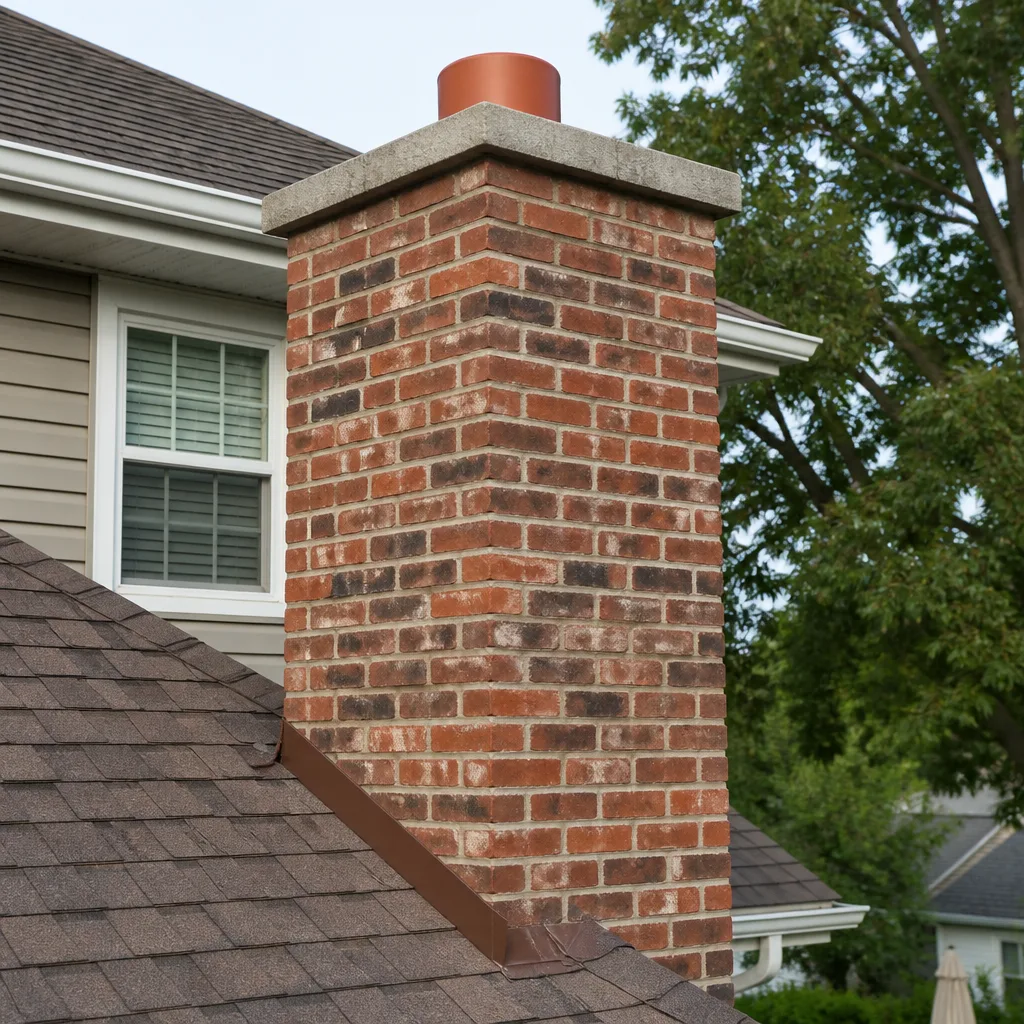 Masonry repair
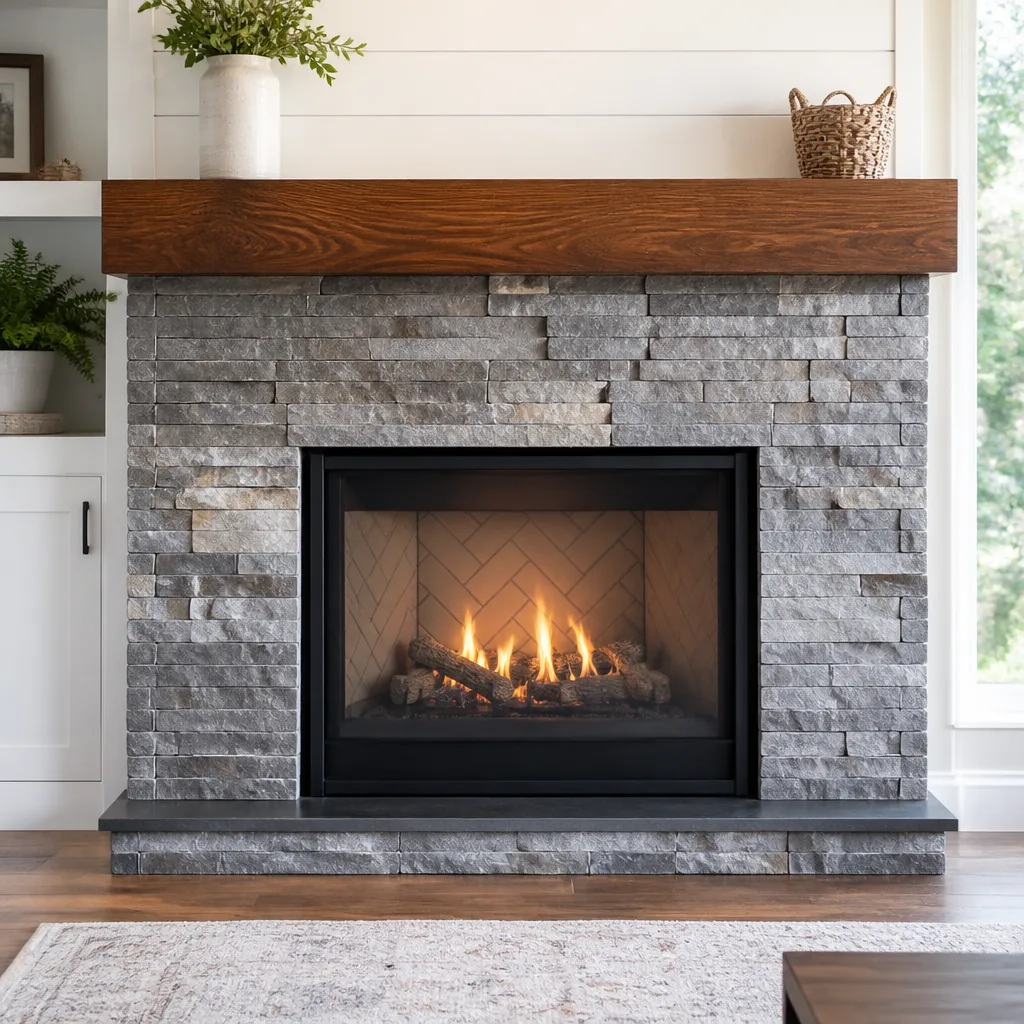 Gas fireplace service
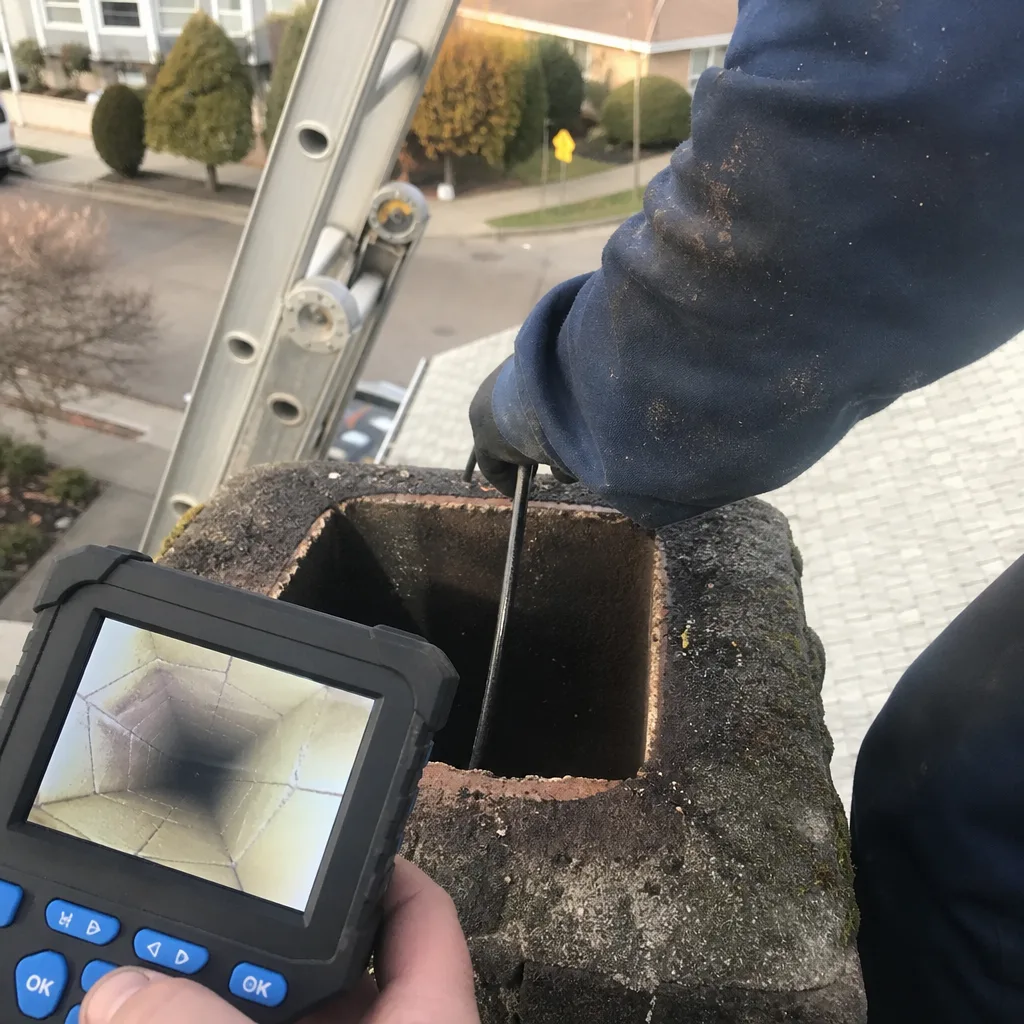
Level 1 sweep and inspection to the NFPA 211 annual standard - flue, crown, cap, and flashing checked and photographed
Chimney sweep logs do not sweep chimneys. They loosen some creosote - which then falls where a brush and vacuum still have to collect it.
Chimney Sweep Maintenance Checklist for San Francisco Homeowners
The most common reason San Francisco homeowners miss early chimney damage isn’t neglect. It’s that nearly every maintenance checklist they find is either too vague to act on (“inspect your chimney annually”) or written to make them feel like they can’t responsibly do anything themselves. That’s a problem, because San Francisco’s fog, rain, and salt air punish masonry faster than almost any climate in California, and by the time damage shows up inside the living room, it’s usually structural. This guide draws a clear line between what you can verify with your own eyes and what genuinely requires a trained technician with a camera, like our Chimney Sweep services provide. You’ll get a month-by-month visual checklist, a seasonal roofline inspection routine built around San Francisco’s actual weather patterns, and a printable sign-off log that protects you during a home sale.
Quick Answer
A responsible chimney maintenance routine for a San Francisco homeowner means checking the firebox and damper visually every month during burning season, inspecting the chimney crown and cap from the roofline or with binoculars twice a year (once after the rainy season ends in March or April, once before it begins in October), and booking a professional Chimney Inspection in San Francisco with a camera scope at least once every 12 months. What you’re looking for yourself is limited to visible surface conditions: efflorescence, rust staining, spalling mortar, cracked caps, and missing rain caps. What you cannot verify without a camera is the condition of the flue liner, hidden creosote buildup, and the smoke shelf inside the throat of the chimney.
Styles & brands we work with
Table of Contents
- What You Can Check Yourself vs. What Needs a Camera
- The Monthly Visual Checklist (Firebox, Damper, Hearth)
- The Seasonal Roofline Checklist for San Francisco’s Rainy Season
- Three Early Warning Signs That Save You Thousands
- How Often Should a Chimney Be Swept in San Francisco?
- What a 365-Day Workmanship Guarantee Actually Covers
- The Printable Sign-Off Log (And Why It Matters for Resale)
- Common Mistakes to Avoid
- When to Call a Professional
- Frequently Asked Questions
- The Bottom Line
What You Can Check Yourself vs. What Needs a Camera
Every chimney maintenance conversation should start with an honest division of labor. Here’s the line we draw at Alcott Chimney San Francisco, and it’s the same line we’ve used since Ruben Castellano founded the company in 2002: if you can see it from the ground or from a safely accessible roofline with your own eyes and a flashlight, it’s fair game for a homeowner checklist. If it requires a camera inserted into the flue, it’s a professional inspection. That’s not gatekeeping. The interior of a chimney flue is dark, narrow, and lined with surfaces that can hide cracks, gaps, and creosote glaze in ways that are simply invisible from either end.
Here’s the practical division:
- You can check: the firebox floor and walls, the damper plate and frame, the visible chimney crown and cap from the roofline, the exterior brick or stone veneer, the hearth, and the area around the fireplace for water staining on interior walls or ceilings.
- You cannot check without professional equipment: the flue liner (clay tile or stainless steel) along its full length, the smoke shelf, the mortar joints between flue tiles, the condition of the chimney crown’s underside, and any creosote buildup beyond the first visible foot of the flue.
- The handoff point: when your visual check finds any of the three early warning signs we detail below, or when you haven’t had a camera inspection in 12 months, you call a Chimney Sweep in San Francisco. That’s not dependency. That’s a homeowner knowing exactly where their own scope of reliable information ends.
The Monthly Visual Checklist (Firebox, Damper, Hearth)
During burning season in San Francisco, which typically runs from November through March, you should spend five minutes at the fireplace once a month. This is a flashlight check, not a tool check. You’re looking for changes since the last time you looked, which is why the sign-off log at the bottom of this guide matters. If you don’t write it down, you won’t remember what “before” looked like.
- Open the damper fully and shine a flashlight up. You’re looking for any flakes or chunks of material that have fallen onto the smoke shelf or damper plate since the last fire. In our experience across San Francisco’s older housing stock, from the 1920s Spanish Revivals in the Richmond to the 1950s boxes in the Sunset, deteriorated mortar joints are the most common source of this debris.
- Check the damper plate itself. Look for rust staining, warping, or a damper that no longer opens and closes smoothly. The damp, salt-heavy air that rolls in off the Pacific accelerates rust on cast-iron dampers faster than inland homeowners would believe.
- Inspect the firebox walls and floor. Look for cracks in the firebrick, gaps in the mortar joints, or white powdery deposits on the brick surface. That white powder is efflorescence, and in San Francisco it’s usually your first sign of water intrusion through the crown or cap.
- Look at the hearth and the floor around it. Cracked hearth tiles, water staining on the floorboards, or a musty smell that gets stronger on rainy days are all signs that moisture is getting into the chimney system somewhere.
- Note what you burned and how much smoke you saw. A smoky fireplace isn’t always a mechanical problem. Sometimes it’s wet wood, sometimes it’s a cold flue, sometimes it’s negative air pressure in a tightly sealed San Francisco apartment. But if the smoke problem happens repeatedly with dry wood and a warm flue, write it down and mention it when you book your next inspection.
The Seasonal Roofline Checklist for San Francisco’s Rainy Season
San Francisco’s rainy season runs from November through March, but the damage it causes doesn’t always show up until spring. The single most important seasonal habit for a San Francisco homeowner is to check the chimney crown and cap twice a year: once in October, before the rains start, and once in April, after they’ve ended. The October check is preventative. The April check is where you catch what winter did to you.
If you can safely access your roofline, here’s what to look at. If you can’t safely get on the roof, use binoculars from the sidewalk or a neighboring window. We’d rather you get a partial view from the ground than take a fall risk you’re not trained for.
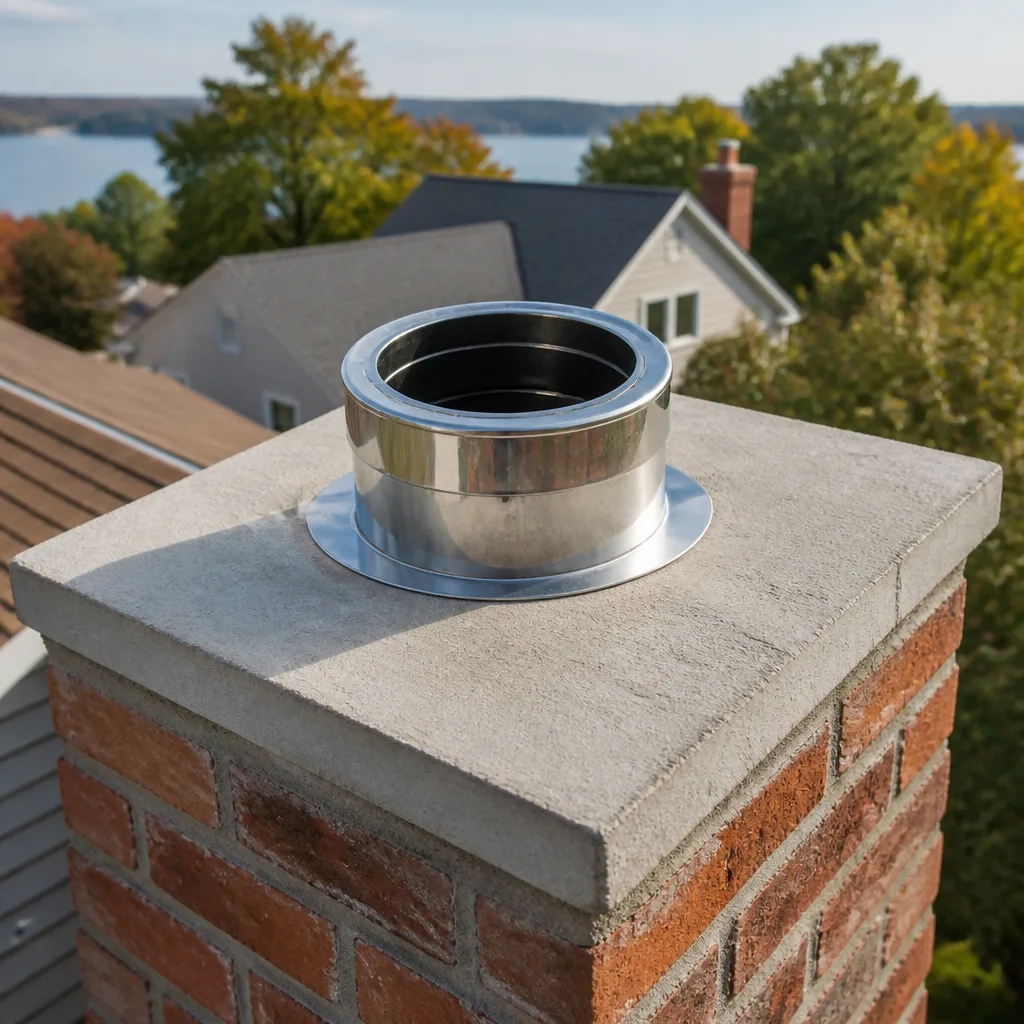
- Check the chimney crown for cracks. The crown is the concrete slab that sits on top of the chimney structure, and it’s your first line of defense against rain. Hairline cracks widen every winter as water gets in, freezes (yes, San Francisco does occasionally dip to freezing at night on the west side), and expands. By April, those hairline cracks are often visible as discolored lines or small channels where water has been running.
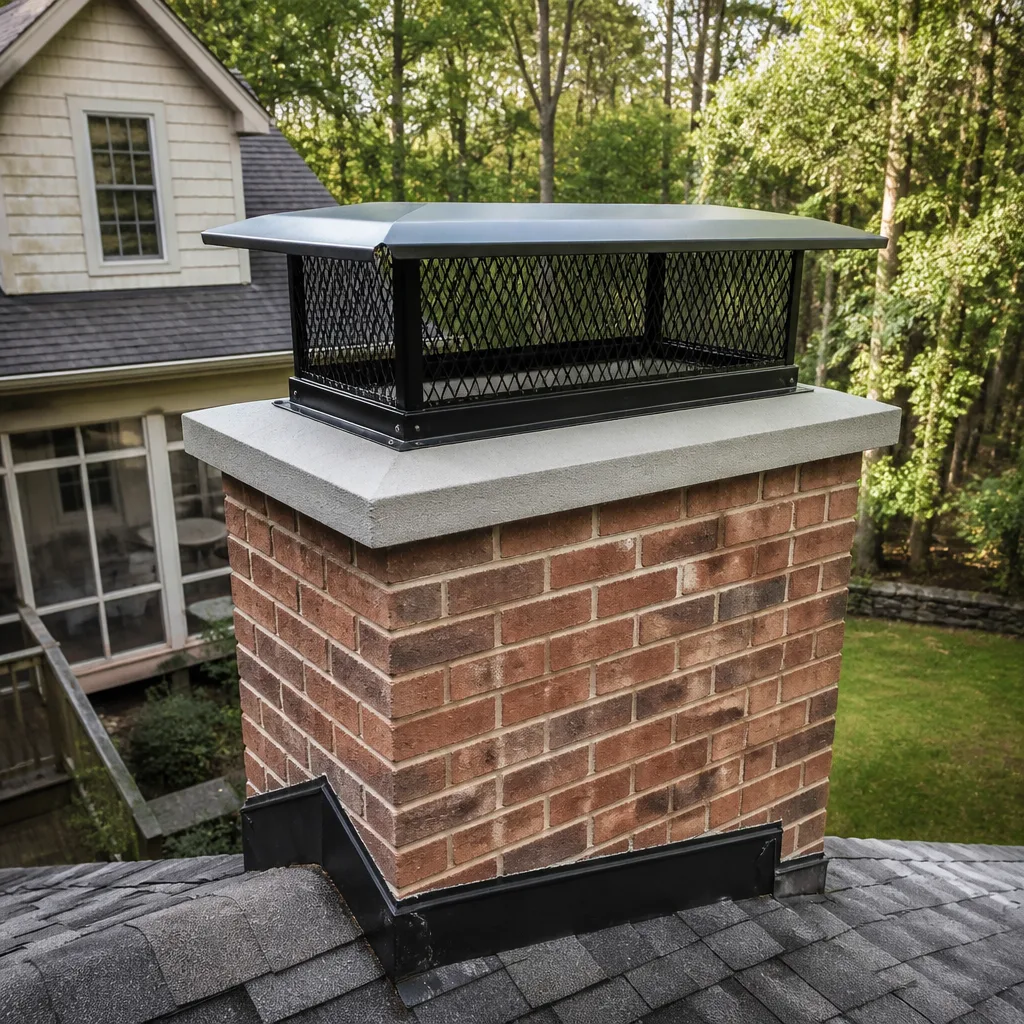
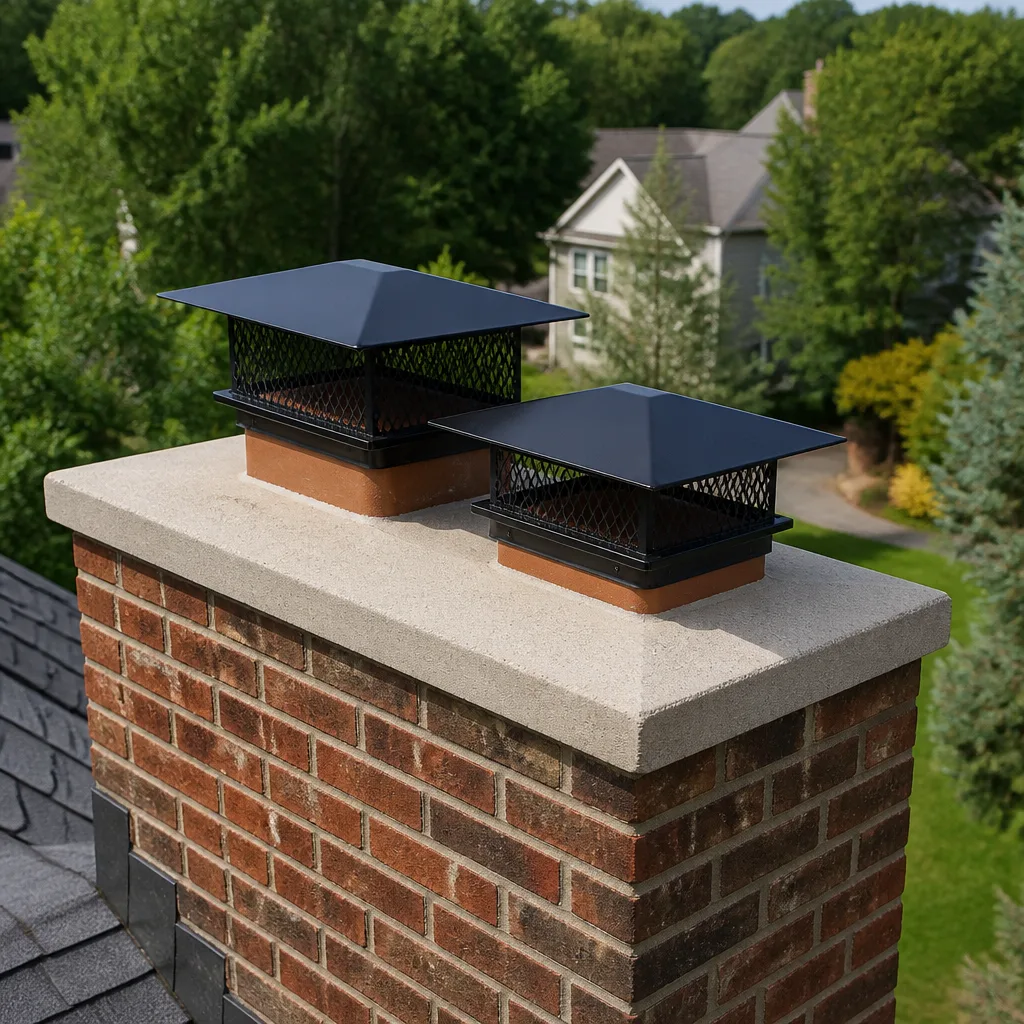
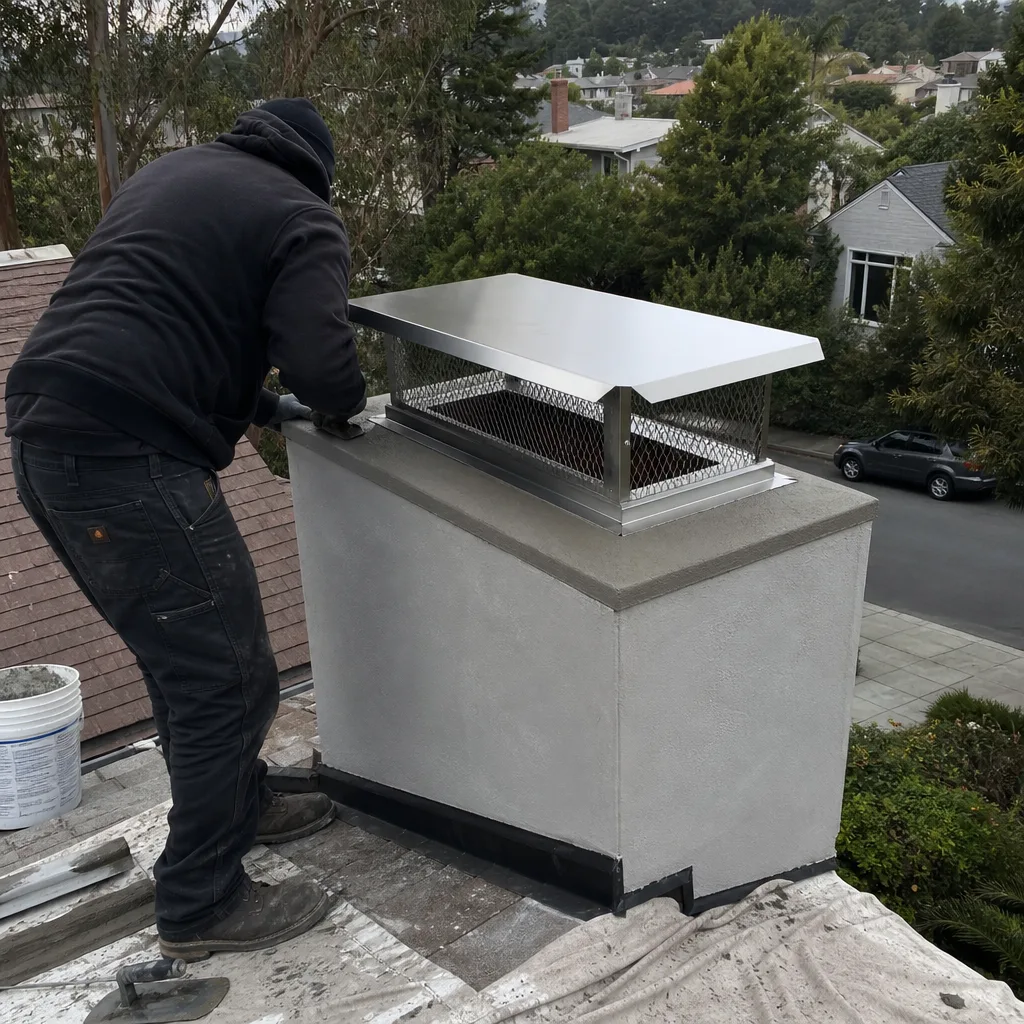
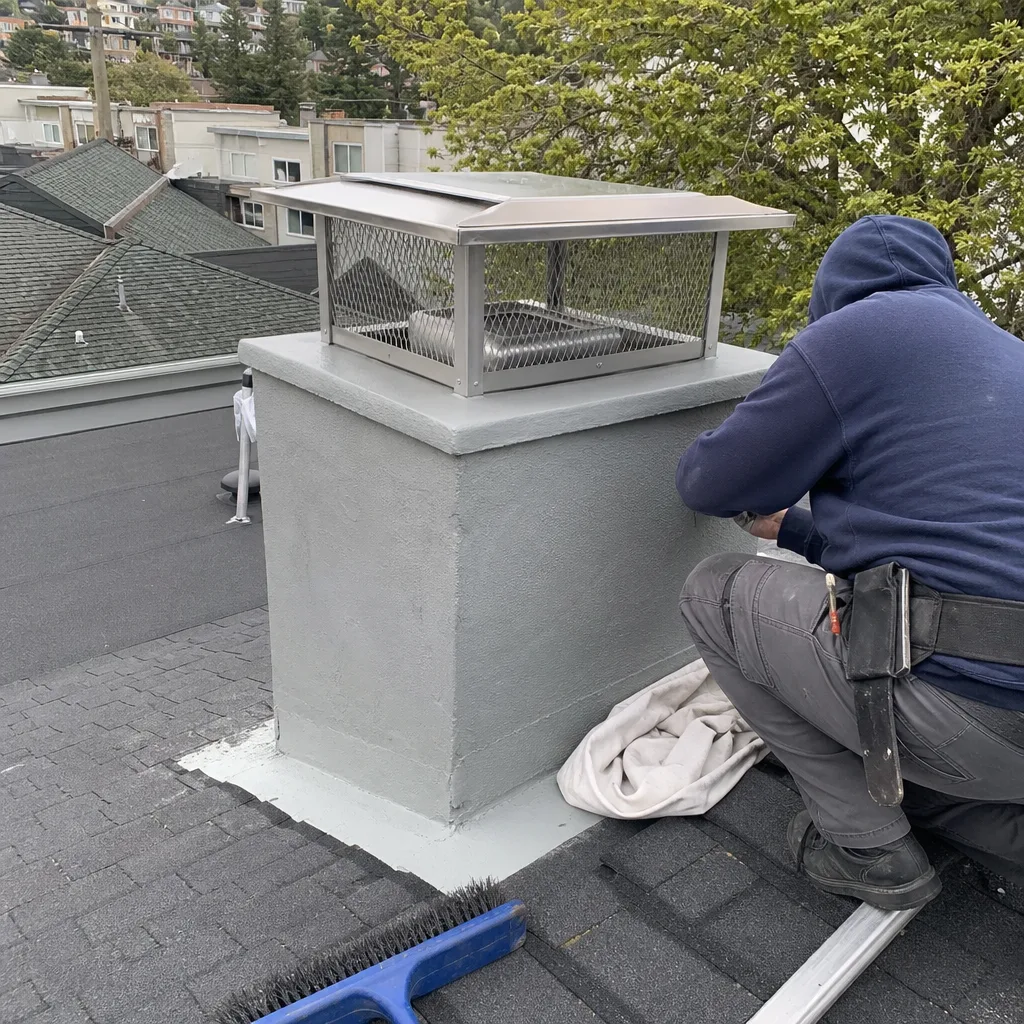
- Check the rain cap or spark arrestor. A missing or damaged cap is the most common entry point for rain, birds, and debris in San Francisco. The wind that comes through the Golden Gate can rip a poorly installed cap off in a single storm.
- Look at the top three or four courses of brick or stone. If the mortar joints look recessed, crumbling, or lighter in color than the rest of the chimney, that’s spalling starting. Spalling mortar at the top of the chimney is the classic San Francisco failure pattern because it’s the area most exposed to wind-driven rain.
- Check the flashing where the chimney meets the roof. Pulled-away flashing, rusted metal, or gaps filled with old, cracked sealant are all entry points for water that travels down the exterior of the flue and into the ceiling below.
- Note any moss, lichen, or plant growth. San Francisco’s fog belt, especially out toward the Avenues, keeps brick and stone damp for weeks at a time. Moss is a moisture indicator. Where moss grows, water has been sitting long enough for something organic to take root.
Three Early Warning Signs That Save You Thousands
Most chimney repairs in San Francisco don’t happen because a flue liner suddenly collapsed. They happen because visible early warnings were ignored for two or three winters, and by the time someone calls us, a $600 crown repair has become a $4,000 to $7,000 masonry rebuild. Here are the three early warnings we tell every homeowner to memorize, and they’re all things you can spot without any special equipment.
1. White Efflorescence on Brick
Efflorescence is a white, powdery, or crystalline deposit that appears on the surface of brick, stone, or concrete. It’s caused by water moving through the masonry, dissolving natural salts inside the material, and carrying them to the surface, where the water evaporates and leaves the salt behind. In San Francisco, where exterior masonry is routinely saturated by fog and rain, efflorescence is common. But it’s also a warning: if water is moving through your chimney bricks, it’s also reaching whatever is behind them, including your flue liner and the framing around your chimney chase. When you see efflorescence on interior firebox brick, it’s an active moisture problem, not a cosmetic one.
2. Rust Staining at the Damper
Cast-iron dampers rust when water runs down the flue and pools at the throat of the chimney. If you see rust staining, streaking, or flaking on your damper plate or its frame, it means water has been entering the flue and reaching the metal parts of your fireplace system. In a San Francisco context, this usually means either a failed crown, a missing or damaged rain cap, or a cracked flue liner that’s letting condensation and rain reach the damper from inside. Rust at the damper rarely shows up alone. By the time it’s visible, the water has typically been entering for at least one full rainy season.
3. Spalling Mortar or Brick
Spalling is what happens when water penetrates the surface of brick or mortar, then expands and contracts with temperature changes. The face of the brick or the surface of the mortar joint begins to flake, crumble, or fall away in pieces. On a San Francisco chimney, spalling usually starts at the top, where the masonry gets the most direct rain and wind exposure, and works its way down. It’s not just an appearance issue. Every bit of lost mortar is lost structural integrity, and every spalled brick is a brick that’s no longer doing its job of protecting the flue inside.
If you find any of these three warnings, the right next step is a camera inspection. Not a patch job, not a sealant from the hardware store. A camera inspection shows you exactly how far the damage extends, and that’s the information you need before anyone asks you to spend real money. At Alcott Chimney San Francisco, we don’t recommend a single repair without camera evidence you can see for yourself, and we’ll show you the footage and explain what it means in plain English.
How Often Should a Chimney Be Swept in San Francisco?
The standard answer from the National Fire Protection Association, detailed in The Complete Guide to Chimney Cleaning in San Francisco, is that chimneys should be swept when creosote buildup reaches 1/8 inch, and inspected at least once per year. For most San Francisco homeowners, that translates to a sweep and inspection once per year if you burn wood regularly, or every one to two years if you only use your fireplace occasionally. But San Francisco has a couple of factors that nudge that schedule toward the more frequent end.
First, the wood most commonly available in San Francisco, often from smaller suppliers in the Bayview or from big-box stores, isn’t always as dry as it should be. Wet or green wood produces more creosote per fire than properly seasoned wood, which means more buildup per burning season. Second, San Francisco gas fireplaces, which are extremely common in the city’s condo stock and in mid-century homes out in the Avenues, develop their own type of buildup: soot and mineral deposits on the logs, burners, and venting that should be cleaned annually by a technician who works on gas systems. Our Gas Fireplace Repair in San Francisco service handles both cleaning and repair for gas systems, and we’re happy to tell you which type of fireplace you actually have if you’re not sure.
A standard chimney sweep in San Francisco typically runs $180 to $340 before any repairs, depending on the height of the roof, the condition of the flue, and whether you have a wood-burning or gas system. What matters more than the number is whether you’re getting an actual sweep plus an inspection, not a quick vacuum of the firebox and a handshake. Any sweep we do at Alcott includes a written price before we start, a full sweep of the flue, and a report on what we found.
See the difference
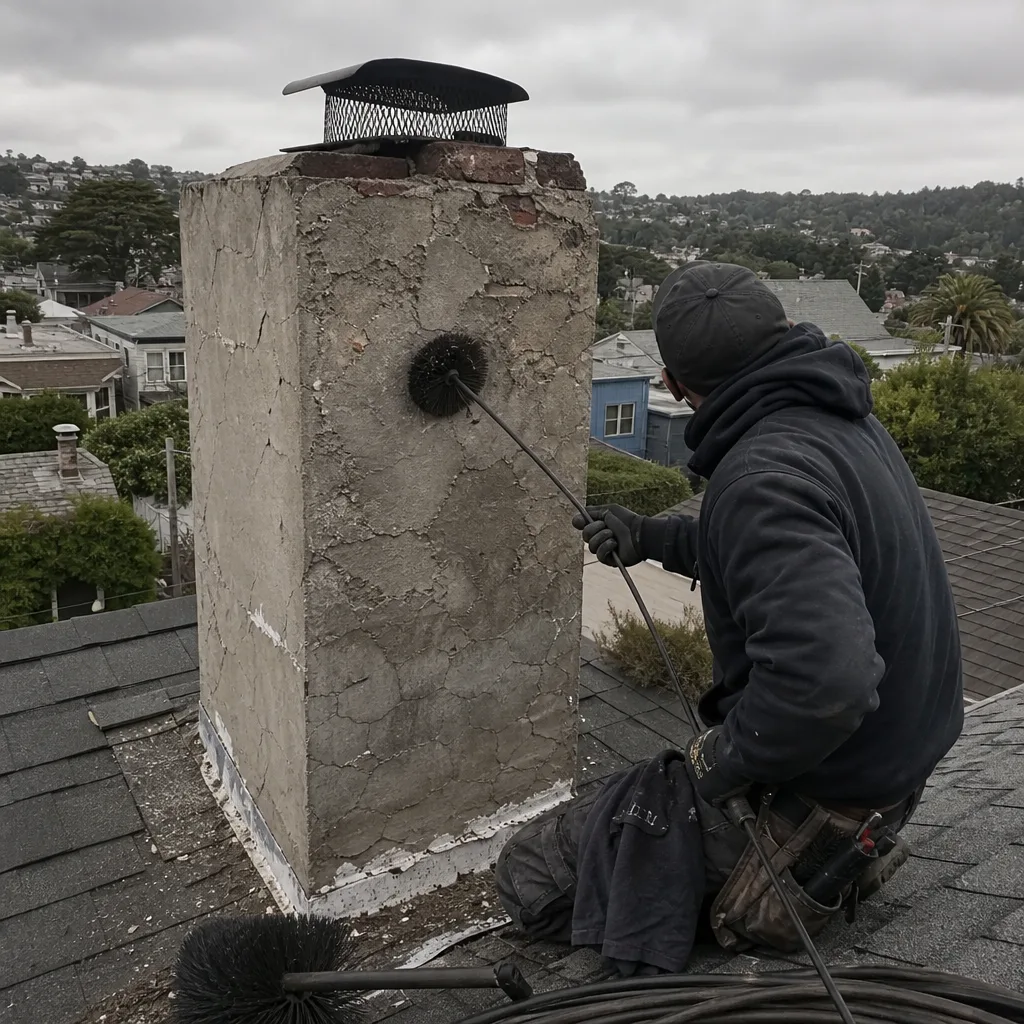 Before
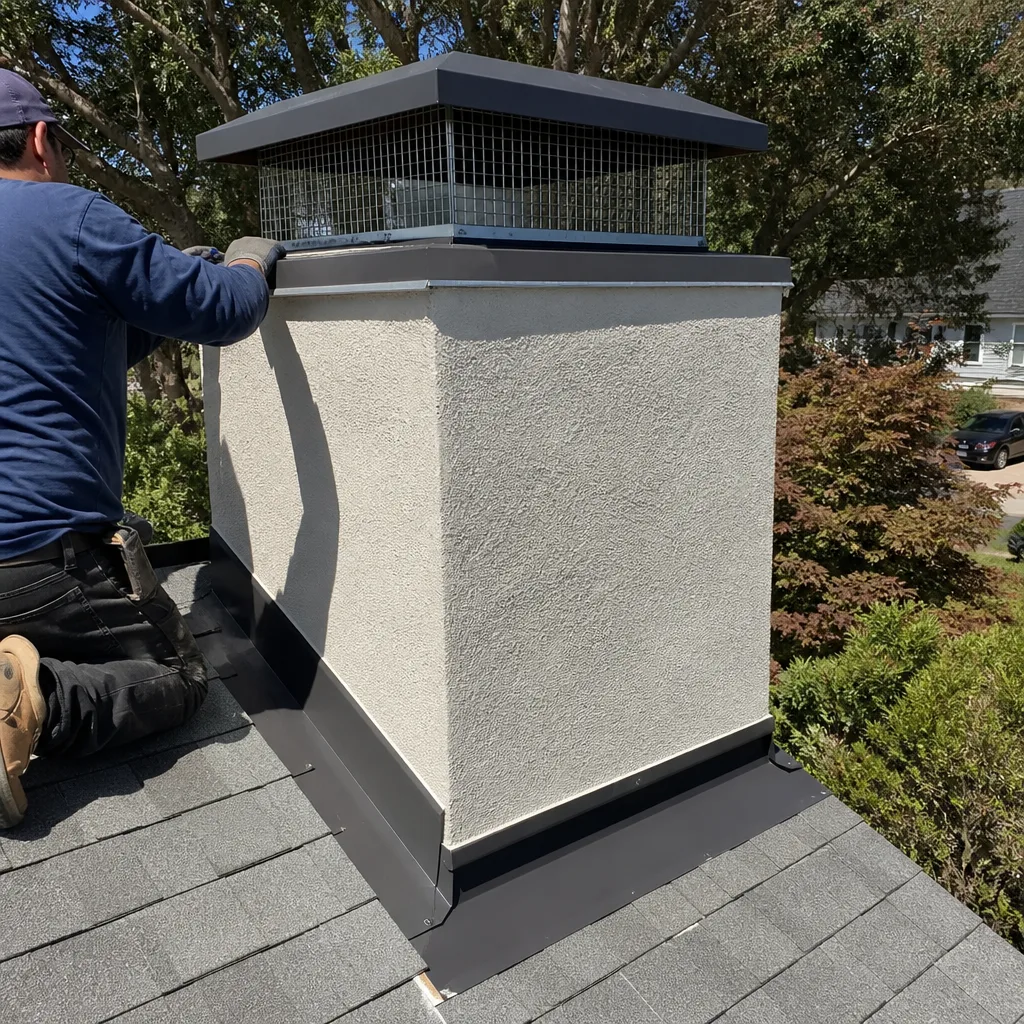 After
After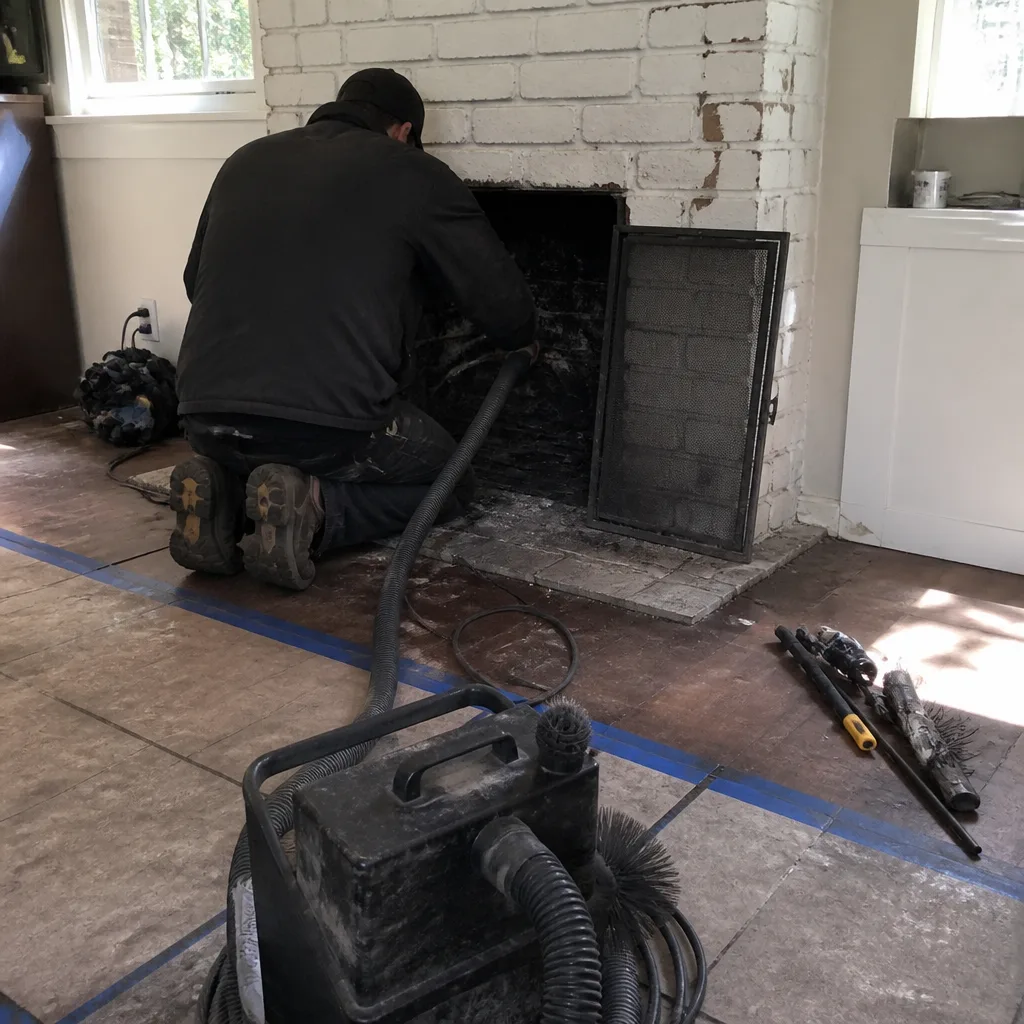 Before
 After
After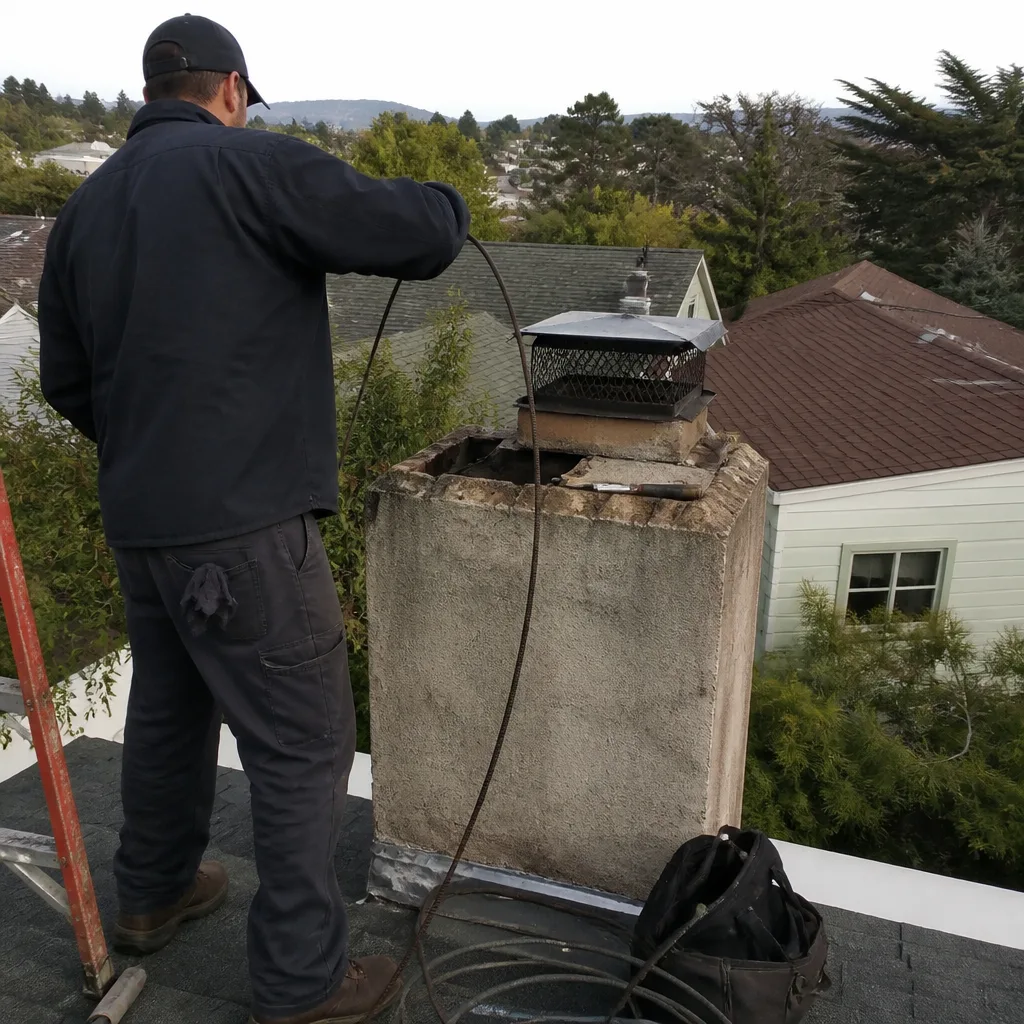 Before
 After
AfterWhat a 365-Day Workmanship Guarantee Actually Covers
Most chimney companies in San Francisco offer some kind of guarantee, but they’re often vague about what it covers, how long it lasts, and what happens if something goes wrong. That ambiguity is exactly what our guarantee is designed to eliminate. Every repair we complete at Alcott Chimney San Francisco comes with a written guarantee, and the terms are simple: if the repair fails within 365 days of completion, we come back and redo it at no charge. No deductions, no prorating, no argument about whether it was “your fault.”
Here’s what that means on a practical level, mapped to the checklist items above:
- Crown repairs and resurfacacing: If we repair or resurface a chimney crown and it cracks again within the first year, the second repair is free.
- Flashing and cap replacements: If a rain cap we installed comes loose or a flashing repair starts leaking within 365 days, the follow-up is on us.
- Liner repairs using HeatShield or a DuraFlex stainless steel liner: If the repair system fails within the year, we’re back to fix it at no charge. These are professional trade materials, not box-store substitutes, and they’re covered by manufacturer warranties as well.
- Damper replacements: If a new damper sticks, warps, or fails within the year, we replace it at no cost.
What a guarantee does not cover is new damage from a new event. If a tree branch falls on your chimney cap six months after we replaced it, that’s a new insurance claim, not a guarantee issue. But if a repair we performed simply doesn’t hold up for a full year, that’s on us. Written into the price. No extra charge, no separate warranty fee.
The Printable Sign-Off Log (And Why It Matters for Resale)
One of the most overlooked chimney maintenance tools is a piece of paper. If you’re a San Francisco homeowner, especially in a competitive market where buyers in neighborhoods like Noe Valley, Glen Park, and Bernal Heights are sensitive about deferred maintenance, documentation is worth real money. A chimney inspection report is one of the documents buyers ask for most often, and a history of your own monthly and seasonal checks makes that report dramatically more useful.
Here’s a simple sign-off log you can keep in a folder or a notes app, with one line per check:
| Date | Check Type | What You Noticed | Follow-Up Needed? |
|---|---|---|---|
| 11/12/2025 | Monthly visual (firebox, damper) | Light rust streaking at damper hinge | Yes – camera inspection |
| 04/03/2025 | Seasonal roofline check | Hairline crack in crown, 3 inches | Yes – quote for repair |
| 10/15/2024 | Pre-rainy-season check | Rain cap secure, no moss | No – clear |
The value of this log shows up in three situations. First, when you’re preparing to sell, it’s evidence that the fireplace wasn’t neglected, which gives the buyer confidence and can head off a repair credit negotiation. Second, when you’re filing an insurance claim after a leak or a chimney fire, a maintenance history helps establish that the damage wasn’t caused by long-term neglect. Third, when you call us and describe what you’ve been seeing, a dated log lets our technician understand the timeline of the problem instead of just its current state.
You’ll know the technician’s name and see their photo before we arrive. Every Alcott technician is background-checked and identity-verified through the Threshold Standard, the protocol we’ve followed since joining the Threshold Group family of home-service companies, and that verification is required, not optional. When Ruben Castellano sends someone to your home in San Francisco, you know who’s coming before the truck pulls into your driveway.
Common Mistakes to Avoid
- Waiting for smoke to tell you something’s wrong. By the time smoke is backing up into your living room in a San Francisco home, the problem is rarely minor. The visual checks in this guide catch issues months before they become smoke problems.
- Using a box-store sealant on a cracked crown. Sealants are temporary patches, and on a San Francisco chimney exposed to winter rain and summer fog, a patch might last a season. A proper crown repair with the right material lasts years.
- Skipping the April post-rain check. The damage from a wet San Francisco winter doesn’t always show up until spring. If you only check in October, you’ll miss what the rains did to your chimney.
- Assuming a gas fireplace never needs maintenance. Gas fireplaces have vents, burners, and logs that accumulate soot and mineral deposits. They should be cleaned and inspected annually, and they have their own failure modes that a wood fireplace doesn’t have.
- Burning wood that hasn’t been properly seasoned. Wet wood produces more creosote per fire, which means more buildup per burning season, which means you’ll need more frequent sweeps. In San Francisco’s damp climate, “seasoned” means wood that’s been dried for at least six to twelve months under cover.
- Hiring a chimney company by phone quote alone. Any chimney company that gives you a firm repair price without ever putting a camera in the flue is guessing. A real quote comes after the technician sees the actual condition of the chimney interior.
- Filing away your inspection report and never looking at it again. The report is only useful if you compare it to your next one. The change between two reports tells you whether you have an active problem or a stable condition.
When to Call a Professional
Call a professional when you see any of the three early warning signs: white efflorescence on interior or exterior brick, rust staining at the damper, or spalling mortar or brick anywhere on the chimney structure. Call when you smell musty or smoky odors coming from the fireplace when it hasn’t been used in days. Call when you notice water staining on the ceiling or walls near the chimney. Call when your fireplace smokes repeatedly with dry wood and an open damper. And call once a year for a camera inspection even if everything looks fine, because the things that go wrong inside a flue are invisible from the outside. Alcott Chimney San Francisco offers free estimates in San Francisco. Call (831) 534-3789 and a live person answers, day or night.
Frequently Asked Questions
A standard chimney sweep in San Francisco typically runs between $180 and $340, depending on roof height, flue condition, and whether you have a wood-burning or gas system. The price you’re quoted should be in writing before any work begins, and it should include the sweep itself plus a basic inspection. If a company gives you a sweep price over the phone without ever asking about your chimney’s height or condition, treat that number as a starting point, not a final price. Call (831) 534-3789 for an exact quote from Alcott Chimney San Francisco, estimates are free.
You should never accept a liner recommendation without seeing camera evidence that shows why the current liner is failing. A cracked clay tile liner, visible on a camera feed as gaps, offsets, or missing sections, is a legitimate reason for a new liner. A glossy buildup of creosote is not, that’s a sweeping issue. We show every customer the footage before recommending a liner replacement, and if the liner can be safely resurfaced with HeatShield rather than replaced with a DuraFlex stainless steel system, we’ll tell you that too. The honest answer is sometimes “this can wait.” Get a second opinion if anyone tells you otherwise without showing you the video.
Once per year if you burn wood regularly during the burning season, which in San Francisco runs roughly November through March. Once every one to two years if you use your fireplace only occasionally. Gas fireplaces should also be cleaned and inspected annually, because soot and mineral deposits build up on burners, logs, and venting even without wood smoke. San Francisco’s damp climate means the wood you buy is sometimes wetter than ideal, which produces more creosote per fire, so err toward the more frequent end of the schedule.
Creosote accumulates in the flue, and if it reaches 1/8 inch thick, it becomes a fire hazard. Water intrusion through a cracked crown or missing cap goes unnoticed and begins deteriorating the flue liner and the masonry structure. The damper rusts. The mortar spalls. What starts as a $300 sweep and a $600 crown repair becomes a $4,000 to $7,000 masonry rebuild, and in the worst cases, a chimney fire or a carbon monoxide problem from a blocked flue. The cost of the annual inspection is the cheapest part of owning a fireplace. Call (831) 534-3789 to schedule one.
You can, but here’s what you can’t do with a brush: see the condition of the flue liner, identify cracks or gaps in the mortar joints, check the smoke shelf, or confirm that the creosote is actually being removed rather than just redistributed. A brush from a hardware store also won’t remove the hard, glazed creosote that builds up in San Francisco fireplaces that have burned wet wood, which requires professional tools and sometimes chemical treatment. The sweep is only half the value. The inspection is the other half, and that part requires a camera and a trained eye, as we explain in DIY vs Professional Chimney Cleaning: The San Francisco Homeowner’s Decision Guide.
Every Alcott Chimney San Francisco customer gets the technician’s name and photo before the appointment, and the technician is required to show a photo ID badge at the door. It’s part of the Threshold Standard: every technician is background-checked, identity-verified, and uniformed before they ever step on a customer’s property. For a homeowner who’s often home alone, or a parent with young children, or an older homeowner who wants to know exactly who’s coming, that preview matters. You’re not opening the door to a stranger. You’re opening it to someone you’ve already seen and whose name you already know.
The Bottom Line
A chimney maintenance routine for San Francisco homeowners doesn’t need to be complicated, and it doesn’t need to make you dependent on a professional for every observation. Check the firebox and damper monthly during burning season. Check the crown and cap from the roofline or with binoculars in October and April, around San Francisco’s rainy season. Memorize the three early warnings: efflorescence, rust staining, and spalling. Book a camera inspection once a year, and keep a written log of everything you find. When the camera shows a problem, get a written price before any work starts and a written guarantee that covers the repair for a full year. Do those things, and you’ll catch most chimney problems in San Francisco while they’re still cheap to fix. Alcott Chimney San Francisco home has been serving the city since 2002, and if you’d like a free estimate, call (831) 534-3789 and a live person will pick up.
Written by Ruben Castellano, Owner at Alcott Chimney San Francisco, serving San Francisco since 2002.