
Last updated October 15, 2026
 Sweep & inspection
 Caps & crowns
 Flue relining
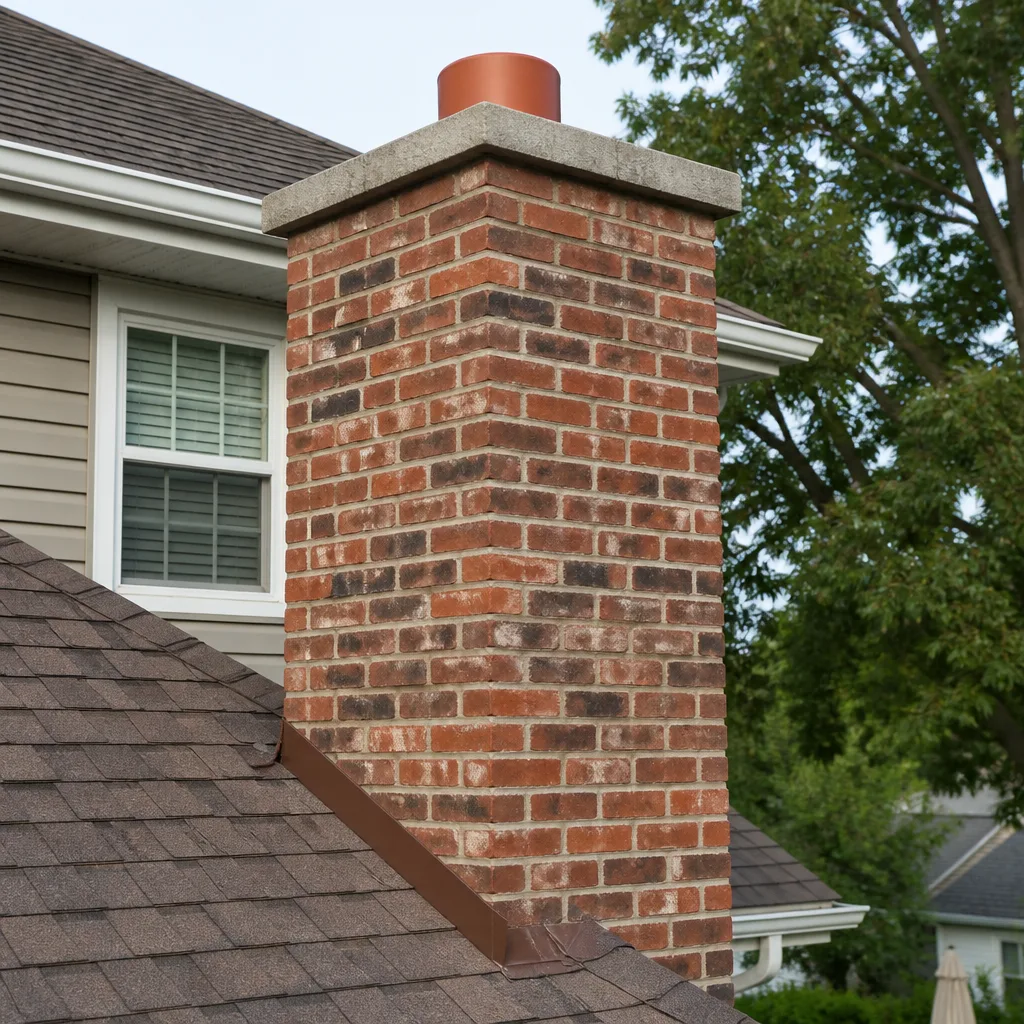 Masonry repair
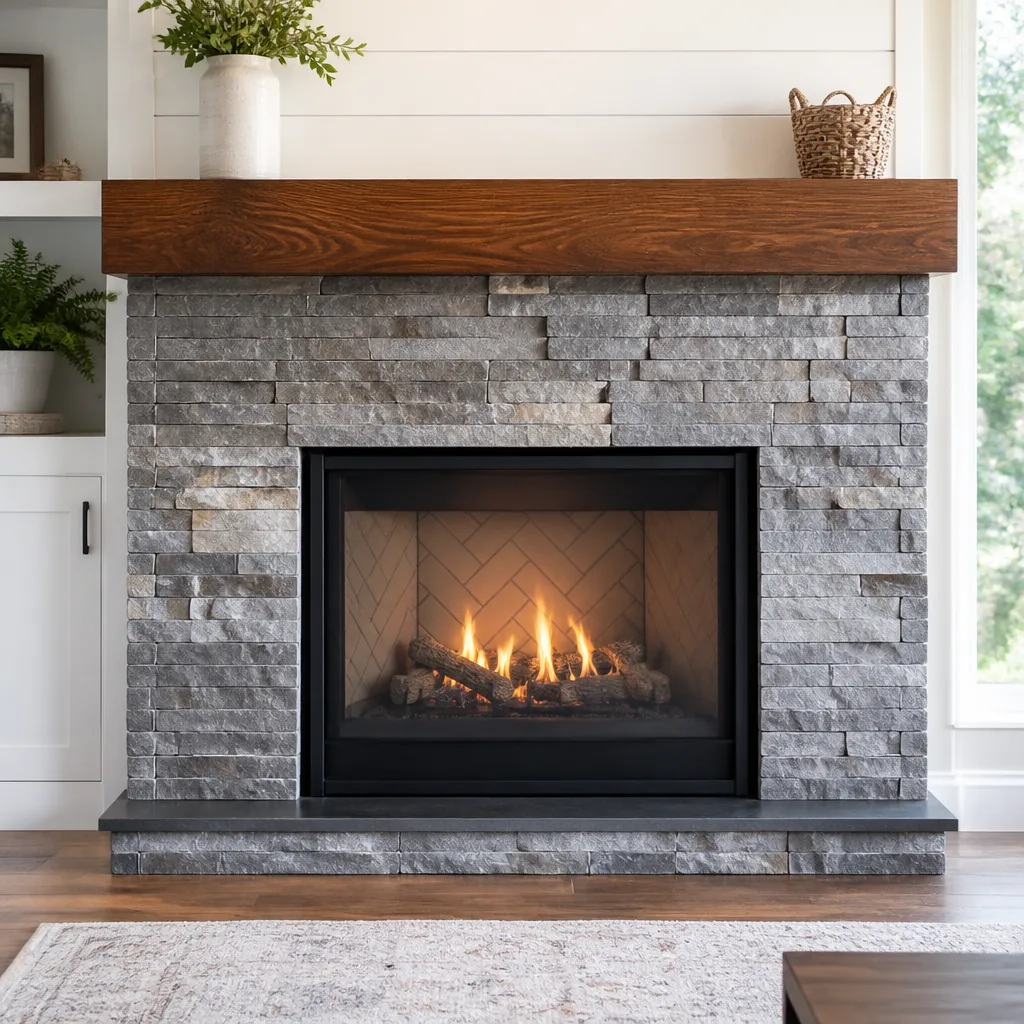 Gas fireplace service
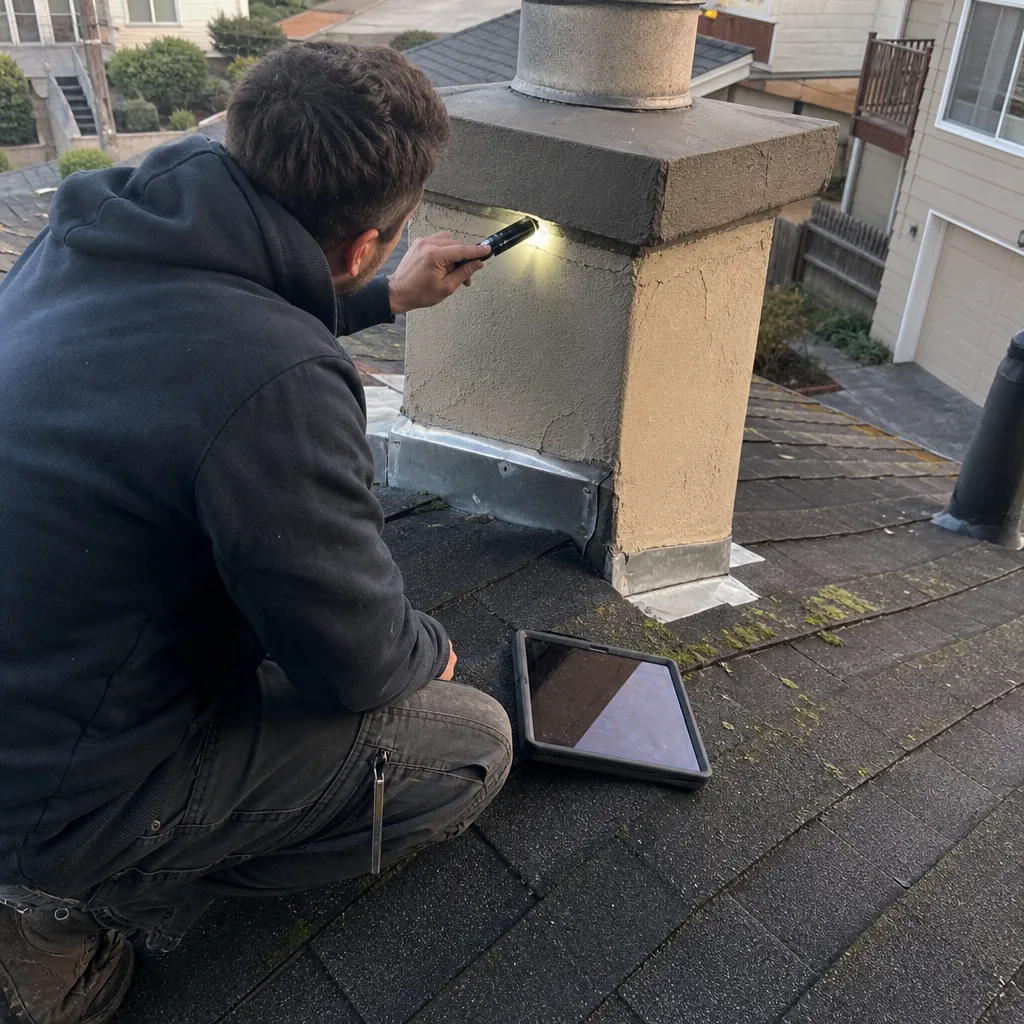
Level 1 sweep and inspection to the NFPA 211 annual standard - flue, crown, cap, and flashing checked and photographed
Chimney sweep logs do not sweep chimneys. They loosen some creosote - which then falls where a brush and vacuum still have to collect it.
The Complete Guide to Chimney Cleaning in San Francisco
Most national chimney guides were written for cold-climate wood-burners who light fires 80-plus nights a year. San Francisco homeowners who light theirs 15 times a season are often over-sold services they don’t need and under-warned about the moisture damage they actually face. This guide explains why Bay Area fireplaces behave differently, what that means for cleaning frequency, inspection level, and real local pricing, and how to read a technician’s report so you can verify findings yourself. You’ll finish with a clear sense of what your chimney actually needs, and what it doesn’t. For more guides & resources, visit our blog.
Quick Answer
Chimney cleaning in San Francisco typically costs $150 to $250 for a standard sweep, with a camera inspection adding $75 to $150 when it’s not already included. Because of the city’s fog-heavy marine climate, most San Francisco fireplaces need cleaning every 1 to 2 years even with light use, since moisture-driven creosote hardening and liner corrosion happen regardless of how many fires you light. A Level 1 inspection should accompany every cleaning, and you should expect a written report with photo evidence before anyone recommends repairs.
Styles & brands we work with
Table of Contents
- Why San Francisco Chimneys Behave Differently
- What a Chimney Cleaning Actually Involves
- How Much Chimney Cleaning Costs in San Francisco
- How Often Should You Clean Your Chimney in San Francisco?
- Understanding NFPA Inspection Levels (Plain English)
- How to Verify a Technician’s Findings Yourself
- Creosote in the Marine Layer: What Actually Builds Up Here
- Choosing a Chimney Company in San Francisco
Why San Francisco Chimneys Behave Differently
San Francisco’s climate does two things to a chimney that national guides rarely address. First, the marine layer pushes cool, damp air across the city most mornings and evenings from roughly May through August. That fog doesn’t just sit outdoors; it moves through flues. When a chimney cools after a fire, the interior surface drops below dew point quickly, and moisture condenses along the flue walls. In a cold-climate chimney, that moisture freezes and thaws. In San Francisco, it simply persists.
Second, most San Francisco fireplaces burn less than 20 fires per season. That’s enough to create creosote – the tar-like residue from wood smoke – but not enough to bake it dry. The result is a creosote layer that stays tacky and absorbs moisture from the marine air, hardening into a glaze that’s harder to remove than the fluffy soot most guides describe. This is why a fireplace used 15 times a year in the Richmond District can look worse on camera than one used 40 times a year in Truckee.
In our experience, San Francisco homeowners often hear “you barely use it, so you’re fine” from well-meaning neighbors. Moisture damage doesn’t care about your fire count. The flue liner – the protective sleeve that keeps heat and gases inside the chimney – corrodes from exposure to acidic creosote plus damp air, even between burn seasons. That’s the conversation most national guides miss entirely.
What a Chimney Cleaning Actually Involves
A professional chimney cleaning is more than running a brush up the flue. When done properly in San Francisco, a sweep follows a sequence that protects your home and gives you evidence of what was found. Here’s what you should expect.
- Floor and hearth protection. Drop cloths go down before any tool comes out. The technician should lay coverings from the hearth to the door.
- Pre-sweep inspection. The technician looks at the firebox, damper, and accessible flue before cleaning. This is when obvious problems get flagged early.
- Mechanical sweeping. A wire or poly brush sized to your flue scrubs creosote off the walls. The technician works from either the roof or the firebox, depending on the setup.
- Smoke chamber and damper cleaning. Creosote collects in the smoke chamber above the firebox and around the damper. A proper sweep includes these areas.
- Hearth and firebox cleanup. The technician removes debris and seals the area. You shouldn’t find soot on your rug when they leave.
- Post-sweep report. This is the part that matters most. A written report should tell you what was removed, what the flue looks like after cleaning, and whether any issues need attention.
Some San Francisco homes built before 1940 have unlined brick chimneys, which hold creosote differently than modern flue-tile or steel-lined systems. If your home is in Noe Valley, the Mission, or Pacific Heights and dates to that era, the cleaning process may take longer and the technician should explain what your unlined flue means for safety. Chimney sweeping in San Francisco done properly accounts for these older construction details, not just the fire count.
How Much Chimney Cleaning Costs in San Francisco
A standard chimney sweep in San Francisco runs $150 to $250 for a single fireplace with a typical flue. Camera inspection adds $75 to $150 when it isn’t included in the base price. Minor repairs – a new damper plate, a chimney cap replacement, or repointing a few bricks – start around $150 and go up from there depending on materials and access.
- Standard sweep: $150 – $250. Covers the full cleaning sequence: drop cloths, mechanical brushing, smoke chamber, damper, firebox cleanup, and a written report.
- Camera inspection add-on: $75 – $150. A fiber-optic scope examines the full flue interior. This is the only way to see cracked tiles, hidden creosote glaze, or liner corrosion that isn’t visible from the top or bottom.
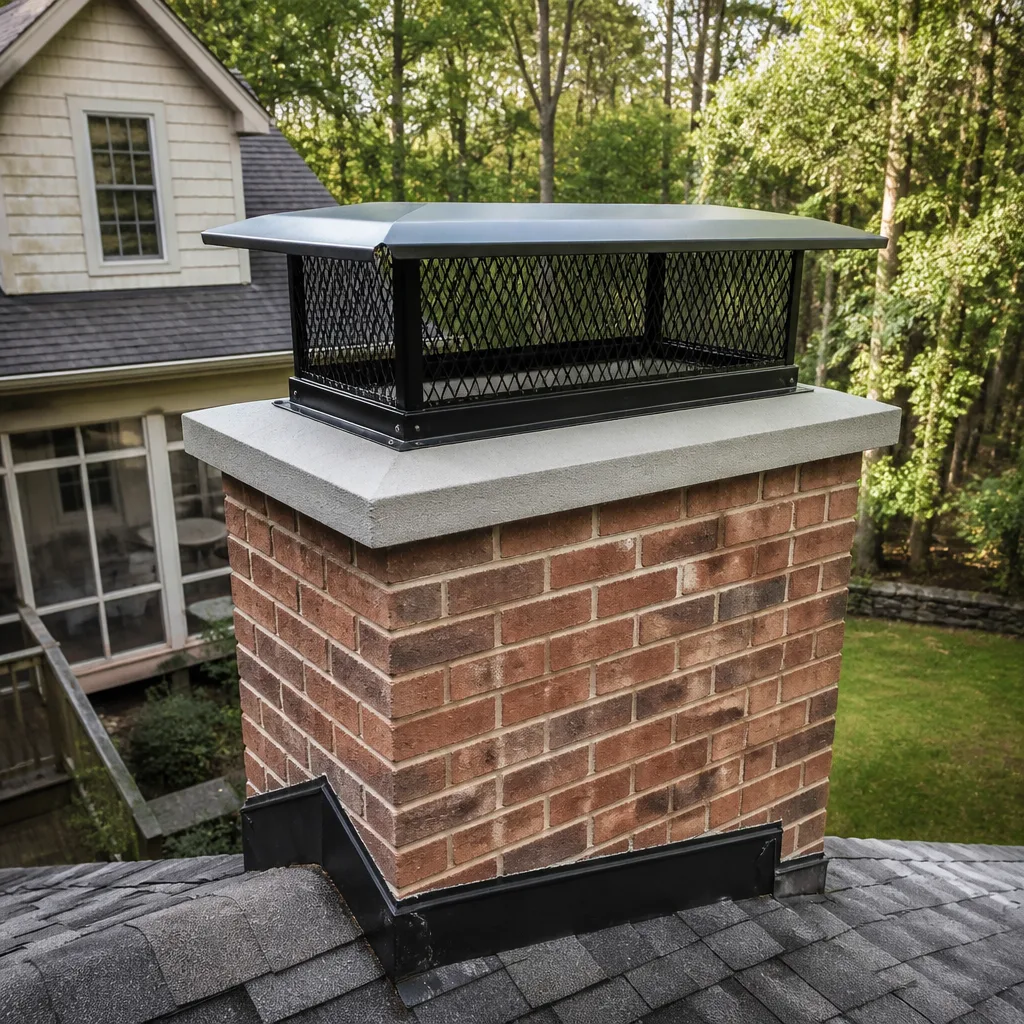
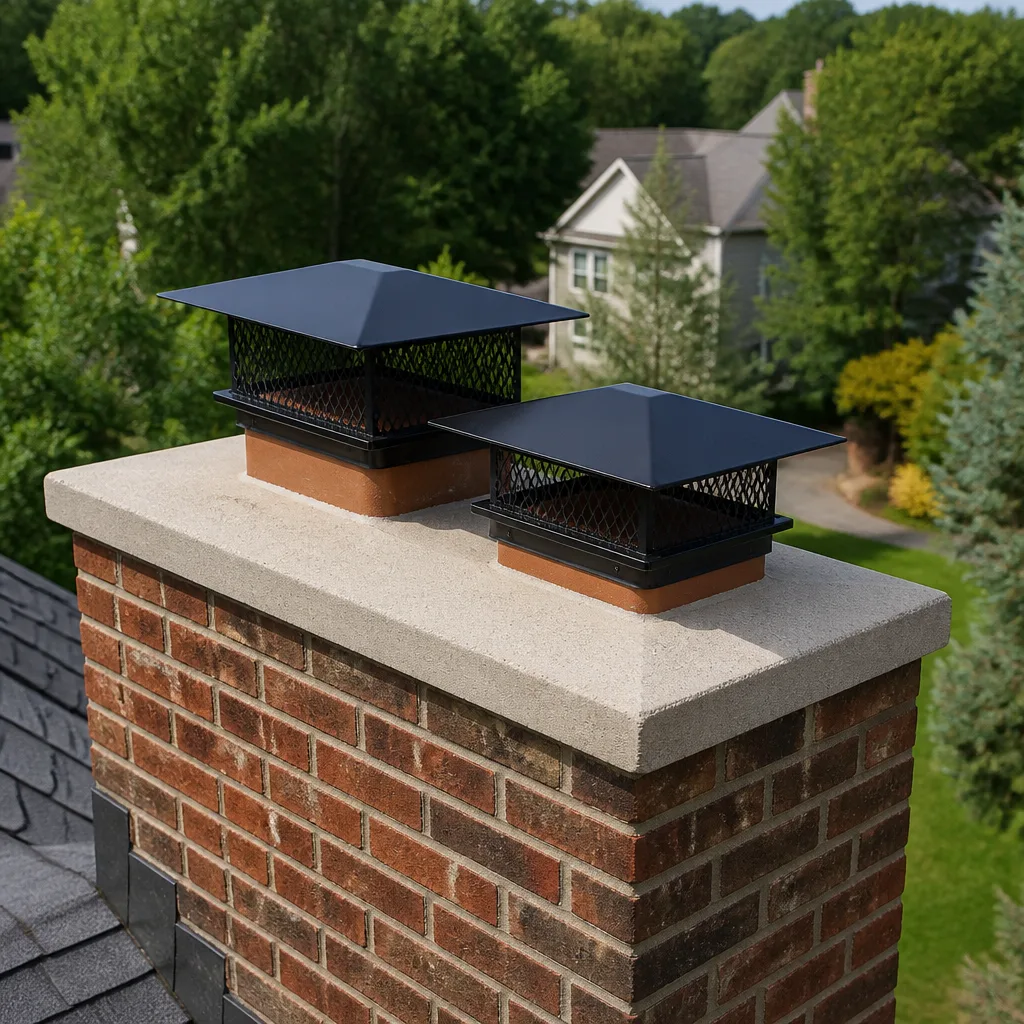
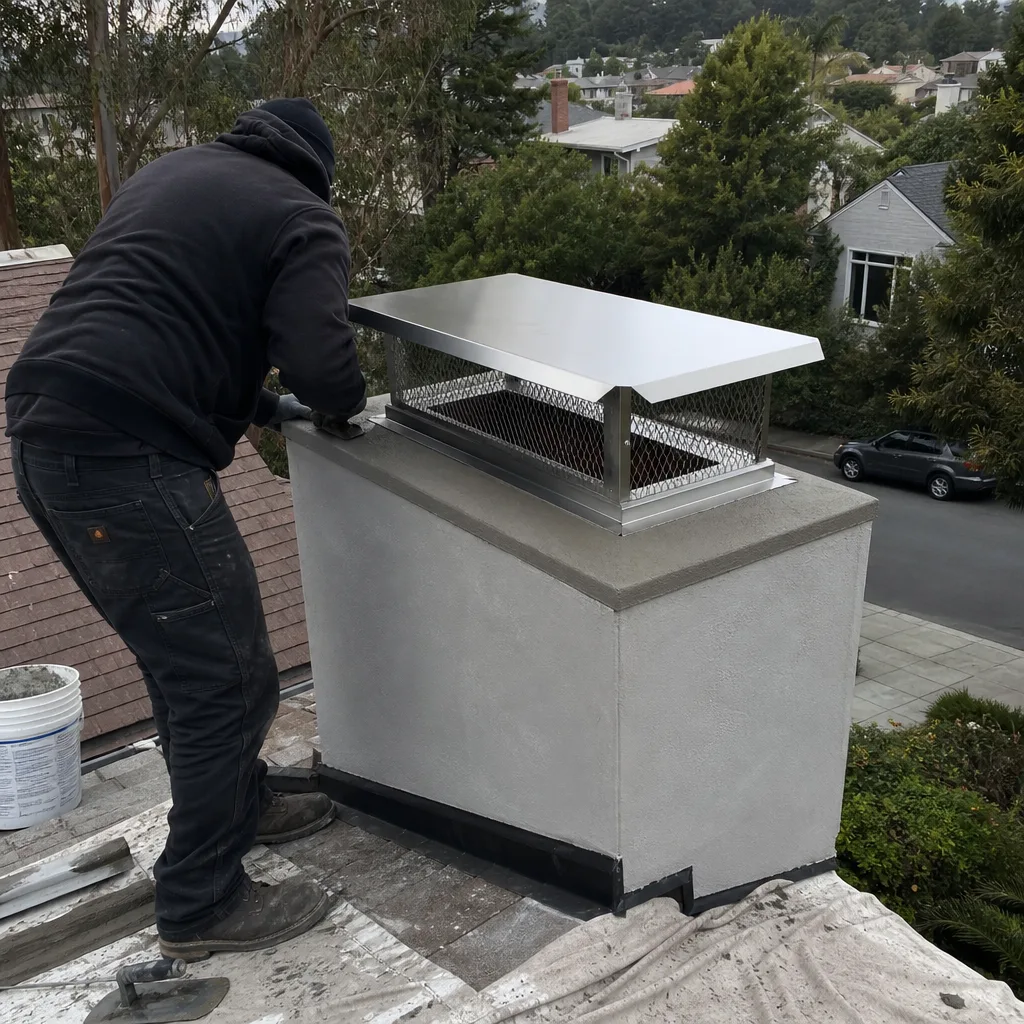
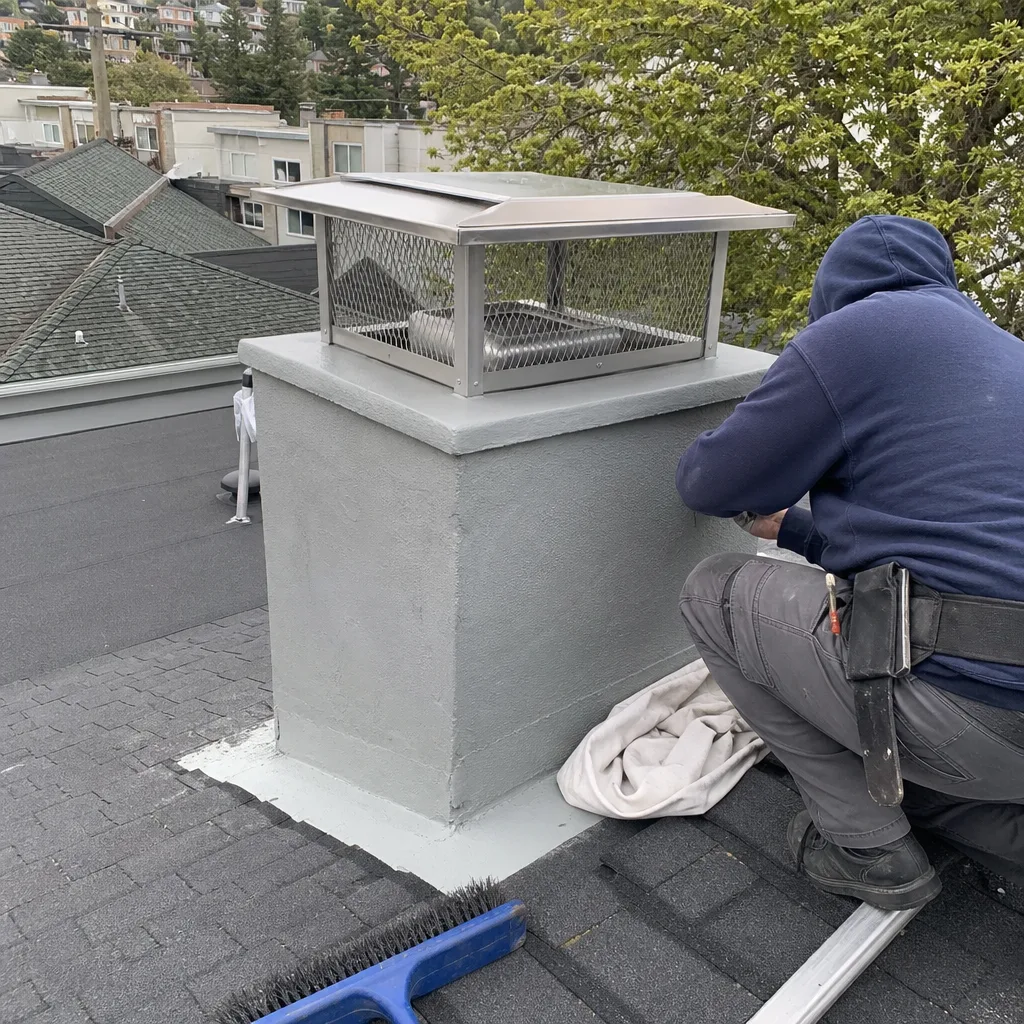
- Chimney cap supply and install: $150 – $400. Caps keep rain, fog, and birds out. In San Francisco’s damp climate, a missing cap is a genuine problem, not a cosmetic one.
- Minor masonry repair: $150 – $600. Repointing loose mortar joints, replacing a cracked firebrick, or sealing small exterior gaps. Access and material costs drive the range.
- Damper repair or replacement: $150 – $500. A damper that doesn’t seal lets marine air pour into the home year-round and makes your fireplace less efficient when you do use it.
These are real market ranges for the Bay Area, not national averages. If a quote lands far outside these numbers, ask what’s included. Some companies bundle camera work and cap inspection into a flat rate; others itemize everything. The key is a written price before work starts – no exceptions, no surprises at the end. Alcott Chimney San Francisco delivers a written estimate before any tool touches your fireplace, and that’s standard practice, not an upsell.
How Often Should You Clean Your Chimney in San Francisco?
Here’s the honest answer for a city where the average fireplace gets lit maybe 15 times a season: clean it every 1 to 2 years, and get a Level 1 chimney inspection every single year, even if you barely use the thing.
The National Fire Protection Association says chimneys should be swept when creosote buildup reaches 1/8 inch, regardless of how long that took to accumulate. In San Francisco, that threshold can arrive after a single season of damp-air fires, or take two years if you burn well-seasoned hardwoods like oak or madrone and keep fires hot. The variable isn’t your fire count; it’s how much moisture your flue has been holding.
Signs you should clean sooner rather than later:
- You smell smoke or a campfire-like odor in the room, even when the fireplace is cold.
- You notice black, flaky accumulation on the damper or visible from the firebox.
- Fires are harder to start, or smoke rolls back into the room when you open the door.
- You can hear or see pieces of creosote falling into the firebox.
- It’s been more than 24 months since the last cleaning, regardless of use.
For context, a fireplace in the Sunset District that’s exposed to daily fog will accumulate internal moisture at a higher rate than one in a wind-sheltered Noe Valley courtyard. That doesn’t mean you need more frequent cleanings, but it does mean your annual inspection matters more. The inspection catches moisture-related damage early, before it becomes a liner replacement. Chimney inspection in San Francisco is where moisture problems get found while they’re still cheap to fix.
Understanding NFPA Inspection Levels (Plain English)
NFPA 211 defines three levels of chimney inspection. Most San Francisco homeowners only ever need Level 1, but knowing what each level means helps you understand why a technician recommends what they recommend.
- Level 1 inspection. A visual check of the readily accessible parts of the chimney – firebox, damper, flue interior from the top or bottom, exterior masonry. This is the right inspection when nothing has changed: same fireplace, same fuel, same usage pattern. It should accompany every cleaning.
- Level 2 inspection. Everything in Level 1, plus a camera scan of the full flue interior, and an examination of the attic, crawl space, and roof areas near the chimney. NFPA 211 requires a Level 2 when you sell the home, after a chimney fire, after an earthquake or other structural event, or when the system changes (new liner, new appliance, fuel conversion).
- Level 3 inspection. Involves removing part of the chimney structure – a section of the flue wall or masonry – to access hidden areas. This happens only when a Level 2 finds something that requires invasive diagnosis. A Level 3 is rare in residential work and should always come with a clear written explanation of why it’s needed.
In San Francisco specifically, a Level 2 inspection is the one the city’s permit office will expect after a property sale or major renovation. If you’re buying a home in the Richmond or Sunset, a Level 2 camera scan should be part of your due diligence. It’s not a scare tactic; it’s the industry standard triggered whenever ownership changes.
How to Verify a Technician’s Findings Yourself
The single most important skill in chimney maintenance is learning to read a technician’s written report. A reputable company in San Francisco will hand you a report that includes photo evidence, a description of what was found, and a recommendation with a dollar figure. Here’s how to evaluate it.
- Ask for photos, not just a summary. Any company using a camera inspection should be able to show you the images. If the technician says “cracked liner” but can’t produce a photo, you’re entitled to push back.
- Look for measurements. A real report says “creosote measured at 1/4 inch in the upper flue,” not just “needs cleaning.” Numbers tell you the technician actually looked, measured, and documented.
- Compare the recommendation to the findings. If the report notes minor creosote but recommends a $3,000 liner replacement, ask what specifically in the camera footage justifies that jump. The photo should show you the problem.
- Check the technician’s credentials. In our shop, every technician is background-checked and identity-verified through the Threshold Standard, and you’ll know their name and see their photo before we arrive. That’s not a legal requirement in San Francisco; it’s a choice we made because opening your door to a stranger is a real concern.
- Ask how technicians are screened. In San Francisco, there’s no city requirement for chimney companies to background-check their crews. A company that does this voluntarily – and tells you about it – is making a different commitment than one that doesn’t. At Alcott, every technician passes a background check and identity verification before ever stepping on a customer’s property. This is the Threshold Standard, not an optional upgrade.
- Ask for a written price before work begins. Not a verbal estimate. Not a range. A written number. We deliver a written price before any work starts, always included, never negotiable. If a company won’t put it in writing, that’s a signal.
- Ask what the guarantee covers and for how long. “Satisfaction guaranteed” means nothing. “Written guarantee on every repair, and if the repair fails within the coverage period, the second visit is free” means something. That’s the 365-Day Done Right Promise in plain terms: a full year of accountability on every completed job.
- Ask which materials they use. Professional trade brands like Olympia Chimney, Famco, Copperfield, and DuraFlex are specified by chimney professionals for a reason. They’re tested, rated for the application, and documented. Box-store substitutes don’t have the same traceability. If you need a liner or repair, the brand matters.
For example, we’ve seen reports from other companies in San Francisco that list “glazed creosote” on a fireplace that was swept six months earlier and barely used. When customers ask for the footage, sometimes there’s no glaze at all – just surface discoloration that’s normal after years of use. A good report makes the evidence easy to verify. If it doesn’t, that’s your answer.
Creosote in the Marine Layer: What Actually Builds Up Here
Creosote forms in three stages, and San Francisco’s climate pushes fireplaces toward the stages that are harder to remove. Understanding the difference helps you understand what a technician is seeing.
Stage 1 creosote is a light, flaky soot that brushes away easily. In dry climates, most fireplaces stay in this stage for years. Stage 2 creosote is a thicker, crustier layer that looks like dark granular buildup. It requires more aggressive brushing and sometimes chemical treatment. Stage 3 creosote is the glazed, tar-like deposit that forms when Stage 2 absorbs moisture and hardens. This is the stuff that causes chimney fires, and it resists standard wire brushing.
Here’s the San Francisco angle: the marine layer’s moisture pushes creosote from Stage 2 to Stage 3 faster than typical usage rates would suggest. A fireplace that has burned 20 fires over two seasons in the Outer Sunset can reach Stage 3 while a fireplace with identical usage in Walnut Creek stays at Stage 1. Not because of different wood, but because the flue never fully dries.
This is also why unlined or poorly lined chimneys in older San Francisco homes are a bigger deal than the same chimney would be in the Central Valley. The creosote bonds directly to brick and mortar, and marine moisture carries it deeper into the masonry. The result is a chimney that both burns and erodes faster.
For gas fireplaces, the creosote issue largely disappears, but moisture doesn’t. Gas logs produce water vapor rather than creosote, but that vapor condenses in the same damp, cool flue environment. If you have a gas fireplace in San Francisco, your annual inspection should focus on venting, condensation, and liner condition, not creosote.
Choosing a Chimney Company in San Francisco
You have options in this city, and the difference between companies usually comes down to three things: pricing transparency, technician vetting, and whether the company’s guarantee is written or verbal. Our step-by-step guide to hiring a chimney cleaning contractor in San Francisco covers what to ask before you book.
A homeowner in the Inner Sunset has different concerns than one in Bernal Heights. One wants to know the technician will respect a narrow Victorian-era flue. The other wants to know the crew will show up when they said they would. Both deserve the same baseline: a vetted technician, a written quote, and a written guarantee.
Common Mistakes to Avoid
- Skipping the annual inspection because “we never use the fireplace.” In San Francisco, the marine layer does more damage in an unused flue than a dozen fires would. Moisture doesn’t need a spark to erode a liner.
- Buying a generic “chimney cleaning” from a coupon site. If the price is $49, the scope is almost certainly not a full sweep. You’ll get a brush in the flue and a sales pitch for everything else.
- Ignoring a missing or broken chimney cap. Without a cap, rain and fog pour directly into the flue year-round. In this city, a missing cap isn’t a minor issue, it’s an open invitation for moisture damage.
- Assuming a new-looking fireplace means a safe fireplace. We’ve inspected flues in homes near Dolores Park that looked pristine on the outside and had Stage 3 creosote or cracked tiles inside. The outside tells you almost nothing.
- Taking a repair recommendation without photo evidence. If a technician says you need a new liner, ask to see the camera footage. You’re entitled to verify what they’re seeing.
- Waiting until the smell is constant. By the time creosote odor fills the room on a regular basis, the buildup is well past the point of a simple cleaning.
- Hiring a handyman for chimney work. Chimney systems involve fire, carbon monoxide venting, and structural integrity. This isn’t a caulk-and-paint job.
See the difference
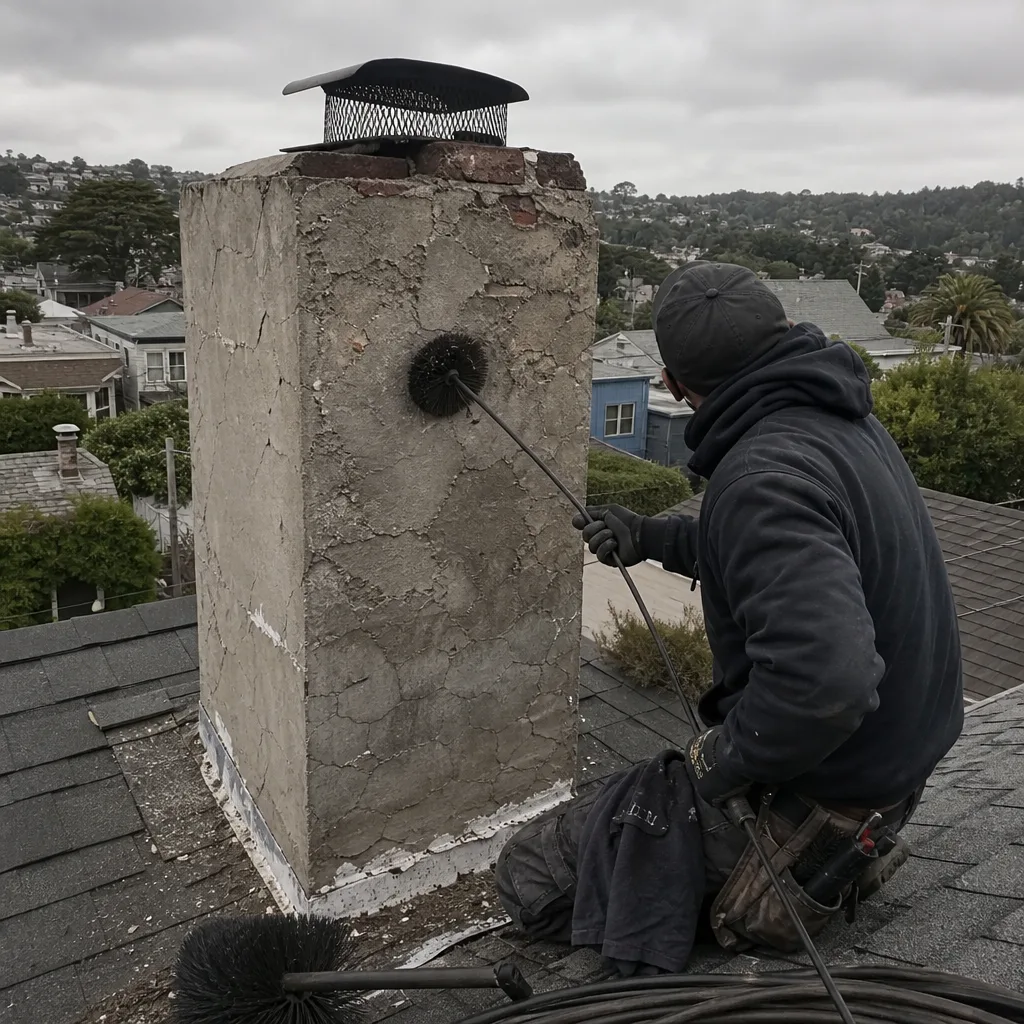 Before
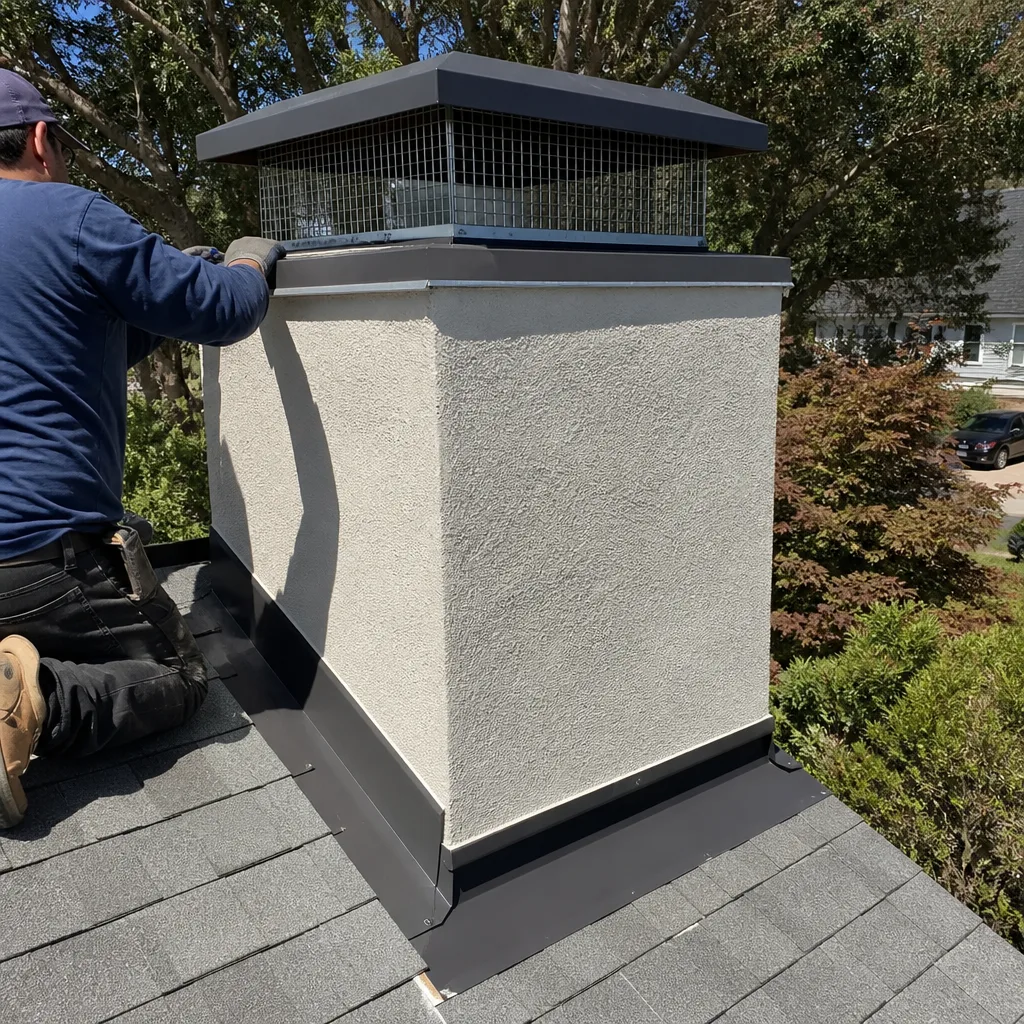 After
After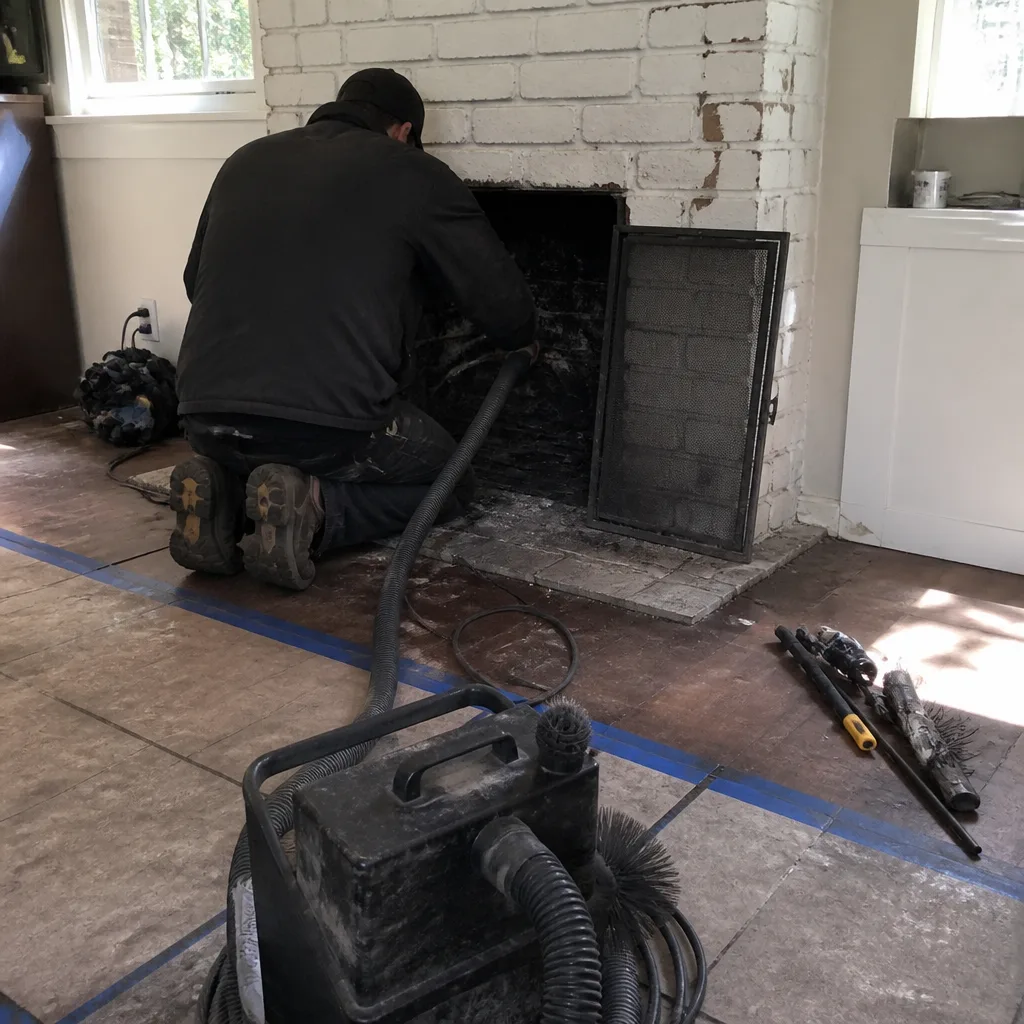 Before
 After
After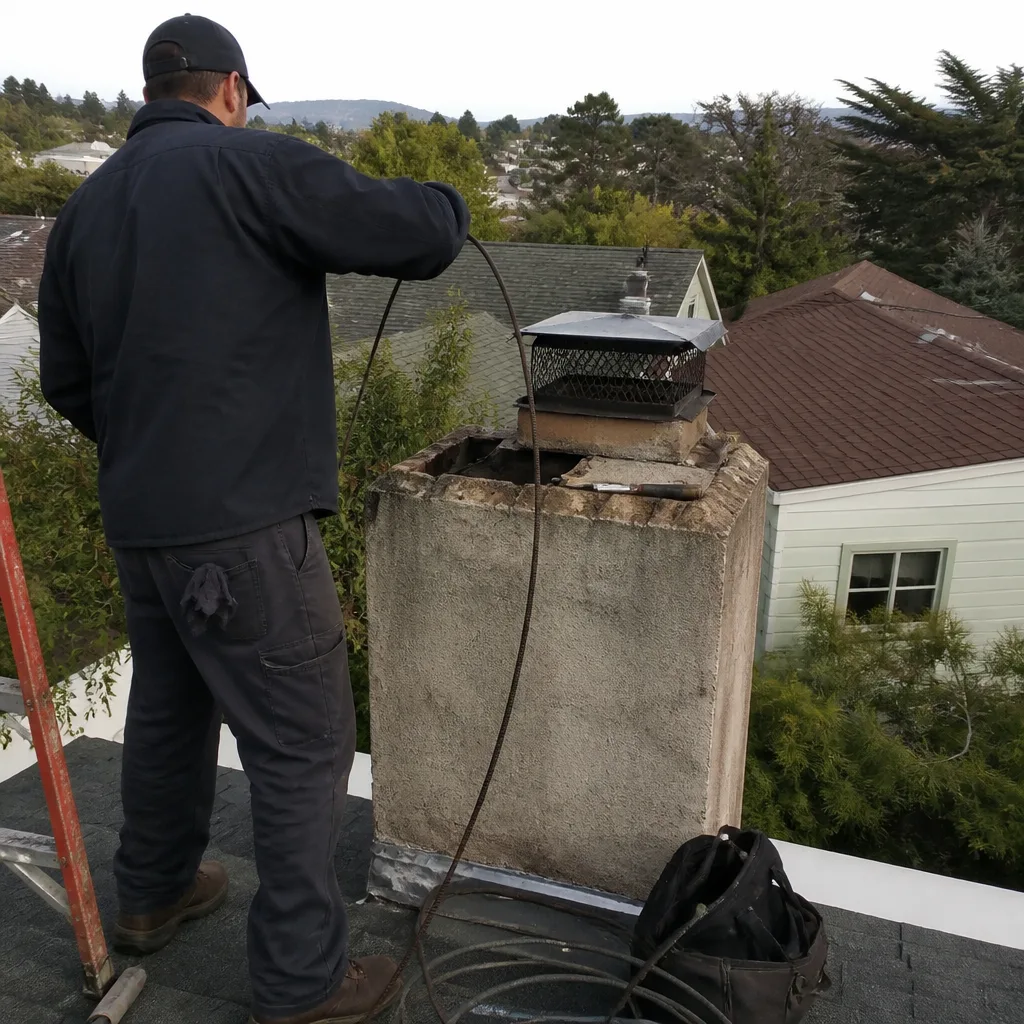 Before
 After
AfterWhen to Call a Professional
You should call a professional chimney service in San Francisco when you notice smoke entering the room, a persistent campfire smell, visible creosote accumulation, or water stains on the ceiling or walls near the chimney. If you’ve just bought a home, plan to renovate, or haven’t had the system inspected in two or more years, book a Level 2 inspection with camera evidence. A professional cleaning includes everything described above and ends with a written report you can actually evaluate. Alcott Chimney San Francisco offers free estimates throughout the city – call (831) 534-3789 to talk through what you’re seeing before you book anything.
Frequently Asked Questions
A standard chimney sweep in San Francisco costs $150 to $250 for a single fireplace. That price covers the full cleaning sequence, including smoke chamber and damper work, plus a written report. Camera inspection adds $75 to $150 when it’s not already included. Call (831) 534-3789 for an exact quote – estimates are free.
Clean your chimney every 1 to 2 years in San Francisco, even if you only light 15 fires a season. The city’s marine layer keeps creosote damp and accelerates buildup, so the national “once a year” advice doesn’t fully apply here. An annual Level 1 inspection should accompany every cleaning cycle.
Not necessarily, and you should never take that recommendation without camera evidence. Moisture damage can corrode a liner over time even with light use, but the determination should come from clear photos showing cracks, gaps, or deterioration. If the footage doesn’t show the problem, the recommendation doesn’t stand.
A sweep removes the creosote and debris that builds up inside the flue. An inspection evaluates the condition of the entire system – firebox, damper, flue lining, exterior masonry, venting. The two are done together in most San Francisco appointments, because sweeping without inspecting leaves you blind to moisture and structural problems.
There’s no city ordinance that mandates a cleaning before a sale, but a Level 2 inspection is the industry standard and the one most real estate professionals in San Francisco expect during escrow. It’s the only way to know whether moisture, earthquake movement, or age has damaged the flue.
You can, but a DIY sweep can’t examine the full flue interior the way a camera inspection can, and it won’t catch liner damage or moisture penetration. In an older San Francisco home with an unlined flue or unusual access, the value of a professional report is hard to overstate. See our DIY vs Professional Chimney Cleaning guide for San Francisco homeowners to weigh the trade-offs, and if you do clean it yourself, still schedule a Level 1 inspection annually.
The Bottom Line
San Francisco’s marine climate writes its own rules for chimney care. Our seasonal chimney cleaning care guide for San Francisco explains why there’s less ash here than in a cold-climate home, but more moisture, more corrosion, and more Stage 3 creosote in flues that only see occasional use. The result is that cleaning frequency matters less than inspection discipline; a camera scan every year tells you more than a brush ever will. Whether you need a standard sweep, a Level 2 inspection, or just an honest conversation about what your chimney actually needs from a professional who arrives announced and verified, the path starts with a call to Alcott Chimney San Francisco at (831) 534-3789. Written pricing, written guarantees, and a report you can verify – that’s the service, every time.
Written by Ruben Castellano, Owner at Alcott Chimney San Francisco, serving San Francisco since 2002.