
Last updated October 15, 2026
 Sweep & inspection
 Caps & crowns
 Flue relining
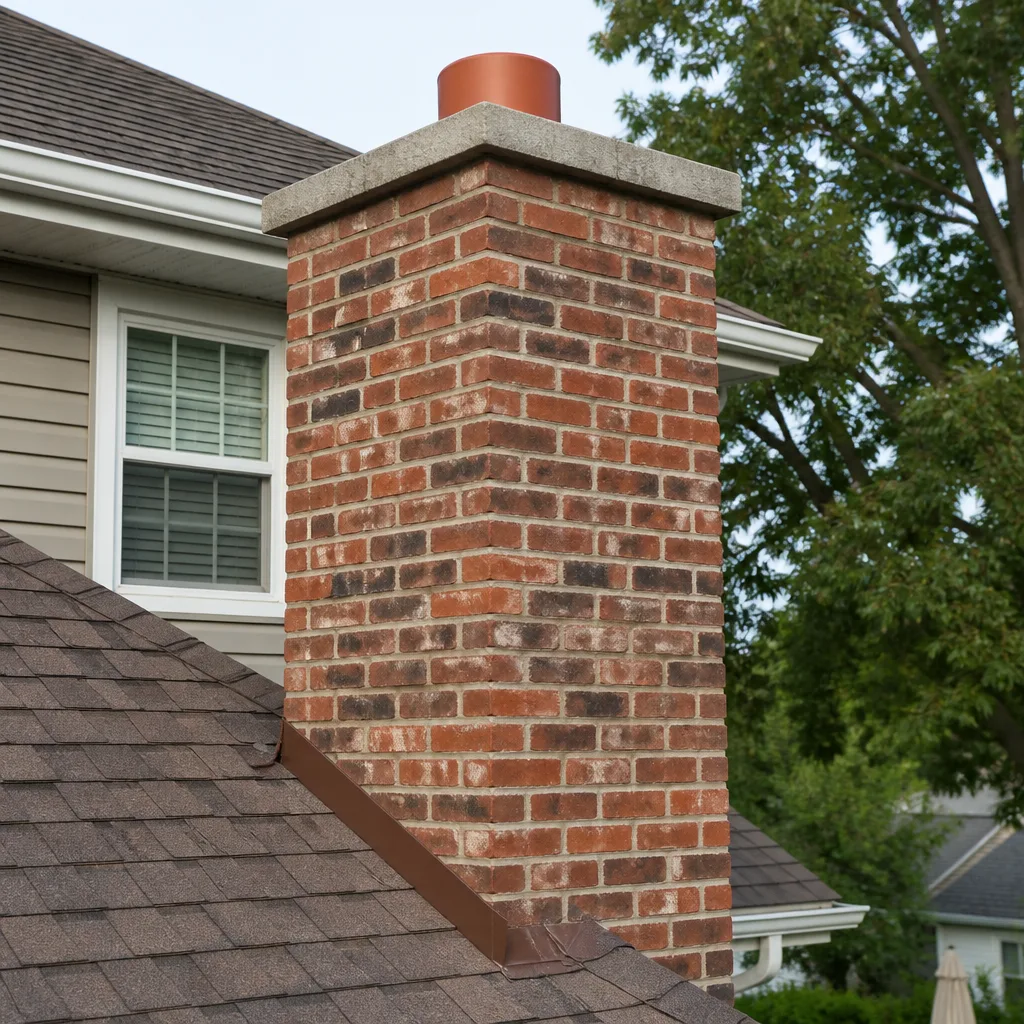 Masonry repair
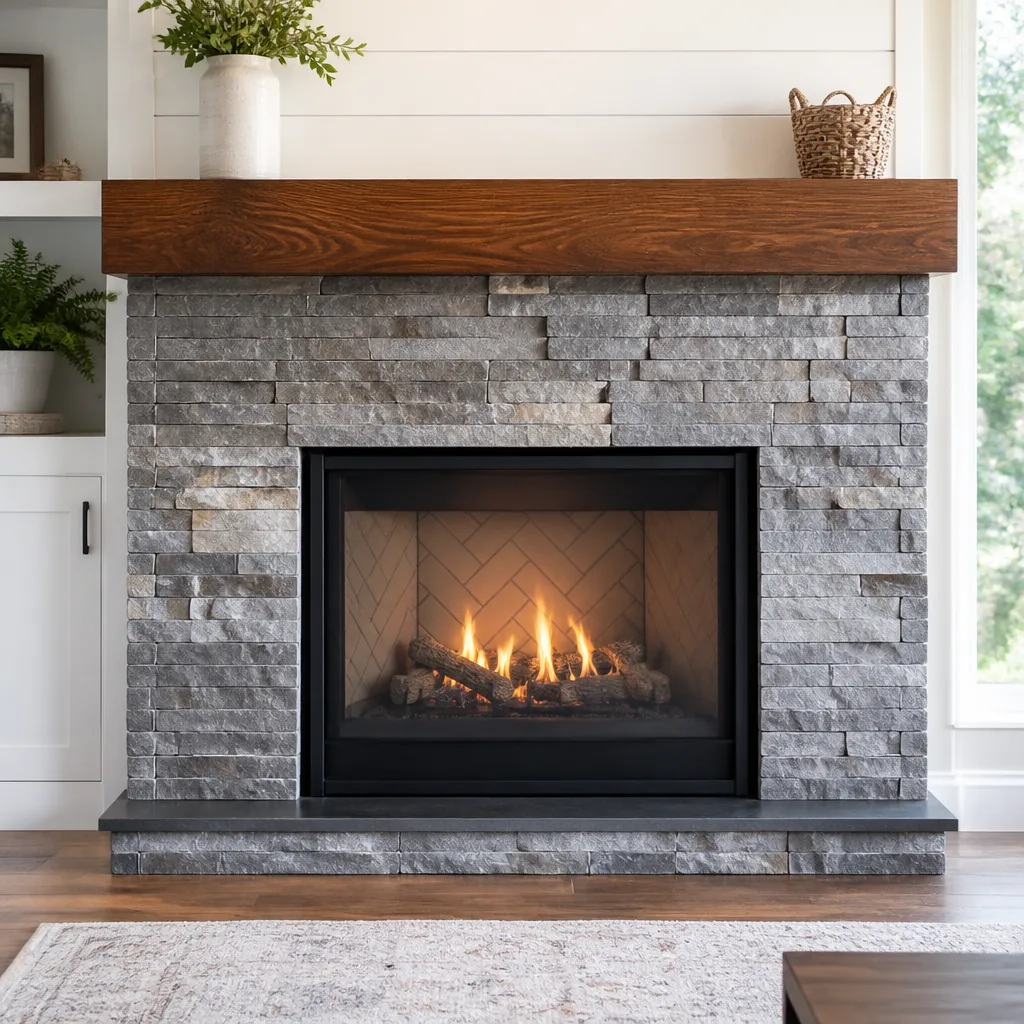 Gas fireplace service
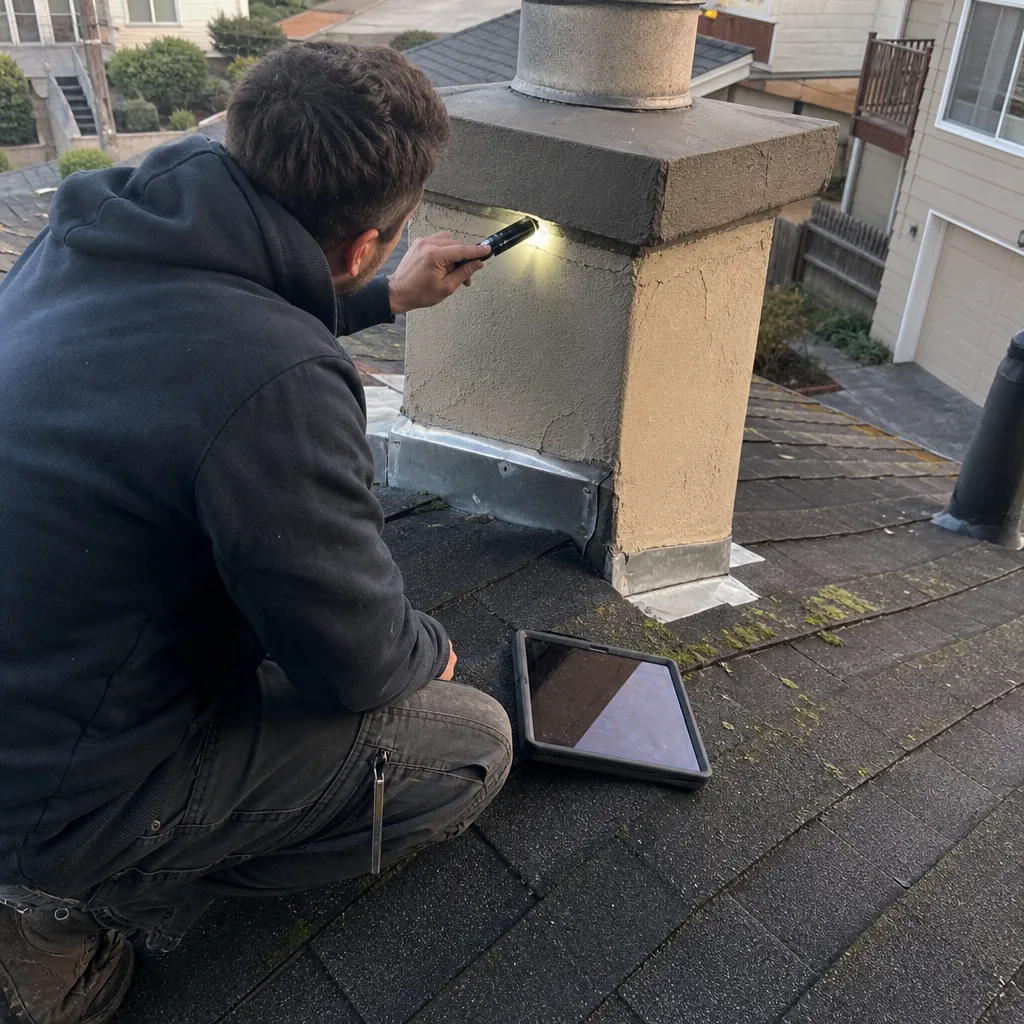
Level 1 sweep and inspection to the NFPA 211 annual standard - flue, crown, cap, and flashing checked and photographed
Chimney sweep logs do not sweep chimneys. They loosen some creosote - which then falls where a brush and vacuum still have to collect it.
How to Hire a Chimney Cleaning Contractor in San Francisco: A Step-by-Step Guide
California has no state licensing requirement specific to chimney sweeps. That means the person quoting your flue cleaning could have started the business last month, and your standard contractor license search through the state won’t tell you anything about their chimney qualifications. This guide is written from inside the San Francisco market by people who have been doing this work since 2002. We’ll give you a repeatable vetting process that exposes the unqualified, the uninsured, and the unprepared before they ever step onto your property.
Quick Answer
Hiring a chimney cleaning contractor in San Francisco comes down to four verifiable checks: confirm CSIA certification (look up the number at csia.org), request a copy of liability insurance with at least $1M per occurrence, insist on a written quote with a scope of work before anyone starts, and ask the company to confirm the technician’s name and photo before the appointment. A legitimate company will pass all four without hesitation. A standard chimney sweep in San Francisco typically runs $189 to $329 before repairs, and any quote significantly below that should be treated as a red flag-see our Chimney Cleaning Cost Breakdown: The San Francisco Homeowner’s Reference for 2026 for details.
Styles & brands we work with
Table of Contents
- Why Verification Matters in San Francisco’s Chimney Market
- The Exact Credentials to Request Before Booking
- The Pre-Arrival Identity Check Most Homeowners Skip
- Red Flags to Look For in a Chimney Cleaning Quote
- Three Questions to Ask About Any Guarantee
- How to Read Google Reviews for Bait-and-Switch Patterns
- What a Legitimate Sweep Should Actually Include
- Common Mistakes to Avoid
- When to Call a Professional
- Frequently Asked Questions
Why Verification Matters in San Francisco’s Chimney Market
San Francisco’s housing stock is older and denser than almost anywhere else in California. A large share of the city’s single-family homes were built between 1900 and 1940, which means a lot of masonry chimneys with original clay tile liners, decades of creosote accumulation, and flues that have never been camera-inspected. The San Francisco Department of Building Inspection doesn’t send inspectors door to door for chimney issues. Nobody checks a flue unless a buyer, a seller, or an insurance carrier asks for it. That makes the homeowner the only real gatekeeper.
But the market doesn’t make that easy. Because chimney sweeping in California is not a regulated trade the way electrical or plumbing work is, there’s no single state board that decides who gets to call themselves a sweep. A general contractor license proves someone has liability coverage and passed a business and law exam. It proves nothing about whether they know the difference between Level 1 and Level 2 chimney inspections, or whether they know what a deteriorated flue tile actually looks like on camera.
That’s why the burden shifts to the homeowner. You have to know what to ask for, and you have to know what the answers mean. In our experience across San Francisco neighborhoods from the Sunset to Bernal Heights, the difference between a good sweep and a bad one is rarely visible on the day of the job. It shows up six months later, when a flue you paid to clean is already blocked again, or when a “minor repair” turns out to need a full rebuild because the right diagnosis was never done.
A verified contractor costs a little more upfront and a lot less over time. The vetting process below will take you about 30 minutes and will eliminate most of the problem contractors in the San Francisco market before you ever pay anyone a deposit.
The Exact Credentials to Request Before Booking
Before you book anything, ask for three items in writing. A legitimate company will send all three within a day. A company that stalls, deflects, or tells you they “don’t usually get asked for that” is telling you something useful.
- CSIA certification number. The Chimney Safety Institute of America maintains a public directory at csia.org. You can search by the individual’s name or their certification number. This is the single strongest signal that a technician has been trained to industry standards for chimney sweeping, inspection, and diagnosis. Ask for the number, then verify it yourself. Don’t accept a badge in a photo and don’t accept “CSIA certified” in a quote. Numbers get verified.
- Contractor license number. In California, legitimate chimney companies hold either a general contractor’s license (Class B) or a C-61 specialty license covering sheet metal and chimney work. The state’s Contractors State License Board lets you look up the license number and see its status, any complaints on record, and how long the business has held the license. This is not a substitute for CSIA certification. It’s a separate check for business legitimacy.
- Proof of liability insurance. Request a certificate of insurance that lists you as the certificate holder. Look for a minimum of $1M per occurrence. That number matters. If a contractor accidentally damages your roof, a $300k policy pays out and disappears. A $1M policy, plus the company’s willingness to send you the certificate, tells you this is a business that treats liability seriously.
One thing to be clear about in San Francisco specifically: your contractor should also confirm that their insurance covers work in multi-unit buildings if you’re in a condo or a TIC. Many San Francisco homeowners own a unit in a building where the chimney serves multiple fireplaces, and not every sweep’s policy covers that scenario. Ask.
We put every technician through a verifiable vetting process before they ever wear an Alcott Chimney San Francisco uniform. The Threshold Standard means every technician passes a background check and identity verification before stepping onto a customer’s property. You can verify our CSIA credentials the same way we recommend you verify anyone’s: by asking for the number and checking it yourself.
The Pre-Arrival Identity Check Most Homeowners Skip
It is a simple, almost old-fashioned step, and it gets skipped constantly: before the appointment, confirm the name and face of the person who will be at your door. A company that is willing to send you the technician’s name and a photo before the appointment is a company that has nothing to hide. A company that can’t or won’t tell you who’s coming is likely using day labor, subcontractors, or whoever answered the phone that week.
This specific concern drives a lot of the anxiety we hear about from San Francisco homeowners. People are often home alone during a service call. Parents are managing young children while a stranger walks through the house. Older homeowners want to know exactly who is coming before they open the door. None of those concerns are unreasonable, and the right company will address them directly without making you feel like a burden.
Here is the test: when you book, say, “Can you send me the name and a photo of the technician before the appointment?” A good company says yes and follows through. We send the name and photo before every visit, and our technicians are required to show a photo ID badge at the door. No exceptions, ever. If a company seems confused or bothered by this request, that’s useful information about who you’re dealing with.
Red Flags to Look For in a Chimney Cleaning Quote
Most homeowners never read a chimney quote closely enough to see the problems in it. Here’s what to watch for in the San Francisco market, where some companies price low to get in the door and then manufacture repair work on the spot.
- Flat-rate pricing with no scope of work. A line that reads “Chimney Cleaning – $99” with no description of what that includes is not a quote. It’s a bait line. A real quote tells you what gets swept, what gets inspected, what’s included, and what’s excluded. Before you book anything, you should receive a written price with a specific scope. No scope, no booking.
- Camera inspection offered only after the sweep begins. A Level 2 inspection with a camera is standard for any chimney that hasn’t been inspected in the last year, and especially for any San Francisco home with a chimney that hasn’t been used in a while. If a company introduces the camera inspection as an add-on after they’ve already started, that’s an upsell pattern. The camera should be part of the conversation from the beginning.
- “We found damage” with no visual evidence. If a sweep tells you the flue needs a liner or the crown needs rebuilding, you should be able to see it. Ask for the camera footage. A legitimate company shows you the crack, the gap, or the spalling in real time. A company that asks you to take their word for a $4,000 repair is asking too much.
- Guarantees with no terms. “All work guaranteed” is meaningless. Guaranteed for what? For how long? Who pays if it fails? In writing? If the answer is a shrug, walk away.
We give every customer a written price before any work begins, and that price includes the scope in clear language. You shouldn’t have to negotiate for a document you should get automatically.
Three Questions to Ask About Any Guarantee
Every chimney company in San Francisco says they stand behind their work. Very few can answer these three questions specifically and in writing.
- What exactly is covered? A guarantee should name the repair and the materials. “Flue liner replacement” is a scope. “Repairs” is not. Ask them to write down what they did and what happens if that specific work fails.
- For how long? A guarantee with no end date is a guarantee that doesn’t exist. Industry-standard guarantees on chimney repairs typically run from one to ten years depending on the work. Know the number before you sign.
- Who pays if the work fails and it wasn’t your fault? More precisely: if a subcontractor did the work, are you still covered? If the materials were defective, does the manufacturer’s warranty apply and who handles the claim? This question catches a lot of companies off guard.
We put it in writing on every job: a written guarantee on every repair, included at no extra charge, with a free second visit if the repair fails. It runs for a full year through our 365-Day Done Right Promise, and we don’t hide behind subcontractors. Ruben Castellano’s name is attached to this company, and that means accountability flows through him, not through a call center.
How to Read Google Reviews for Bait-and-Switch Patterns
Most people read reviews wrong. They look at the star rating and skim a few positive quotes. That’s the least useful way to evaluate a chimney company. One five-star review tells you about one happy day. What you’re looking for is patterns across negative reviews, because those reveal how a company behaves when something goes wrong.
Here’s the language to look for in one- and two-star reviews:
- “Told me it would be $149 and it ended up being $800.” That’s a bait-and-switch. One occurrence might be a miscommunication. Three occurrences is a business model.
- “They said I needed a new liner but wouldn’t show me the camera.” This is the single most common complaint in the chimney industry, and it’s the most serious. A company that won’t show you the evidence for a major repair is operating on pressure.
- “The guy who showed up wasn’t the guy I talked to.” That’s an identity problem. You asked for a company. You got a dispatcher’s best guess.
- “They were in and out in 25 minutes.” A proper chimney sweep with an inspection that includes setting up a camera, brushing the flue, checking the firebox, the damper, the cap, and the exterior takes closer to an hour. A 25-minute job means corners were cut.
- “Called to ask about the guarantee and nobody called back.” This tells you everything about what a one-year guarantee from that company actually means.
- Brushing the full flue. A wire or poly brush is run the full length of the chimney to remove creosote, the tar-like buildup that causes chimney fires. This is the core of the job.
- Cleaning the firebox. The floor of the fireplace where the fire actually burns gets ash and debris removed.
- Checking the damper. The damper controls airflow and needs to open and close properly. A seized damper is a common and inexpensive fix, but it should be identified during the sweep.
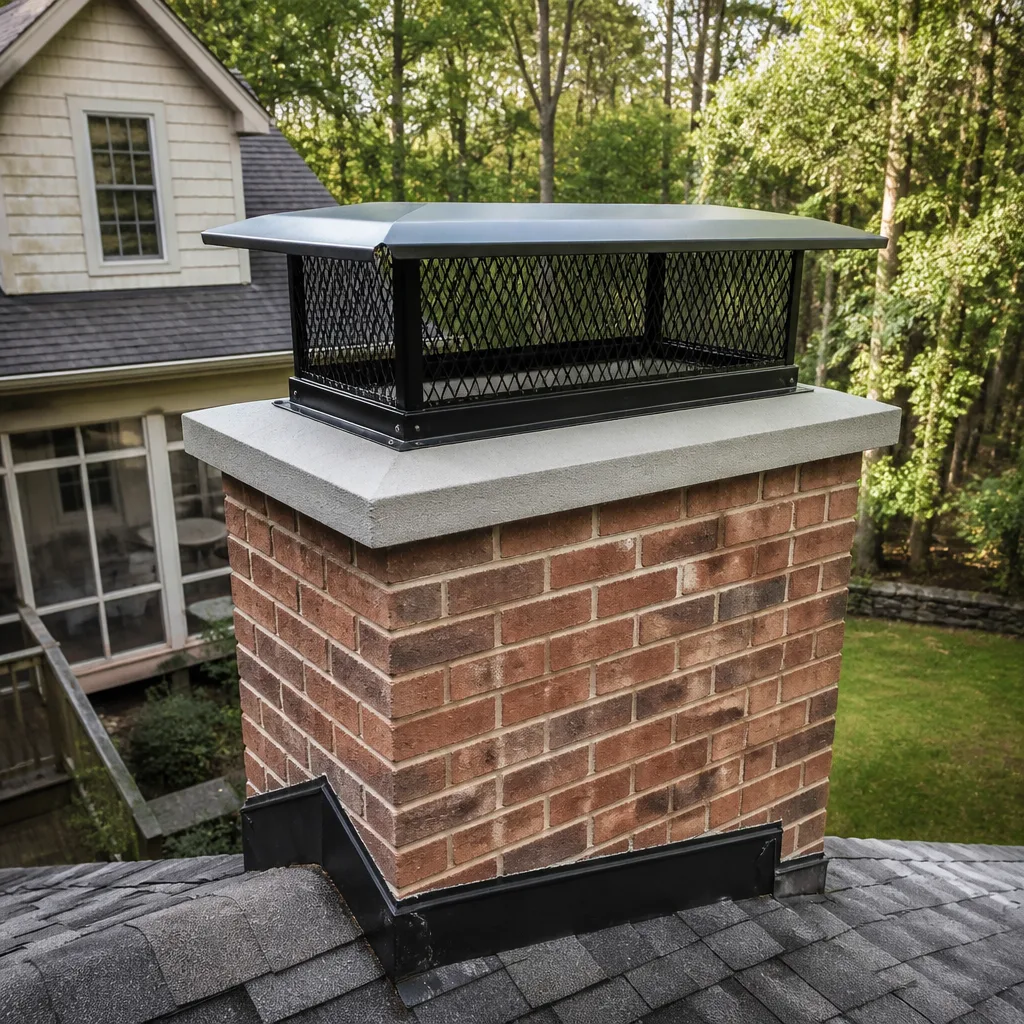
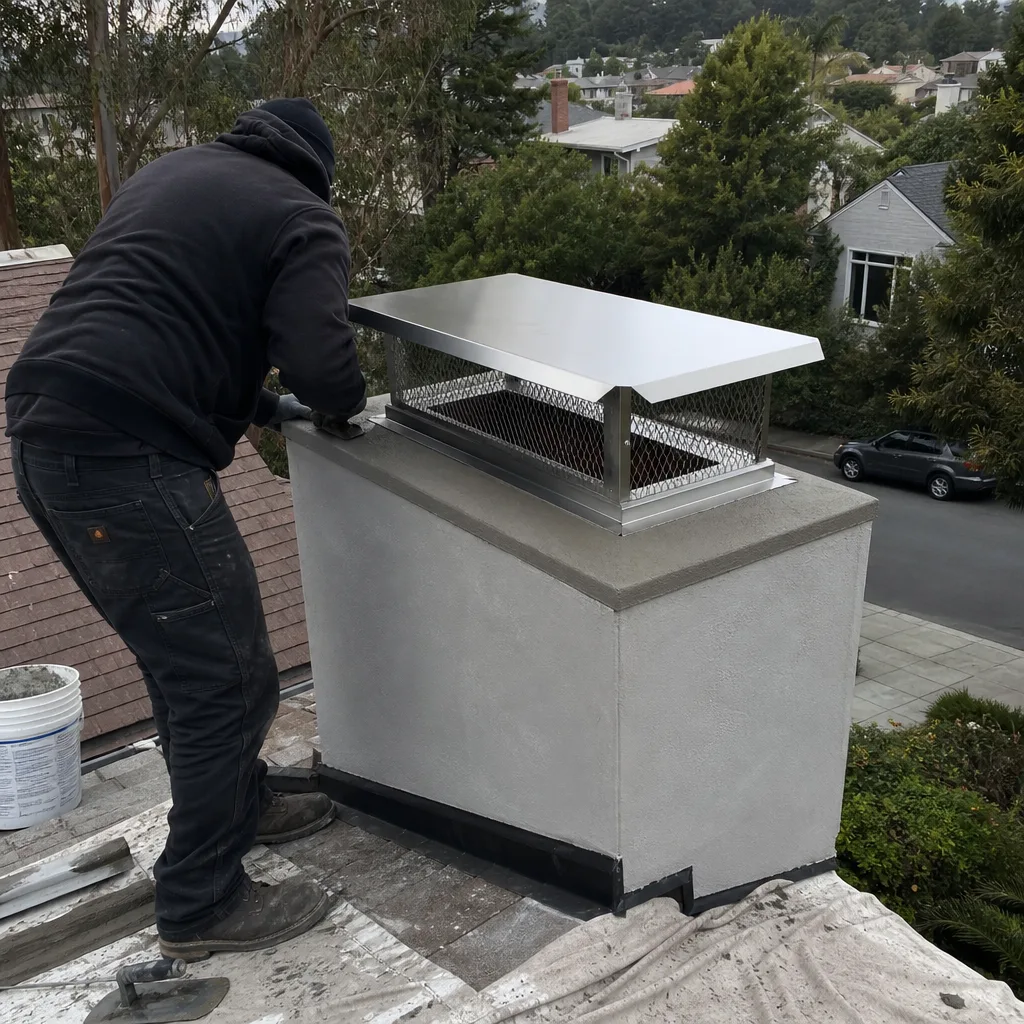
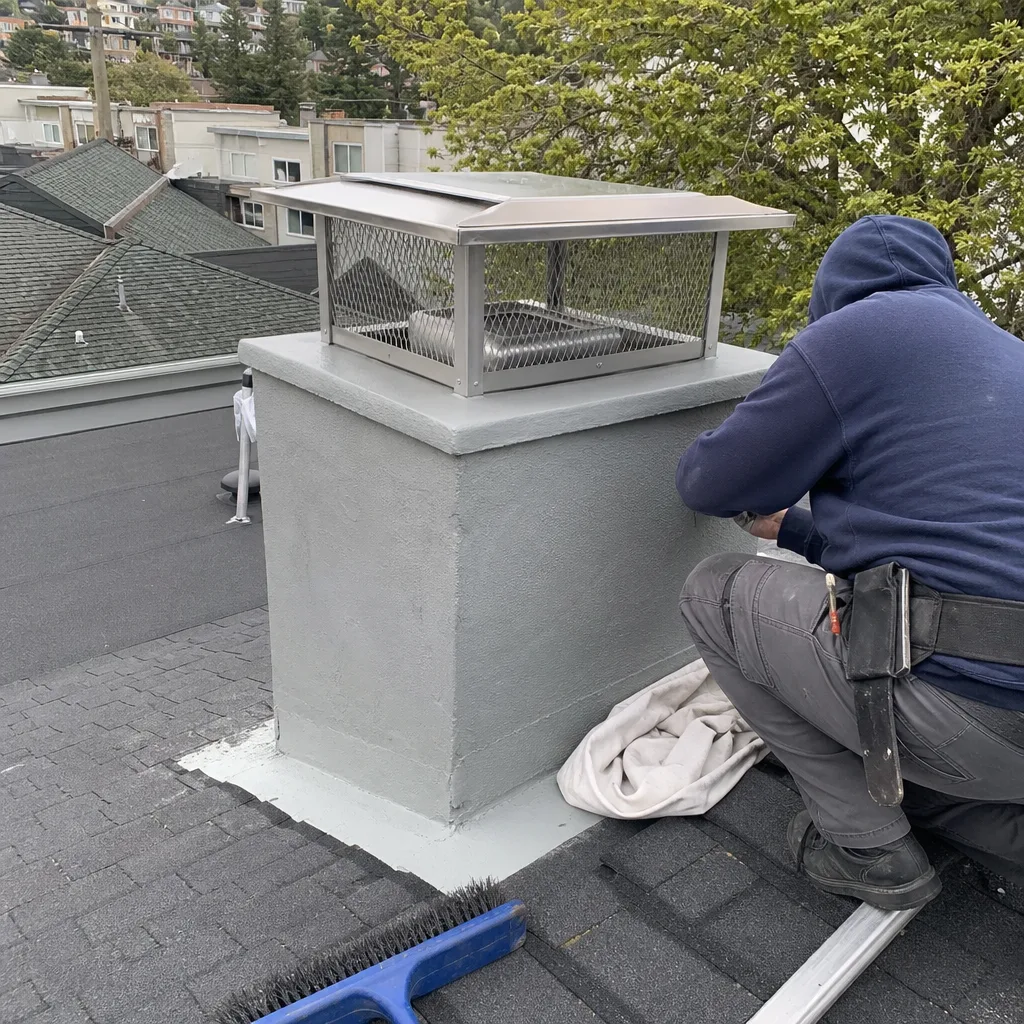
- Inspecting the chimney cap. The cap keeps rain, debris, and animals out of the flue. A missing or damaged cap is a problem that leads to bigger problems.
- A visual or camera inspection of the flue interior. The Chimney Safety Institute of America calls this a Level 1 or Level 2 inspection, depending on the situation. A Level 1 is visual. A Level 2 adds a camera. For any San Francisco home where the chimney hasn’t been used in a while, or any home that just changed ownership, a Level 2 is the appropriate standard.
- A written report. You should leave the appointment knowing what was cleaned, what was found, and what, if anything, needs attention. If nothing needs attention, that’s a report too.
- Hiring on price alone. In San Francisco, a $79 sweep is almost always a loss leader for an upsell. The low price got you on the schedule, and the repair recommendation is where the money gets made. You’re better off paying a fair market rate for a thorough job than a discount rate for a sales pitch.
- Not verifying anything, then being surprised at the door. If you don’t ask for credentials in writing, you won’t know who’s coming. The solution is the identity check described above. It costs you nothing to ask for a name and a photo before you open the door.
- Accepting a vague quote, then being surprised at the invoice. “Clean chimney: $99” is not a quote. It’s a placeholder for a conversation that will happen while the technician is already in your house. Get the scope of work in writing before you book.
- Skipping the Level 2 camera inspection on an old chimney. Many San Francisco homes have flues that last saw active use in the 1980s and have since accumulated creosote, debris, or damage. A visual inspection through the top of the chimney misses what’s happening in the middle of the flue. The camera is the whole point. As part of a proper Chimney Inspection in San Francisco, the camera should be standard on a first visit.
- Treating the chimney as a standalone project. If you have a gas insert or gas log set, that equipment lives in the same chimney system and should be evaluated alongside the flue. A sweep who doesn’t mention the gas components is leaving a gap. That’s why Gas Fireplace Repair in San Francisco is a separate service line for us, not an afterthought we mention after we’ve already packed up the truck.
- Assuming all chimney companies are the same. They are not. The gap between the best and the average in this market is enormous, and the differences show up in exactly the details this guide covers: verification, written scope, camera evidence, and guarantee terms.
One or two outliers in a sea of strong reviews don’t mean much. But when you see the same language repeated across multiple negative reviews, that’s not a pattern of bad luck. That’s a pattern of behavior. Reading reviews this way takes ten minutes and will save you from the exact situation that negative reviewer described.
What a Legitimate Sweep Should Actually Include
Before you compare quotes, you need to know what a proper chimney cleaning includes, so you can tell the difference between a thorough job and a quick brush-through. In San Francisco, where many chimneys are older masonry structures rather than newer prefab units, the scope matters even more.
A standard chimney sweep on a wood-burning fireplace should include:
When you get quotes for your Chimney Sweep in San Francisco, compare them against the scope above, not line-item to line-item. A low price that omits the camera inspection isn’t a discount. It’s a partial job.
Common Mistakes to Avoid
When to Call a Professional
Any time you smell smoke inside the house when the fireplace is burning, the flue is not drafting properly, and that’s a chimney problem, not a nuisance. If you see creosote buildup thicker than about an eighth of an inch on the flue walls, that’s a cleaning you shouldn’t put off. Those shiny, tar-like deposits are the fuel for chimney fires, and they’re heavier in damp San Francisco flues where moisture gets in through cracked crowns and missing caps. If you just bought a home in San Francisco and the previous owner can’t tell you when the chimney was last inspected, schedule a Level 2 inspection as part of moving in. And if you call a sweep and the technician can’t show you the camera footage for a repair they’re recommending, get a second opinion. Alcott Chimney San Francisco home is anchored right here in the city. Alcott Chimney San Francisco offers free estimates in San Francisco, call (831) 534-3789.
Frequently Asked Questions
A standard chimney sweep in San Francisco typically runs $189 to $329 without repairs. That should include a full flue brushing, firebox cleaning, damper check, cap inspection, and a basic or camera inspection depending on the condition of the chimney. Quotes below $150 in this market are almost always hooks for repair upselling. Call (831) 534-3789 for an exact quote, estimates are free.
No. California does not require a state-issued license specific to chimney sweeping. The closest thing is a general contractor or C-61 specialty license, which covers business legitimacy but not chimney expertise. That’s why CSIA certification, verified at csia.org, is the credential you should actually check. For more on permits and inspections, see Chimney Cleaning Permits, Codes & Inspections in CA: What You Need to Know. A company that holds both, and can verify both, is operating at the standard you want.
A proper sweep with an inspection takes about 45 to 90 minutes, depending on the chimney’s condition and whether it’s an open fireplace or includes a cap that needs attention. A 25-minute visit is usually a sign that the inspection portion was skipped. The cleaning is important, but the inspection is what catches problems before they become dangerous.
The CSIA recommends a sweep at least once a year if you use the fireplace regularly, and more often if you burn unseasoned wood or the flue accumulates creosote quickly. In San Francisco, where fog and moisture are constant, we typically recommend an annual sweep plus a Level 2 camera inspection every two to three years for older masonry chimneys-our Seasonal Chimney Cleaning Care for San Francisco: Year-Round Homeowner’s Guide explains why. The moisture in our air accelerates creosote hardening and masonry wear.
Yes, at least once. A chimney that “works fine” can have a cracked flue tile, a deteriorating liner, or significant creosote buildup that you can’t see from the firebox. The camera shows you the actual condition of the flue. For any San Francisco home with a chimney last inspected more than five years ago, a single Level 2 inspection is the cheapest insurance you’ll ever buy against a chimney fire or a much larger repair down the line.
A quote that names a price but doesn’t name a scope of work. “Clean chimney: $99” tells you nothing about what’s included, and it usually means the camera inspection, the cap check, and any actual diagnosis will be introduced as paid add-ons once the technician is already in the house. Before you book anyone, get a written quote that names exactly what’s being done and what’s included in the price. Call (831) 534-3789 and we’ll walk you through a proper scope before anyone visits.
The Bottom Line
Hiring a chimney cleaning contractor in San Francisco isn’t about finding the lowest price. It’s about verifying who’s actually coming to your house, what they’re going to do, and what happens if the work doesn’t hold up. That means checking CSIA certification numbers, asking for proof of $1M liability coverage, reading review patterns for bait-and-switch language, and insisting on a written scope of work before you book. If a company passes all of those checks, and they’re willing to show you the camera footage before recommending any repair, you’ve found someone you can trust. That’s the bar the whole industry should meet, and it’s the standard we’ve held at Alcott Chimney San Francisco since 2002. For more guides & resources, visit our blog.
Written by Ruben Castellano, Owner at Alcott Chimney San Francisco, serving San Francisco since 2002.
See the difference
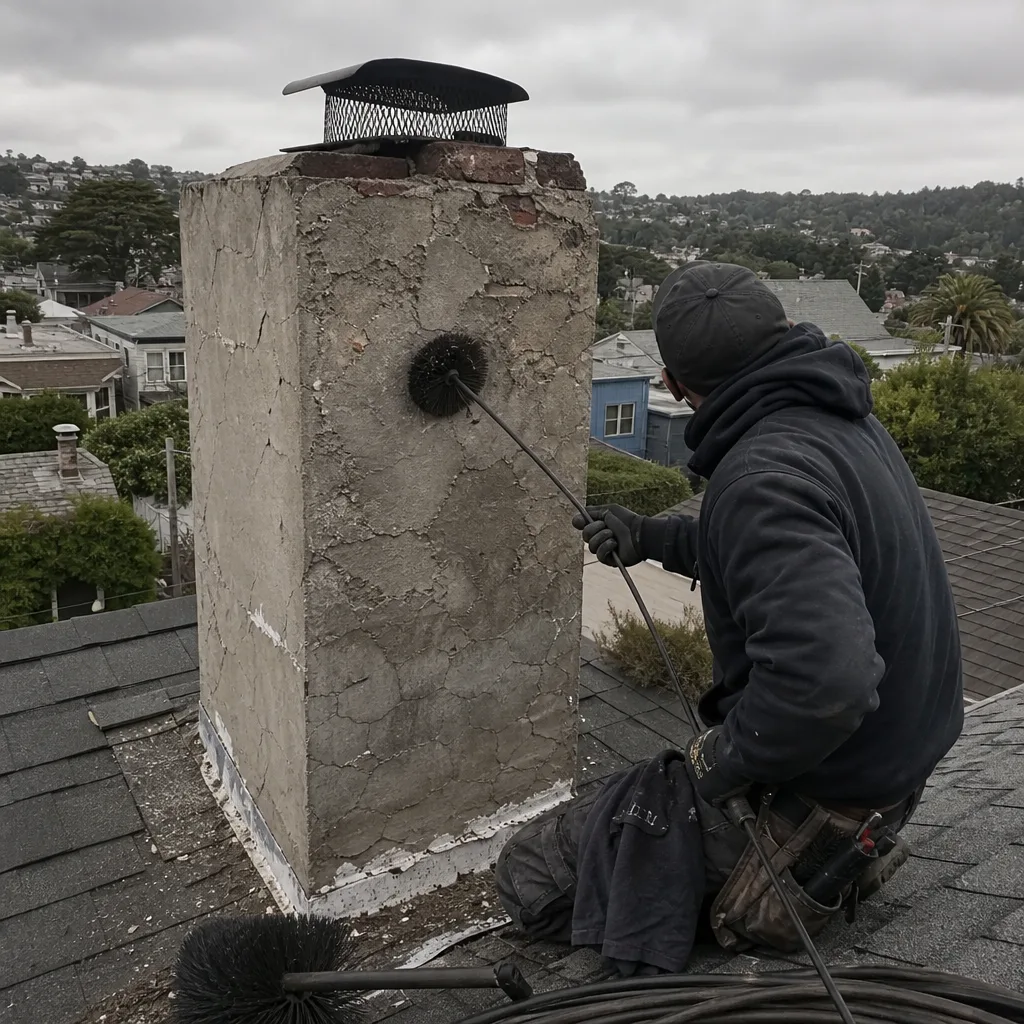 Before
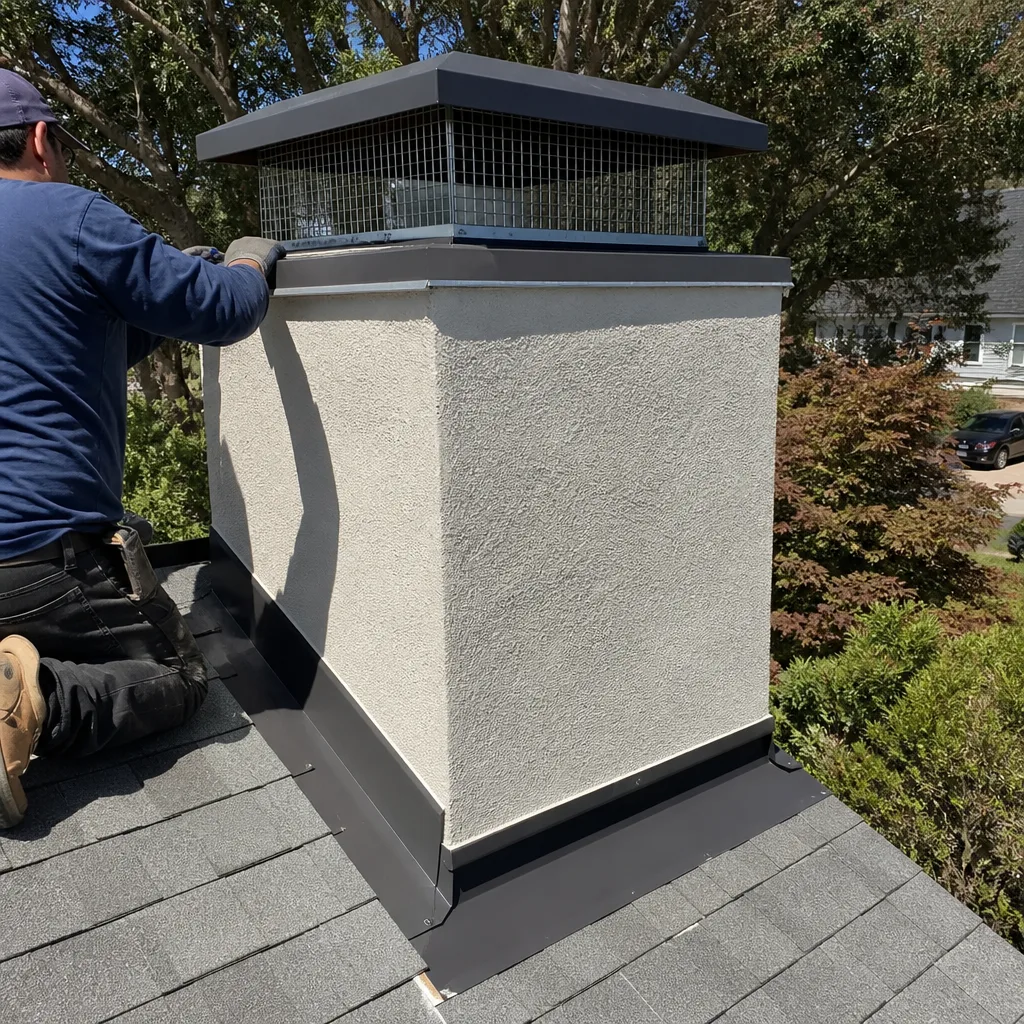 After
After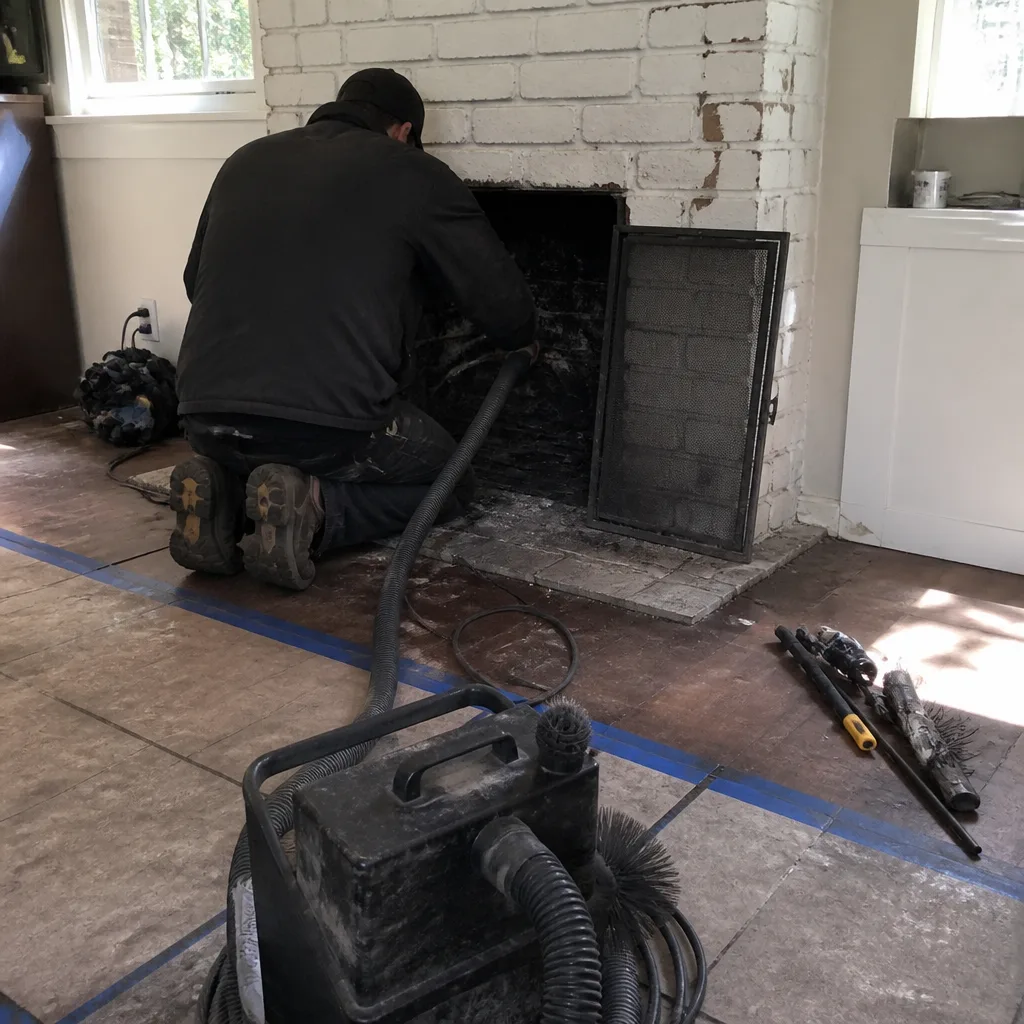 Before
 After
After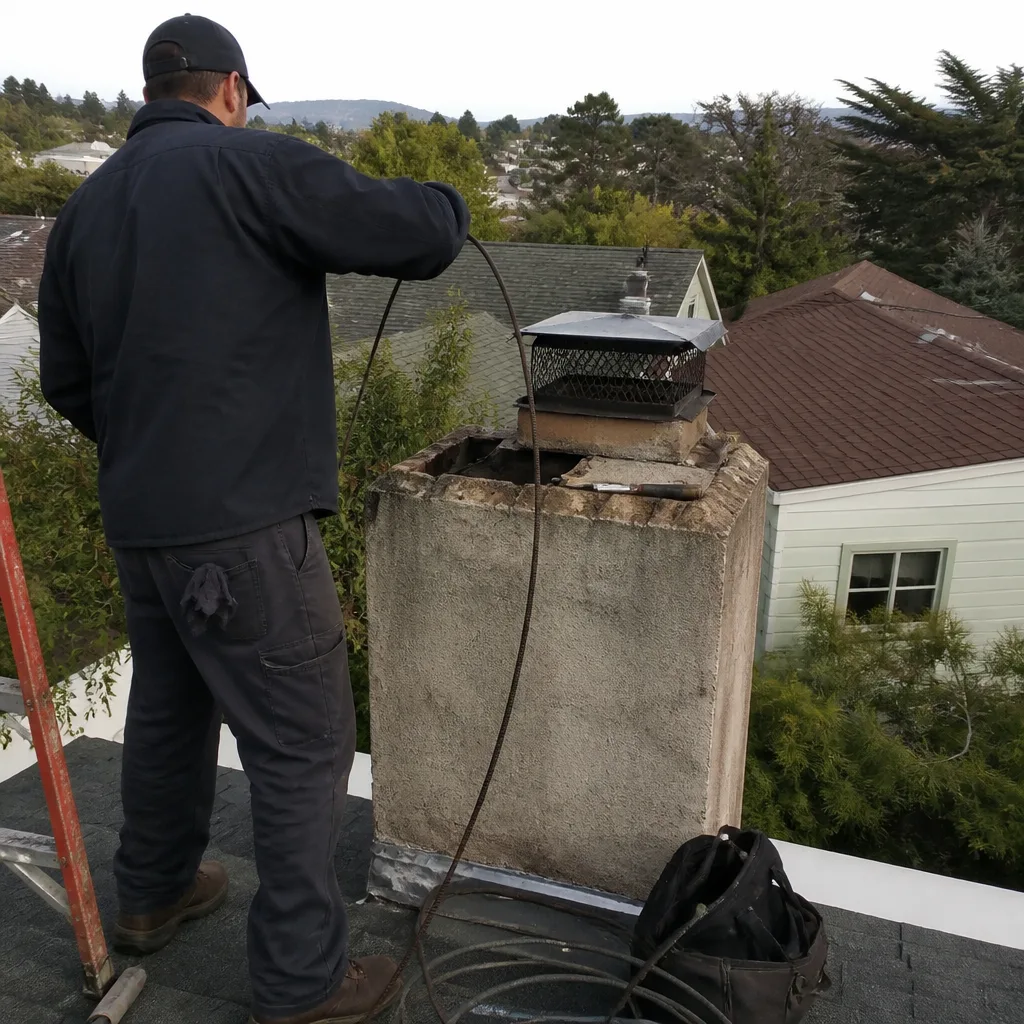 Before
 After
After