
Last updated October 15, 2026
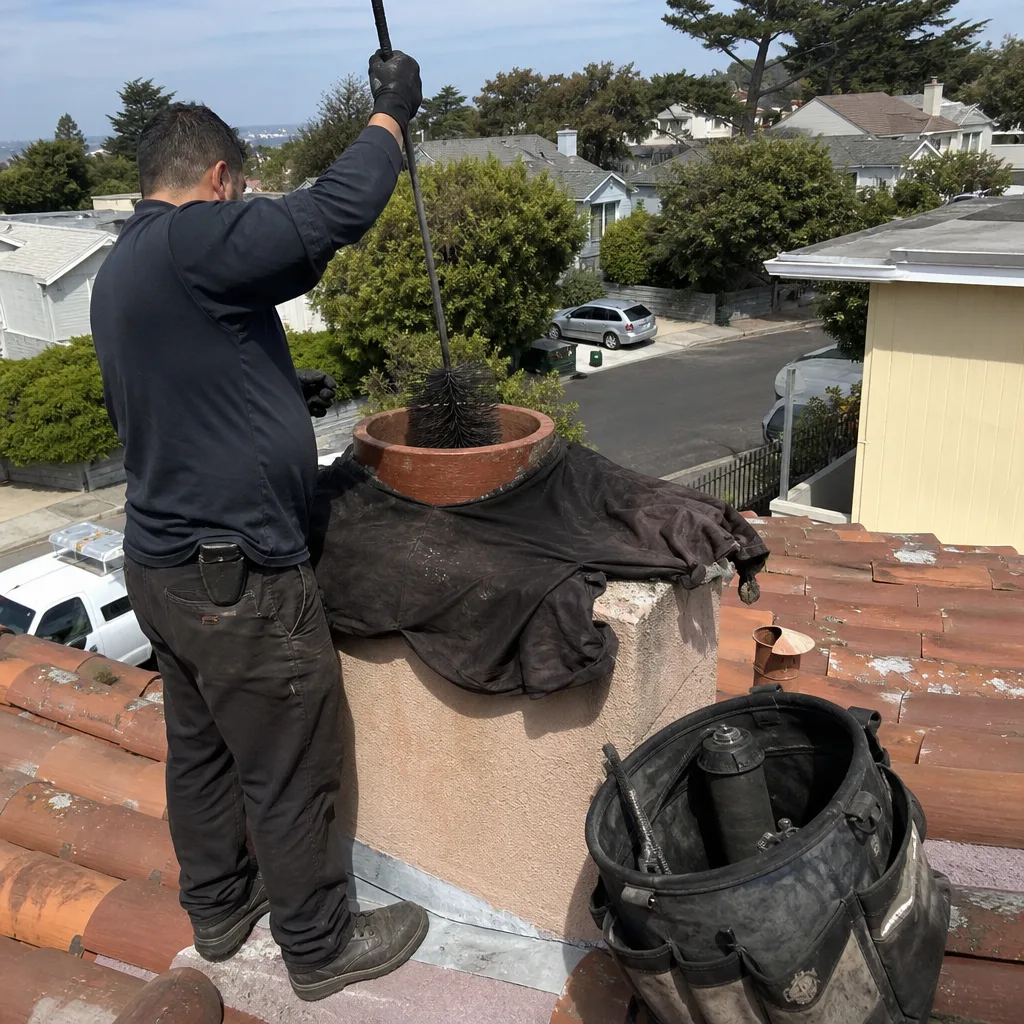
 Sweep & inspection
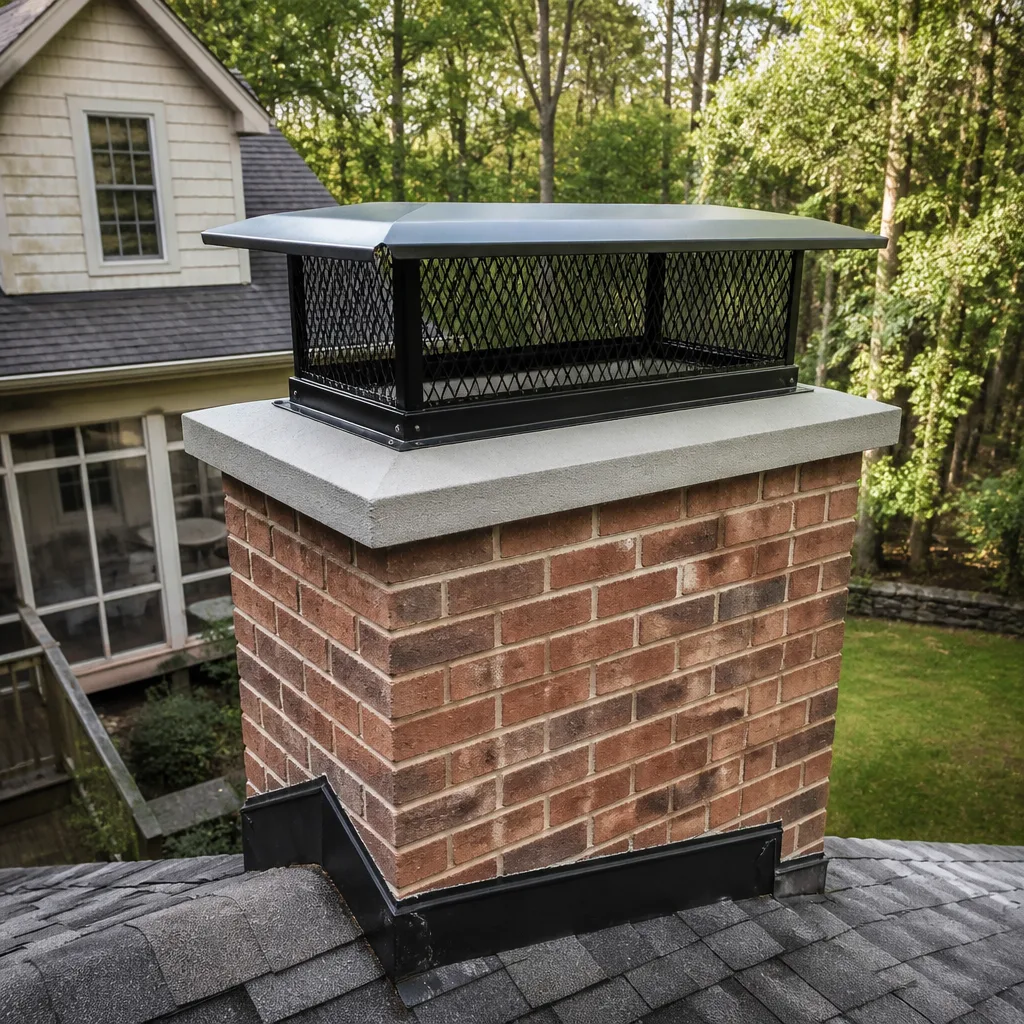
 Caps & crowns
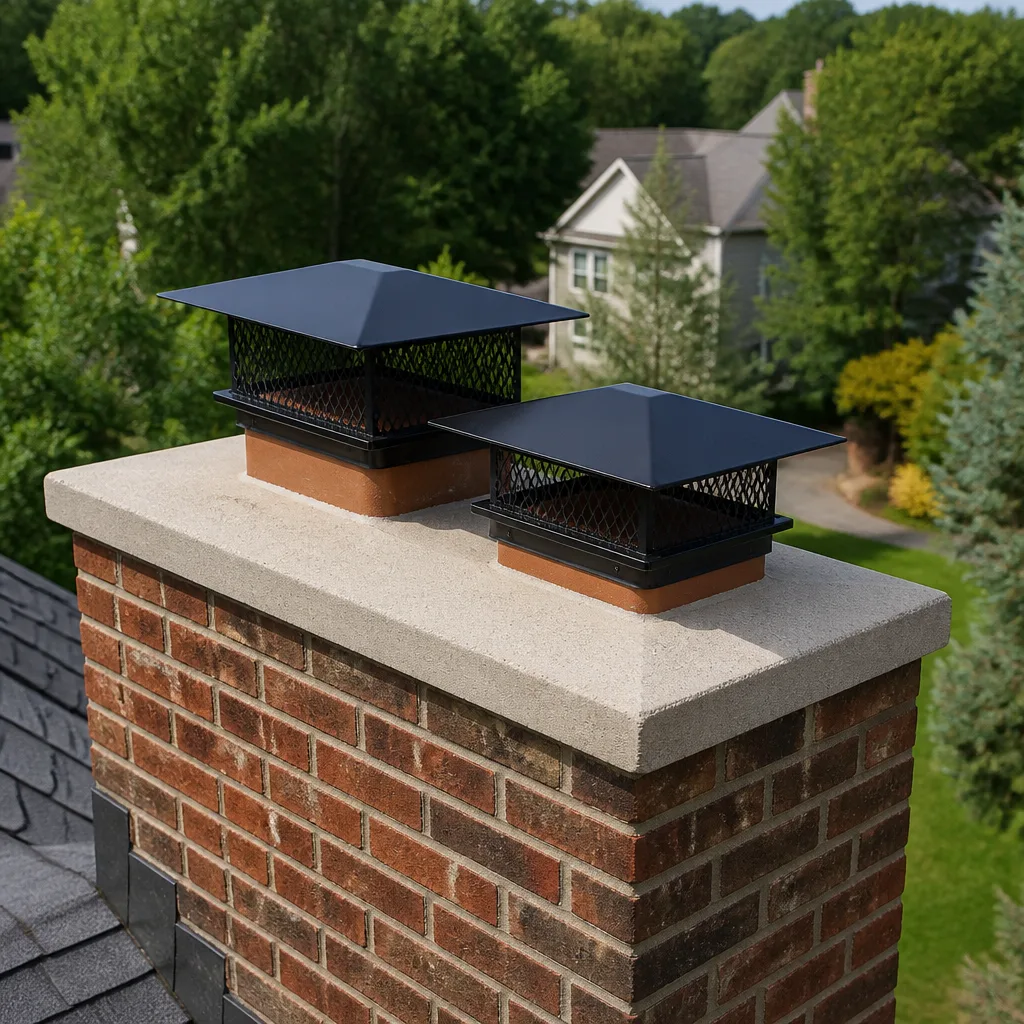
 Flue relining
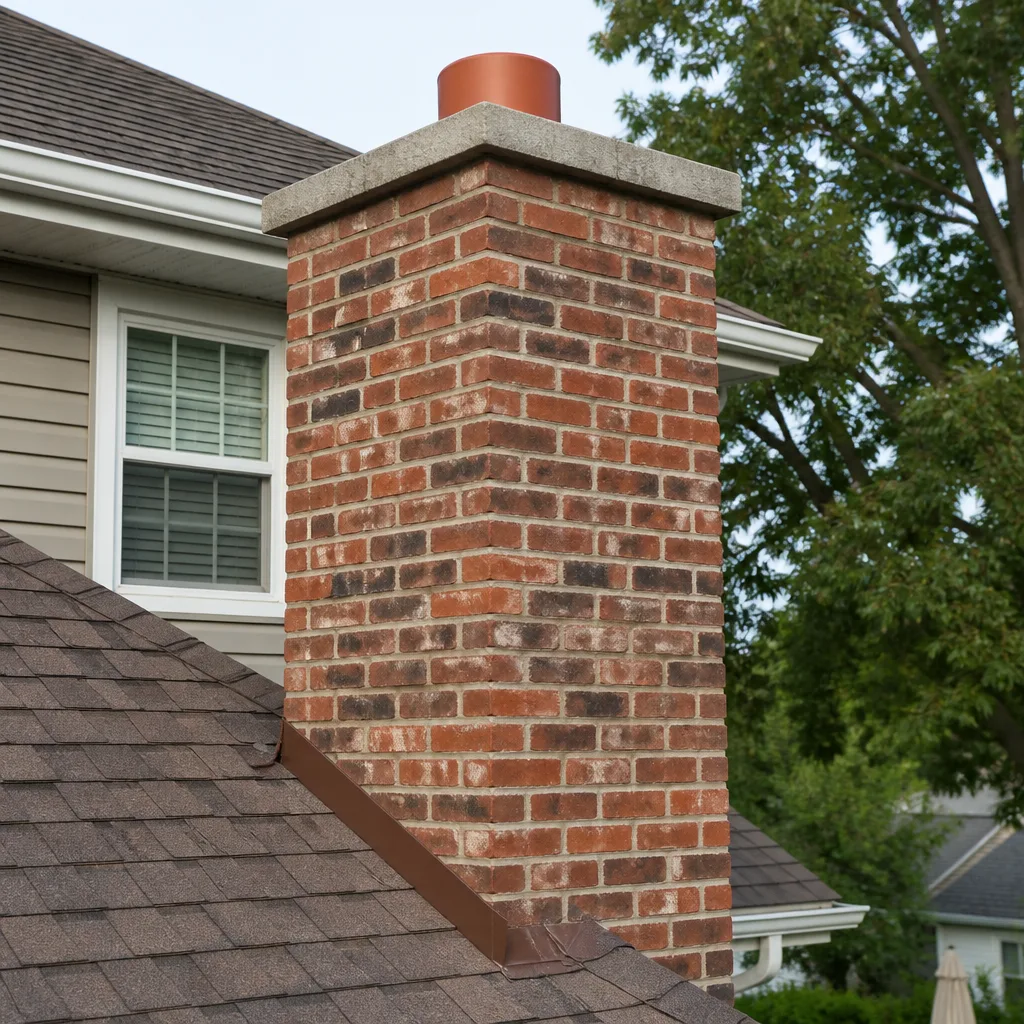 Masonry repair
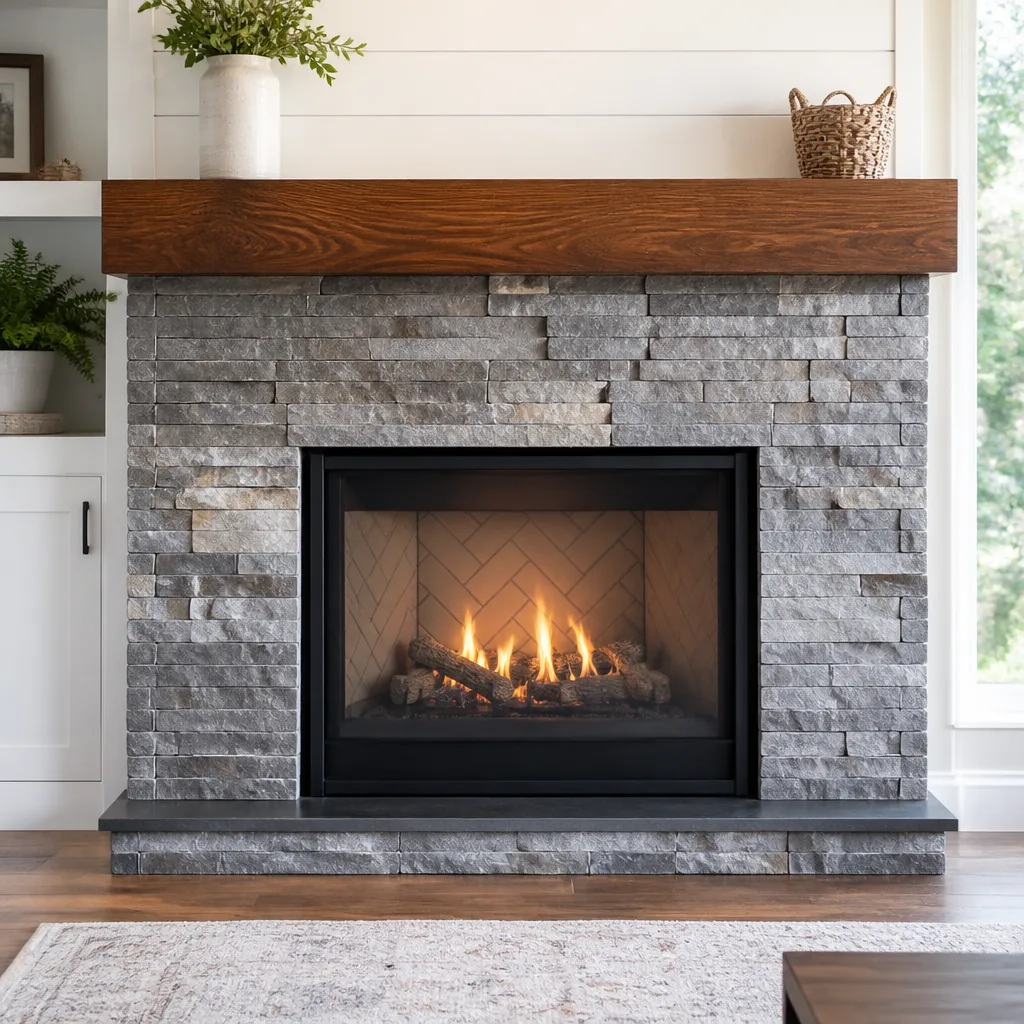 Gas fireplace service
Level 1 sweep and inspection to the NFPA 211 annual standard - flue, crown, cap, and flashing checked and photographed
Chimney sweep logs do not sweep chimneys. They loosen some creosote - which then falls where a brush and vacuum still have to collect it.
DIY vs Professional Chimney Cleaning: The San Francisco Homeowner’s Decision Guide
Here’s a number most San Francisco chimney guides won’t lead with: a professional chimney sweep cleans somewhere between 1 and 2 gallons of creosote, soot, and debris out of the average masonry flue each year. A DIY job with a hardware-store brush removes maybe a third of that, because the brush can’t reach the smoke shelf, the damper assembly, or the corbeled brickwork where the worst deposits accumulate. This guide gives you a straight framework for deciding when the $80 brush kit is genuinely enough, and when the $175 – $250 professional visit is the only responsible choice.
Styles & brands we work with
Quick Answer
DIY chimney cleaning is reasonable only when you have a gas fireplace with a smooth stainless steel liner, fewer than 15 fires per year, no history of chimney fire, and a professional inspection on record from the last 24 months. For most San Francisco homes with masonry flues, original clay tile liners from the 1910s – 1940s, or multi-story Victorian chimneys, professional cleaning is the right call. The difference comes down to what DIY cannot do: inspect the liner for cracks, assess carbon monoxide risk, or document the chimney’s condition for insurance purposes.
Table of Contents
- What DIY Cleaning Actually Accomplishes
- What DIY Cleaning Cannot Do (And Why It Matters in SF)
- The Real Cost Comparison: DIY vs Professional
- San Francisco Housing Factors That Push Toward Professional
- How to DIY Safely: The Exact Sequence
- The Decision Tree: Should You DIY or Call a Pro?
- What a Professional Sweep Actually Includes
- Common Mistakes to Avoid
- When to Call a Professional
- Frequently Asked Questions
- The Bottom Line
What DIY Cleaning Actually Accomplishes
A DIY chimney cleaning with a wire or poly brush removes loose soot and light creosote from the accessible interior walls of a flue. The standard kit costs $80 – $120 at any Bay Area hardware store and includes a brush, fiberglass rods, a tarp, and sometimes a basic hand vacuum. For a gas fireplace with a smooth stainless steel liner, that tool set is adequate for clearing the fine soot that accumulates from natural gas combustion. Gas produces minimal creosote compared to wood, which is why the DIY conversation is fundamentally different depending on what you burn.
But here’s the nuance most DIY guides skip: the tools only work on what they can physically reach. In a typical San Francisco masonry fireplace, the brush travels up the flue but does not effectively clean the smoke shelf, the curved throat just above the damper, or the corbeled brick ledges where creosote builds into a tar-like glaze. That’s the substance that causes chimney fires. We’ve seen DIY-cleaned chimneys in the Richmond District that looked fine from the firebox but carried half an inch of Stage 3 creosote on the upper third of the flue, where the homeowner’s brush never applied real pressure.
For gas inserts with smooth liners, DIY cleaning is genuinely reasonable. The liner resists creosote adhesion, the burn is cleaner, and the main task is removing fine soot rather than scraping hardened tar. If that describes your setup, this guide will give you the framework to proceed safely. If it doesn’t, keep reading before you climb on the roof.
What DIY Cleaning Cannot Do (And Why It Matters in SF)
The core limitation of DIY chimney cleaning is not the cleaning itself. It’s everything the professional does during a visit that a brush kit cannot replicate. A proper chimney sweep at Alcott Chimney San Francisco does five things after the brushing is done that a homeowner with an $80 kit simply cannot perform:
- Liner inspection: A camera scope or strong flashlight reveals hairline cracks in clay tile liners. These cracks are the number one cause of chimney fires in older San Francisco homes, because heat and combustion gases escape into the framing instead of rising harmlessly out the top.
- Refractory damage assessment: Refractory panels and mortar joints deteriorate with heat exposure and moisture. An untrained eye cannot tell cosmetic soot staining from a failing joint that could collapse during a fire.
- Draft testing: A professional can measure whether your chimney actually pulls combustion gases upward. Negative draft or draft reversal sends carbon monoxide back into the living space. This is not a guess. It’s a measurable reading.
- Carbon monoxide risk assessment: A sweep identifies blockages, nests, or a failing flue that could cause CO to leak silently into bedrooms. In tightly sealed San Francisco homes built before modern ventilation codes, this is a real and under-discussed hazard.
- Insurance documentation: Most homeowners insurance policies in California require a certified chimney inspection after any chimney fire or before a property transfer. A DIY cleaning provides no documentation that protects your claim.
The older San Francisco housing stock makes inspection more critical, not less. Clay tile liners installed between 1910 and 1940 are now anywhere from 85 to 115 years old. Thermal cycling over a century causes microcracks that are invisible from the roof but devastating during a fire. We regularly find Stage 2 and Stage 3 creosote in Noe Valley Edwardians and Outer Sunset stucco homes where the homeowner has never had an inspection since buying the property.
The Real Cost Comparison: DIY vs Professional
A standard chimney sweep in San Francisco typically runs $175 – $250 before any repairs, depending on flue height, accessibility, and whether the chimney has been cleaned recently. The DIY kit costs $80 – $120 once, and you can reuse the brush multiple times. On pure upfront cost, DIY wins the first year and breaks even in subsequent years. But that math ignores the risk calculus, and the risk calculus is where the real decision gets made.
Here’s the full picture:
- DIY equipment cost: $80 – $120 for brush, rods, tarp, and basic dust mask. You’ll also need a shop vacuum with a HEPA filter if you don’t want soot dust circulating through your living room, which adds $40 – $80.
- Professional cleaning cost: $175 – $250 for a standard sweep in San Francisco. This includes the inspection, the documentation, and the guarantee.
- Average chimney fire insurance claim: $35,000 – $50,000. A chimney fire that escapes the flue into framing often results in a total loss of the chimney chase and significant water and smoke damage. This is the number the DIY guides never mention.
- Cost of a missed crack in a clay liner: If a cracked liner allows a chimney fire to escape into the structure, the repair often includes complete flue replacement with a stainless system. That runs $4,000 – $8,000 in San Francisco, where multi-story scaffolding and access add cost.
You can see the asymmetry. The $80 kit might work fine for ten years of cleaning a gas fireplace with a smooth liner. The same kit on a 1920s masonry chimney could miss a crack that costs you $50,000 the first winter you burn wood on a cold night. The decision hinges on your specific flue type and burn frequency, not on the price tag alone.
San Francisco Housing Factors That Push Toward Professional
San Francisco is not a generic market. The housing stock, the geography, and the microclimates all interact with chimney performance in specific ways that most national guides simply don’t account for. Here’s what makes this city different:
- Multi-story flues are the norm: The Victorian and Edwardian homes in the Mission, Haight-Ashbury, and Pacific Heights often have chimneys rising 30 – 45 feet through three or four stories. A DIY brush kit from the hardware store includes rods enough for maybe 18 feet. Beyond that, you’re working from the roof with extension poles you may not have, and the physics of pushing a brush through a 40-foot flue with a flexible rod set is genuinely difficult.
- Tight attic access complicates inspection: Many San Francisco homes have finished attics or extremely tight crawl spaces that make accessing the chimney chase impossible for a homeowner but routine for a professional with specialized camera equipment.
- Original clay tile liners dominate: Homes built between 1910 and 1940 in San Francisco were overwhelmingly constructed with clay tile flue liners. These liners are now at the end of their service life. They crack, they spall, and they leak combustion gases into the framing. An untrained eye cannot identify a failing clay liner until it fails catastrophically.
- Coastal moisture accelerates deterioration: The Outer Richmond, Outer Sunset, and Ingleside neighborhoods get persistent fog and salt air. Moisture interacts with creosote to form corrosive acids that eat through clay tiles and mortar joints faster than in dry climates. We see more spalling clay liner damage in the Outer Sunset than anywhere else in the city.
- Seismic activity shifts chimney stacks: Earthquakes, even small ones, shift brick chimney stacks by millimeters each decade. Over time, this creates hidden separation between flue tiles. A professional inspection with a camera scope identifies these gaps; a brush cleaning does not.
These factors don’t make DIY impossible. They make it riskier, and they make the inspection component of a professional visit more valuable than the cleaning itself. For a typical San Francisco homeowner with a wood-burning masonry fireplace, the question isn’t “Can I clean this myself?” It’s “Can I afford to miss the crack in the liner I didn’t know to look for?”
How to DIY Safely: The Exact Sequence
If you’ve read this far and your situation falls into the narrow DIY-appropriate category – gas fireplace with a smooth stainless liner, fewer than 15 fires per year, no chimney fire history, and a professional inspection on record from the last two years – here’s the exact sequence to do it without turning your living room into a soot disaster.
- Confirm your flue type first. If you don’t know whether you have a stainless liner or a clay tile liner, stop. That’s the information you need before buying anything. A recent inspection report will tell you. If you don’t have one, schedule a Chimney Inspection in San Francisco before attempting DIY.
- Set up the interior. Close the damper if your fireplace has one. Lay a canvas or plastic drop cloth across the entire hearth and extend it at least 6 feet into the room. Most DIY soot damage comes from failure to extend the tarp far enough. Seal the fireplace opening with a sheet of plastic and painter’s tape after you’ve set the drop cloth, leaving only a small access gap for the brush handle.
- Prepare the vacuum. Use a shop vacuum with a HEPA filter. Standard filters blow soot dust back into the room. Position the vacuum hose inside the firebox, running during the entire cleaning. This captures dust before it becomes airborne.
- Access the flue from the top. For top-down cleaning, you’ll need roof access and a ladder you’re comfortable on. If your roof is steep or you’re working more than one story up, do not attempt this. Working from the top means you’re pushing debris downward into the fireplace, where your vacuum is waiting. Bottom-up cleaning is possible but sends all the soot down onto your tarp, then into the room when you open the chimney. Top-down is the cleaner method.
- Brush in a methodical pattern. Run the brush up and down the flue in overlapping passes. Expect to make 10 – 15 full passes for a gas fireplace. Let the brush do the work; forcing it can damage the liner or dislodge mortar joints.
- Clean the firebox and smoke shelf. After the flue brushing is done, use a smaller hand brush to clear the smoke shelf, the curved area just above the damper. This is the area most DIY cleaning misses, and it’s also where gas soot accumulates.
- Dispose of the soot properly. Empty the vacuum canister into a sealed bag before bringing it back through the house. Soot dust gets into carpets, drapes, and HVAC filters if you’re not careful.
- Still schedule your annual professional inspection. DIY cleaning does not replace the professional’s eye. The National Fire Protection Association (NFPA 211) recommends a Level 1 inspection at least annually, regardless of who does the cleaning. The 30 minutes a professional spends looking at the liner, damper, and firebox is the part of the visit that actually protects you.
The Decision Tree: Should You DIY or Call a Pro?
Here’s the honest framework most guides don’t give you. Work through these questions in order. If you answer yes to all four conditions in the first section, DIY is reasonable. If you answer no to any of them, call a professional.
DIY is reasonable if all of these are true:
- You have a gas fireplace with a smooth stainless steel liner. This is the only flue type where DIY cleaning is reliably adequate. If you have a wood-burning fireplace, a masonry flue, or a clay tile liner, DIY cleaning misses the risk.
- You burn fewer than 15 fires per year. Light use means light creosote accumulation. If you burn wood every winter night in Noe Valley, you’re producing far more creosote than a DIY brush can handle.
- You have no history of chimney fire. A previous chimney fire means the liner has been thermally stressed. Only a professional inspection can determine if it’s still safe.
- You have a professional inspection on record from the last 24 months. This is the condition most DIY homeowners skip. The cleaning and the inspection are different jobs. You need the inspection even if you do the cleaning yourself.
Call a professional if any of these apply:
- Your home was built before 1940 and still has the original clay tile liner. The risk of hidden cracking is high enough that professional inspection is the only responsible choice.
- You burn wood as a primary heat source. Heavy creosote requires professional tools and professional disposal.
- Your chimney rises more than two stories or has difficult roof access. Working on a steep San Francisco roof with a brush kit is how people get hurt. This is the kind of job where paying $175 – $250 is cheap insurance.
- You smell smoke or musty odors inside the home after a fire. That’s a draft or liner problem, not a cleanliness problem. A brush won’t fix it.
- You’ve never had the chimney inspected since buying the home. You don’t know what’s in there. In San Francisco, where homes change hands with incomplete records, this is the single most common reason we find dangerous conditions during routine visits.
What a Professional Sweep Actually Includes
There’s a persistent myth that a professional chimney sweep is just someone with a nicer brush than yours. That’s like saying a mechanic is just someone with a wrench. The value of a professional visit in San Francisco is the combination of cleaning, inspection, and documentation that a DIY job cannot replicate.
When you book a professional sweep, here’s what the service actually covers:
- Full flue cleaning: Professional-grade rotary brushes and vacuum systems remove creosote, soot, and debris from the entire flue, including the smoke shelf and damper assembly where DIY brushes can’t reach.
- Visual inspection of the liner: Chimney Inspection in San Francisco includes checking for cracks, spalling, and separation in clay tile liners, or corrosion and disconnection in stainless systems.
- Firebox and damper assessment: The professional checks that the damper opens and closes properly, that the firebox masonry is intact, and that the hearth extension meets code.
- Draft and carbon monoxide testing: A smoke test or draft gauge confirms that the chimney actually pulls combustion gases upward. This is the test that catches negative draft and carbon monoxide risk.
- Documentation: You receive a written report documenting what was found, what was cleaned, and what may need attention. This documentation is what insurance companies ask for after a chimney fire. DIY cleaning provides nothing.
- Guaranteed work: Reputable chimney companies in San Francisco back their work. We operate under what we call the Threshold Standard, which includes a written guarantee on every repair and a free return visit if the repair doesn’t hold. That’s not a warranty buried in fine print. It’s a written commitment before work begins.
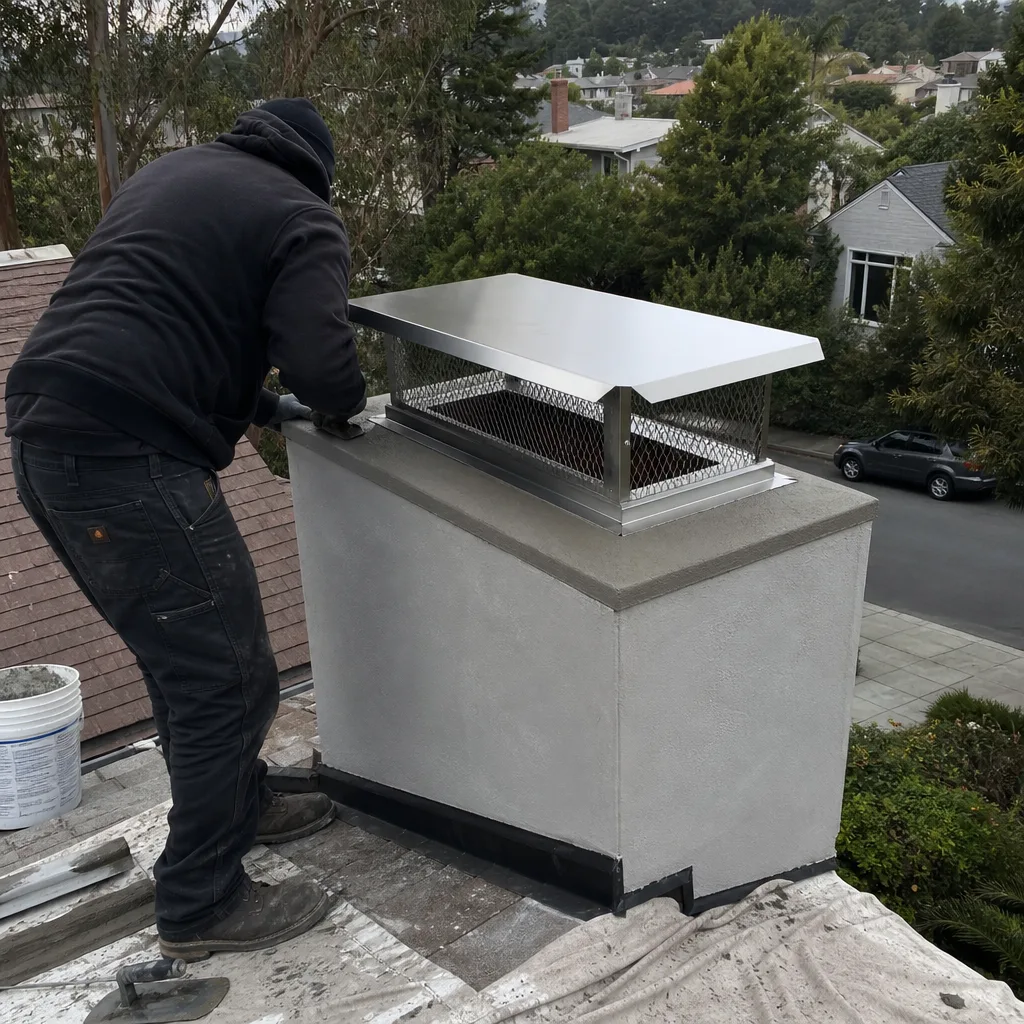
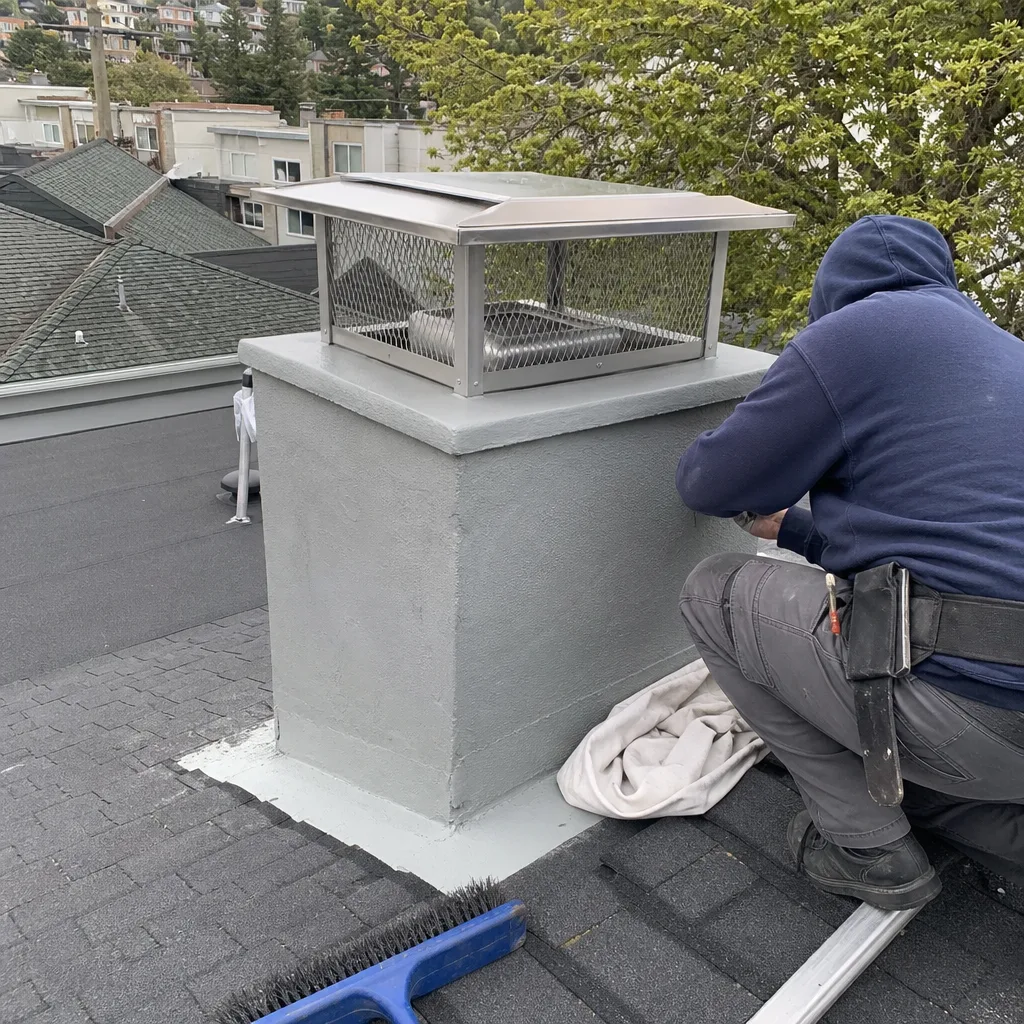
The professional trade brands matter too. When repairs are needed, Alcott Chimney San Francisco installs HeatShield resurfacing systems for cracked clay liners, Olympia Chimney components for masonry repair, and Gelco products for crown sealing. These are the same materials specified by chimney professionals across the country, not improvised substitutes from a hardware store shelf.
Common Mistakes to Avoid
- Assuming a clean-looking firebox means a clean flue. The firebox is where you look. The flue is where the danger lives. A fireplace that looks clean from the living room can carry a dangerous creosote load in the upper third of the chimney.
- Buying a DIY brush kit without confirming your flue type. A poly brush designed for a clay tile liner can damage the thin walls of a stainless system. Know what you have before you buy anything.
- Cleaning from the bottom without sealing the fireplace opening. This is how soot ends up on every surface in the room. If you’re cleaning bottom-up, you need a sealed access gap and a continuously running vacuum. Most people fail at the seal and then spend a weekend repainting.
- Skipping the annual inspection because you clean it yourself. The cleaning and the inspection are separate functions. A DIY cleaning removes soot. It does not evaluate liner integrity. If you haven’t had a professional inspection in the last 24 months, you’re flying blind regardless of how clean the flue looks.
- Ignoring a musty smell after rain. In San Francisco’s foggy neighborhoods, a musty fireplace smell after rain often means water is entering through a cracked crown or failed flashing. That water accelerates masonry deterioration and can make creosote removal nearly impossible. It’s a repair issue, not a cleaning issue.
- Burning artificial logs or wet wood in a fireplace you haven’t had inspected. Wet wood produces dramatically more creosote than seasoned hardwood. Artificial logs produce chemical residues that bond to flue walls. If you’re burning either one in an uninspected San Francisco fireplace, you’re compounding your risk.
- Attempting roof work on a Victorian without confirmed roof access. Multi-story Victorian roofs are steep, and many have tiles or slate that can’t support a ladder safely. If you’re not sure you can access the chimney cap safely, call a professional. The hospital bill exceeds the chimney cleaning bill.
When to Call a Professional
You should call a professional if your home was built before 1940 with an original clay tile liner, if you burn wood regularly, if your chimney rises more than two stories, if you’ve had a chimney fire, or if you haven’t had an inspection in the last two years. Any single one of those conditions makes professional cleaning the responsible choice. In our experience serving San Francisco since 2002, the homeowners who call us after attempting DIY are almost always the ones who didn’t match their flue type to the decision framework above. Alcott Chimney San Francisco offers free estimates in San Francisco – call (831) 534-3789 and we’ll tell you honestly whether you need a professional visit or whether your specific setup is genuinely fine for a DIY approach.
Frequently Asked Questions
A standard chimney sweep in San Francisco typically runs $175 – $250 before any repairs, depending on flue height, accessibility, and how long it’s been since the last cleaning. This includes the inspection portion, which is where the real value lies. Call (831) 534-3789 for an exact quote on your specific chimney – estimates are free.
Yes, California has no law requiring professional chimney cleaning for private homeowners. The legality is not the issue; the risk is. If you have a gas fireplace with a smooth stainless liner and a recent professional inspection, DIY is reasonable. If you have a masonry flue with an original clay liner from the 1910s – 1940s, DIY cleaning misses the cracks that cause chimney fires. Call (831) 534-3789 if you’re not sure which category you’re in.
The National Fire Protection Association recommends a chimney inspection at least annually and cleaning whenever creosote accumulation reaches 1/8 inch. In San Francisco’s coastal neighborhoods where fog and moisture accelerate creosote corrosion, we recommend the annual inspection regardless of burn frequency. The inspection catches liner damage and moisture problems before they become structural. Call (831) 534-3789 to schedule yours.
Yes, and this is one of the most common misconceptions we hear. An unused chimney in San Francisco is still exposed to moisture, fog, and seismic movement. Water enters through cracked crowns and failed flashing, which deteriorates masonry and creates the conditions for future failure. An inspection catches these issues before you light a fire and discover them the hard way. Gas Fireplace Repair in San Francisco often finds the same issues in gas units that haven’t been used in years.
Creosote accumulates in layers. Light soot becomes flaky, then tar-like, then a hard glaze that professional tools struggle to remove. Each stage increases the risk of a chimney fire, and a hardened glaze often requires chemical treatments or mechanical removal that costs substantially more than a standard cleaning. In the worst cases we’ve seen in San Francisco, skipped cleanings led to cracked liners that required complete flue replacement. Call (831) 534-3789 for an honest assessment of what skipping has already cost you.
Yes. Gas fireplaces produce soot, not creosote, but that soot still accumulates and can restrict airflow, create odors, and damage the liner over time. If you have a gas insert with a smooth stainless liner and burn fewer than 15 fires per year, DIY cleaning is reasonable. If you’re burning daily in the winter, the soot accumulation demands professional attention.
The Bottom Line
The honest answer to the DIY-versus-professional question is that it depends entirely on your specific setup, and most people make this decision backwards. They start with the price tag – $80 for a brush kit versus $175 – $250 for a professional – and work toward a conclusion from there. That’s the wrong order. The right order is: know your flue type, know your burn frequency, know your inspection history, then decide. For gas fireplaces with smooth stainless liners and light use, DIY is genuinely fine. For the masonry flues, clay tile liners, and multi-story chimneys that dominate San Francisco’s housing stock, professional cleaning with a real inspection is the only responsible choice. Chimney Sweep in San Francisco doesn’t have to be expensive, and it doesn’t have to be a gamble. Call (831) 534-3789 and we’ll tell you straight what your chimney needs and what it doesn’t.
Written by Ruben Castellano, Owner at Alcott Chimney San Francisco, serving San Francisco since 2002.
See the difference
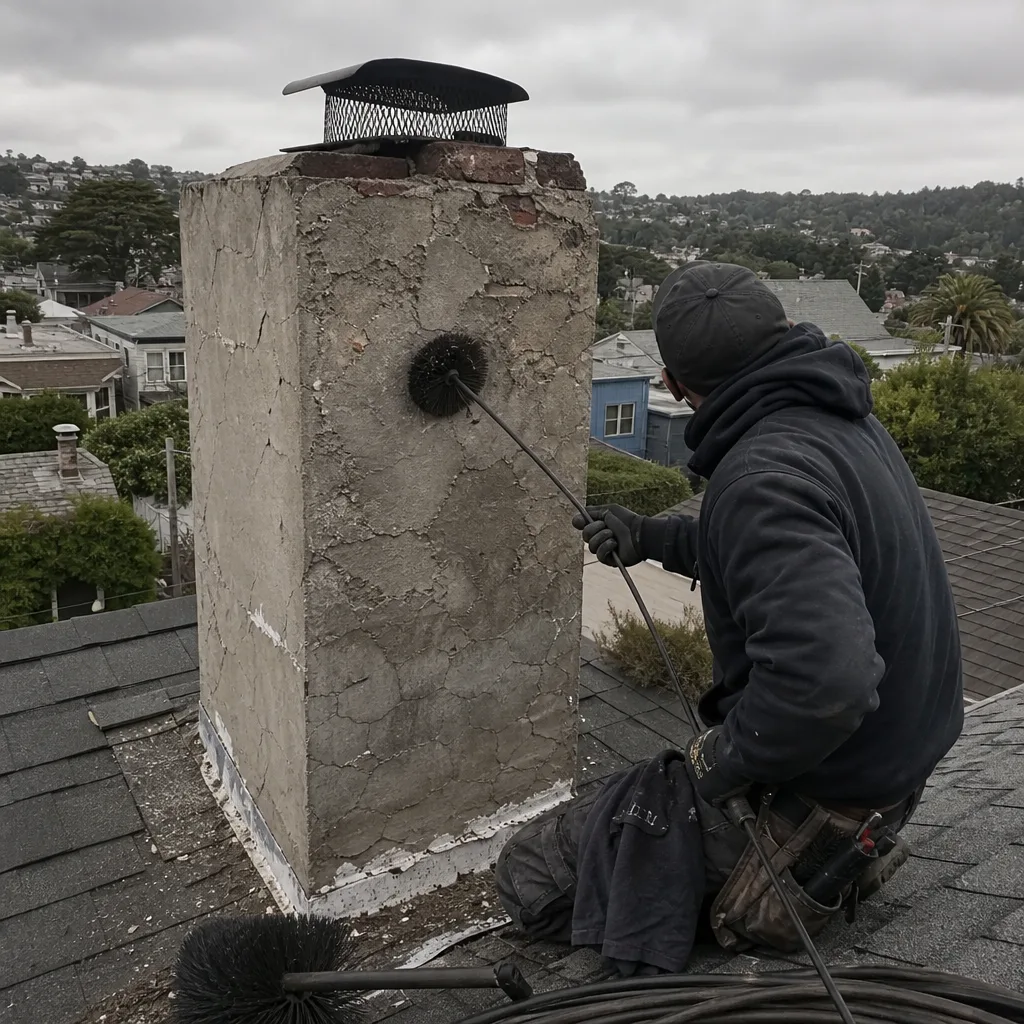 Before
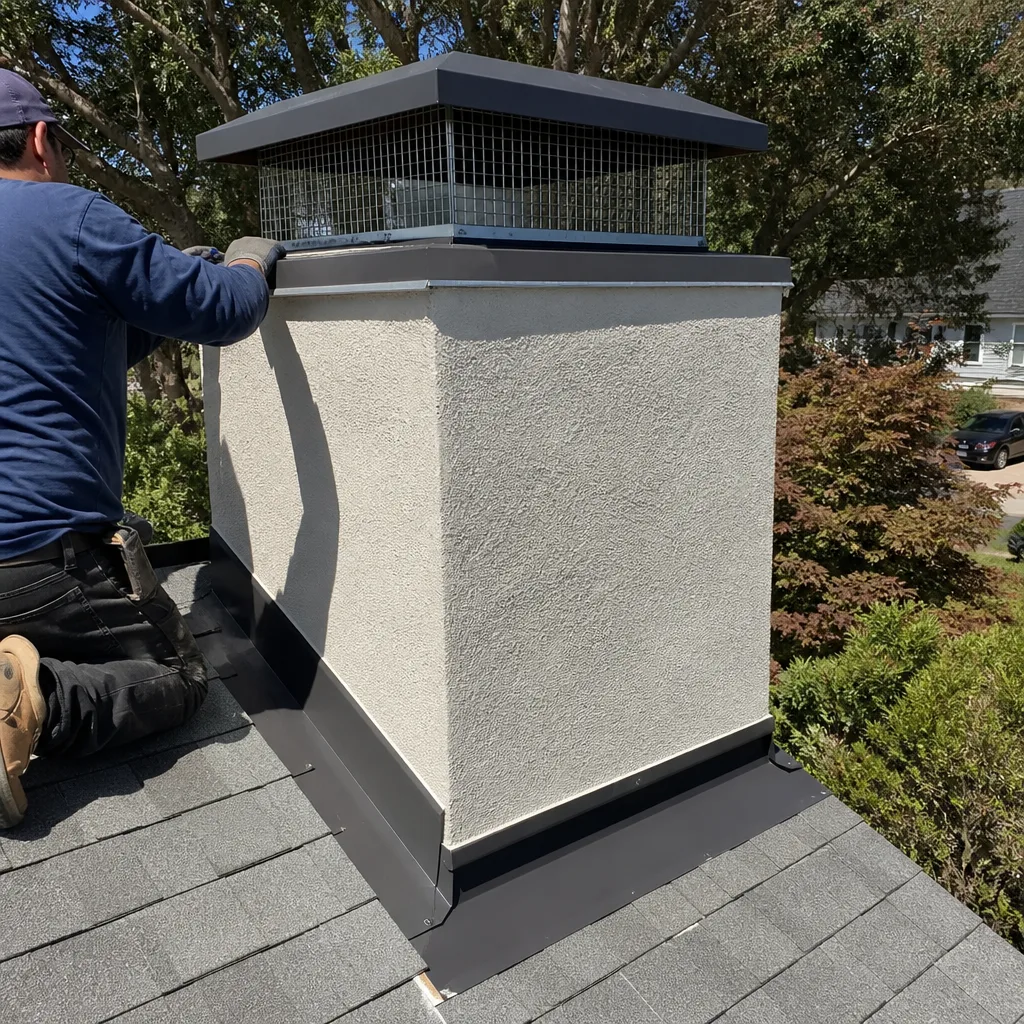 After
After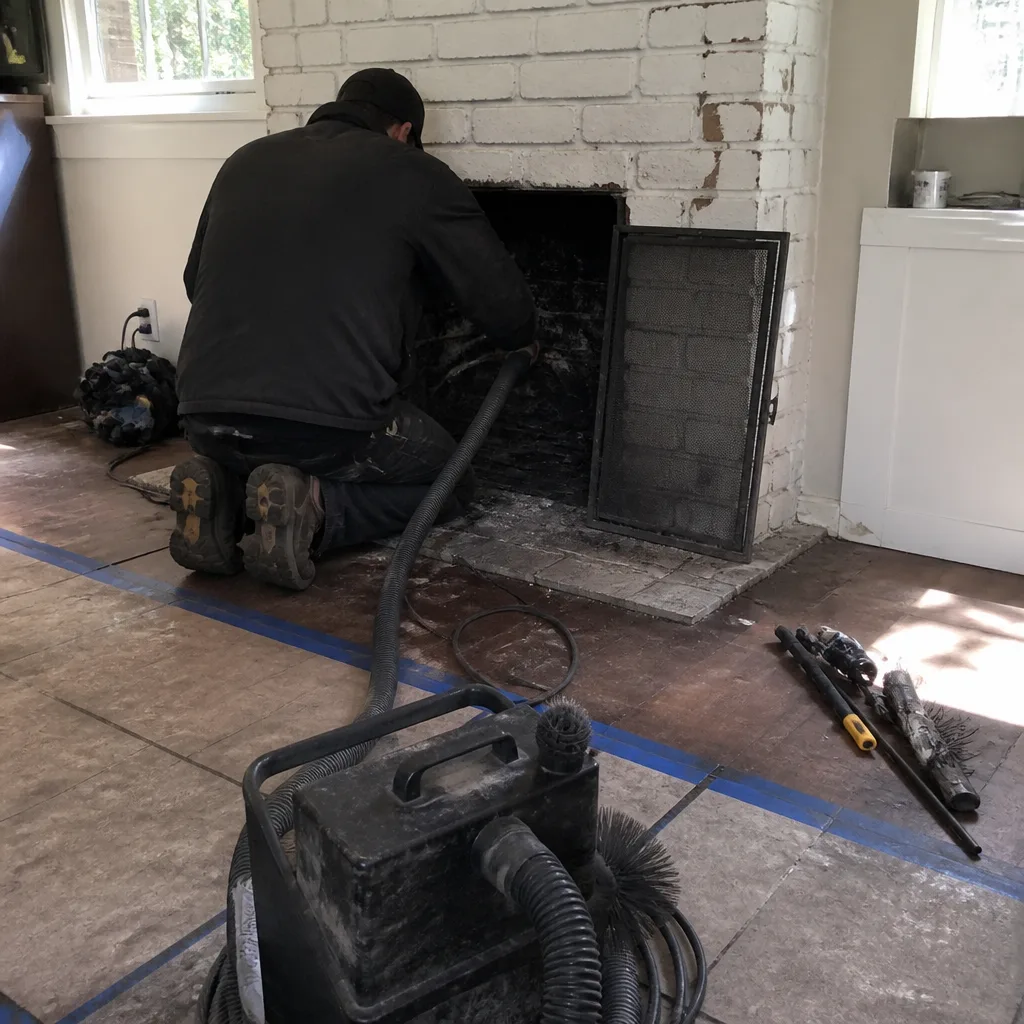 Before
 After
After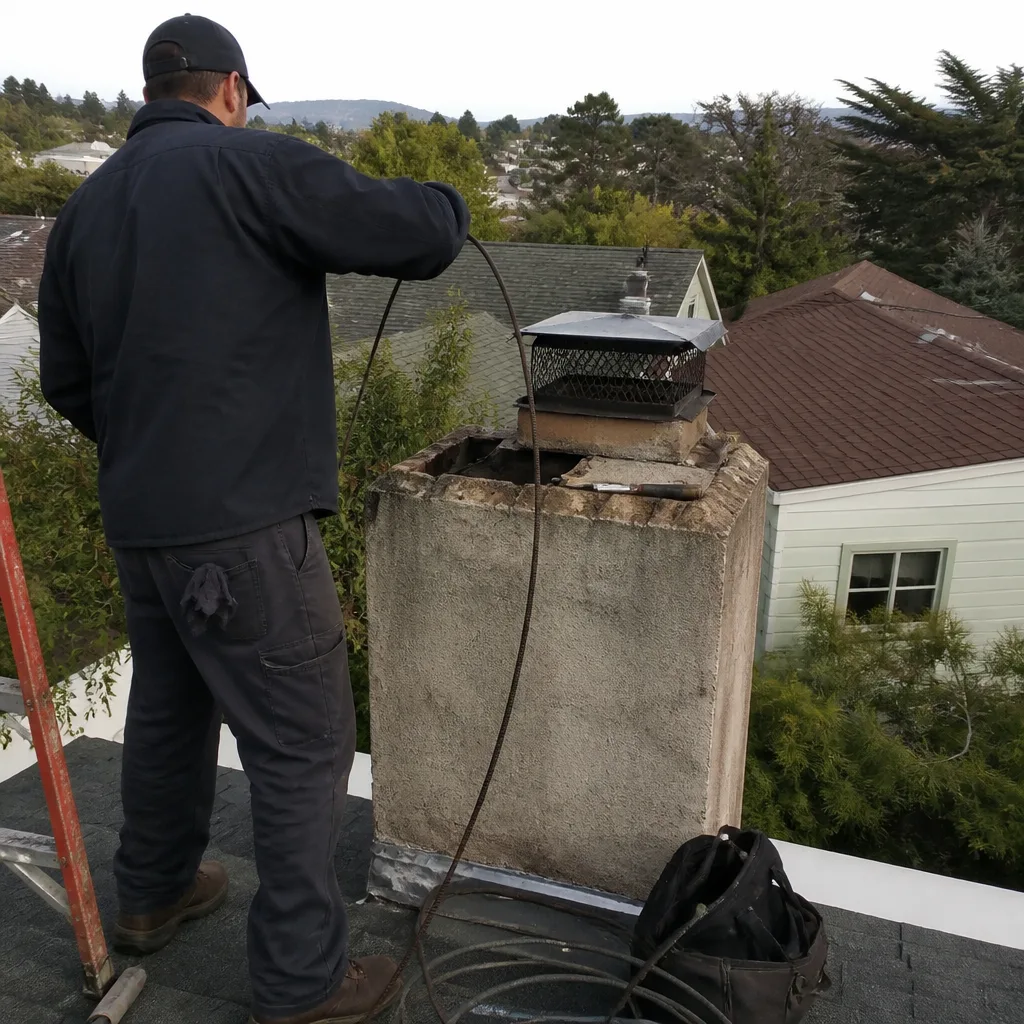 Before
 After
After