
Last updated October 15, 2026
 Sweep & inspection
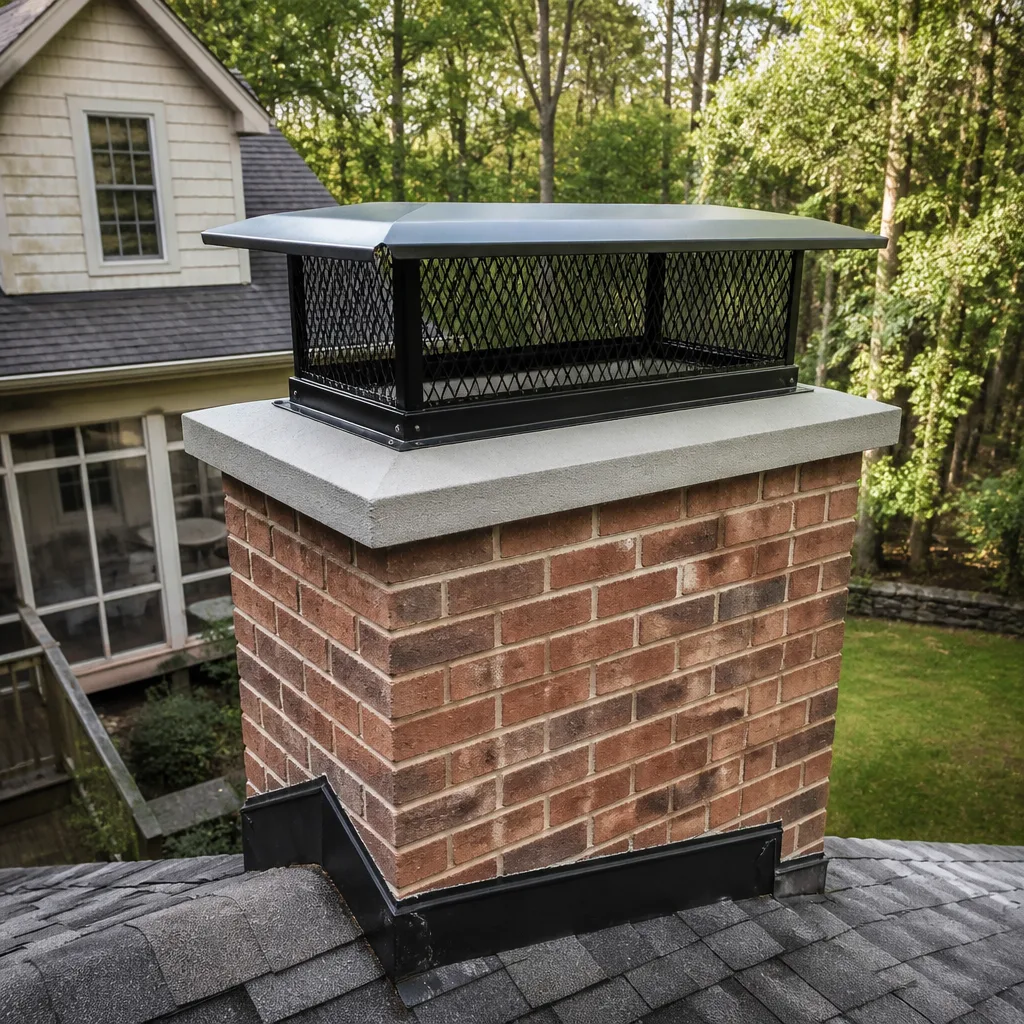
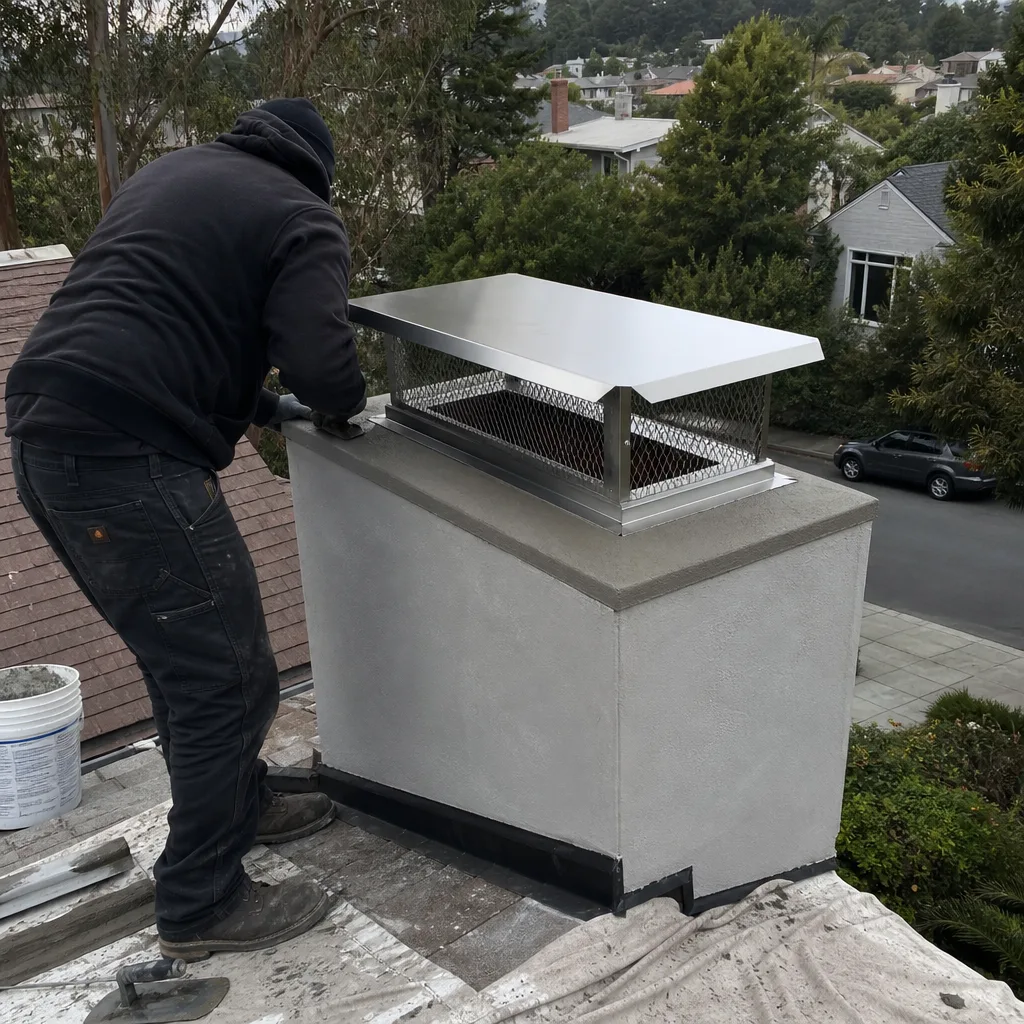
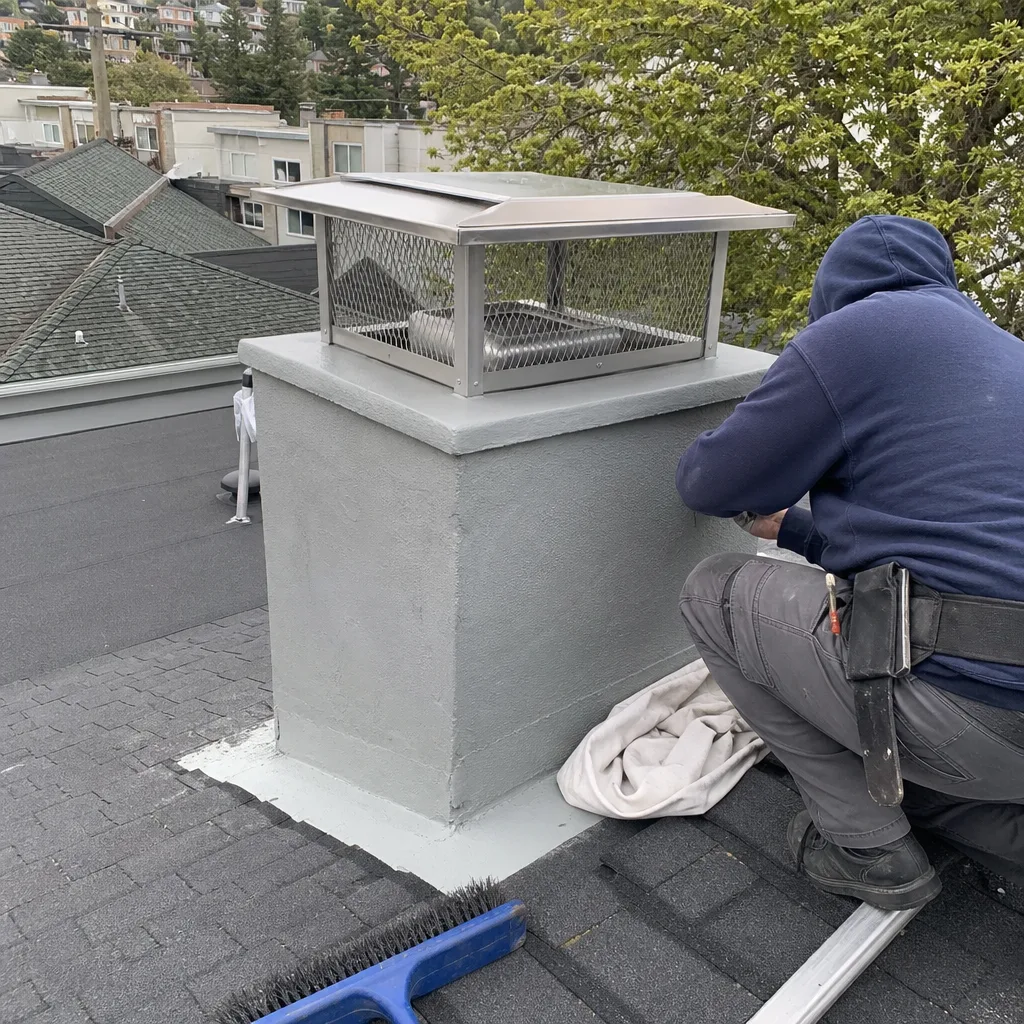
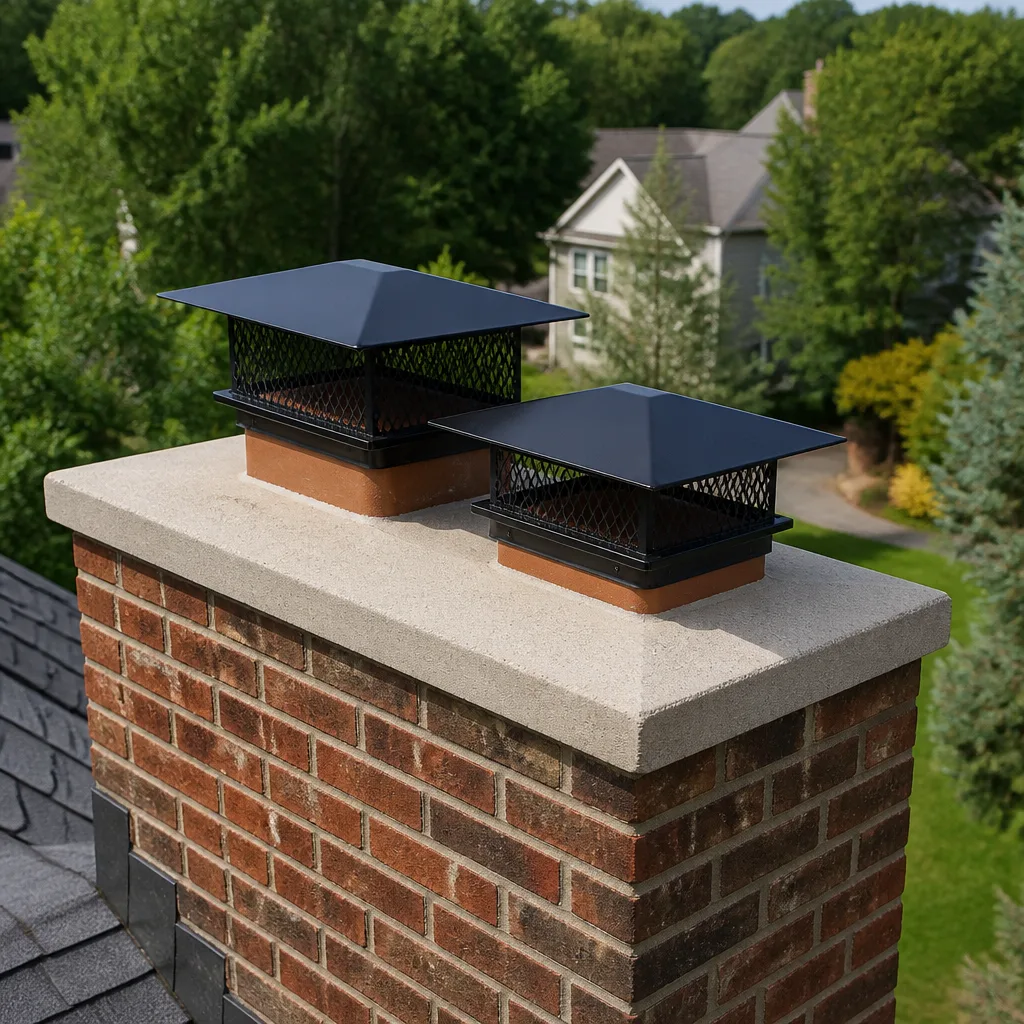 Caps & crowns
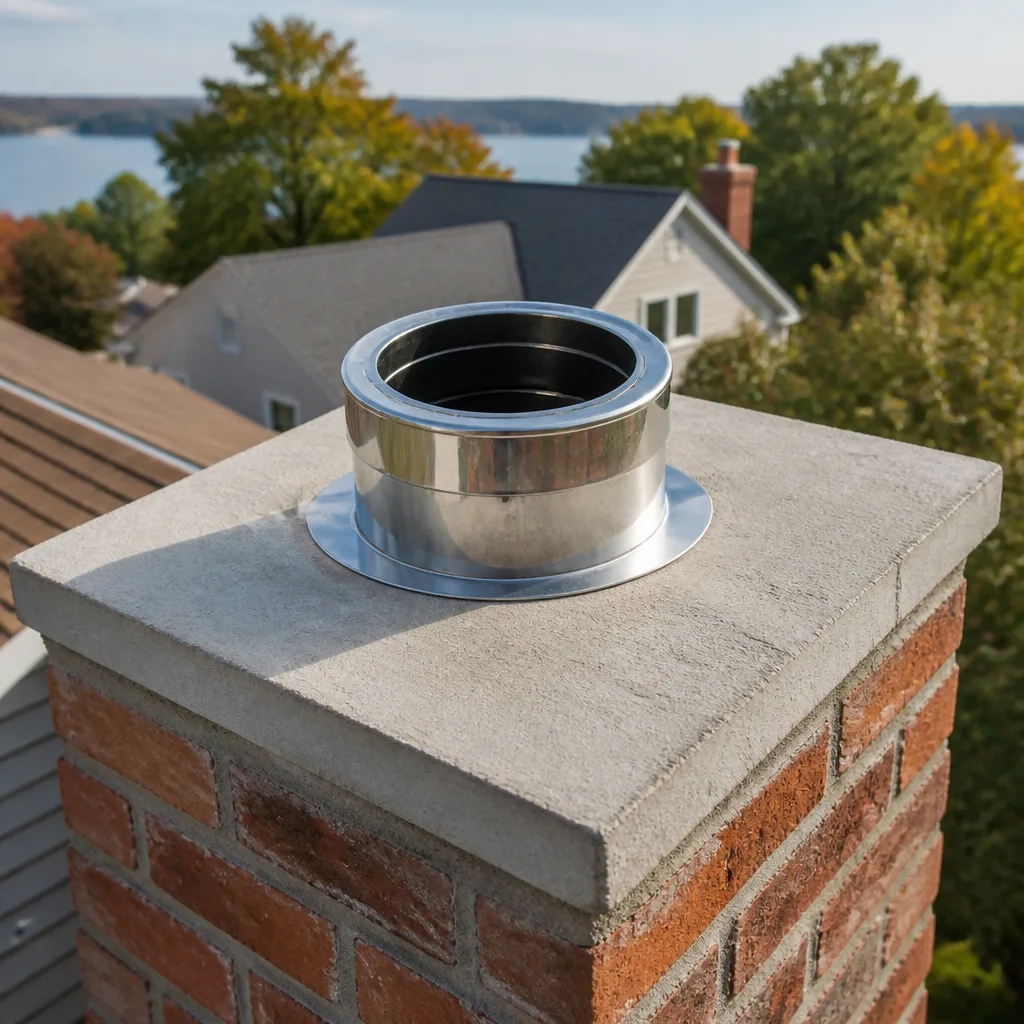 Flue relining
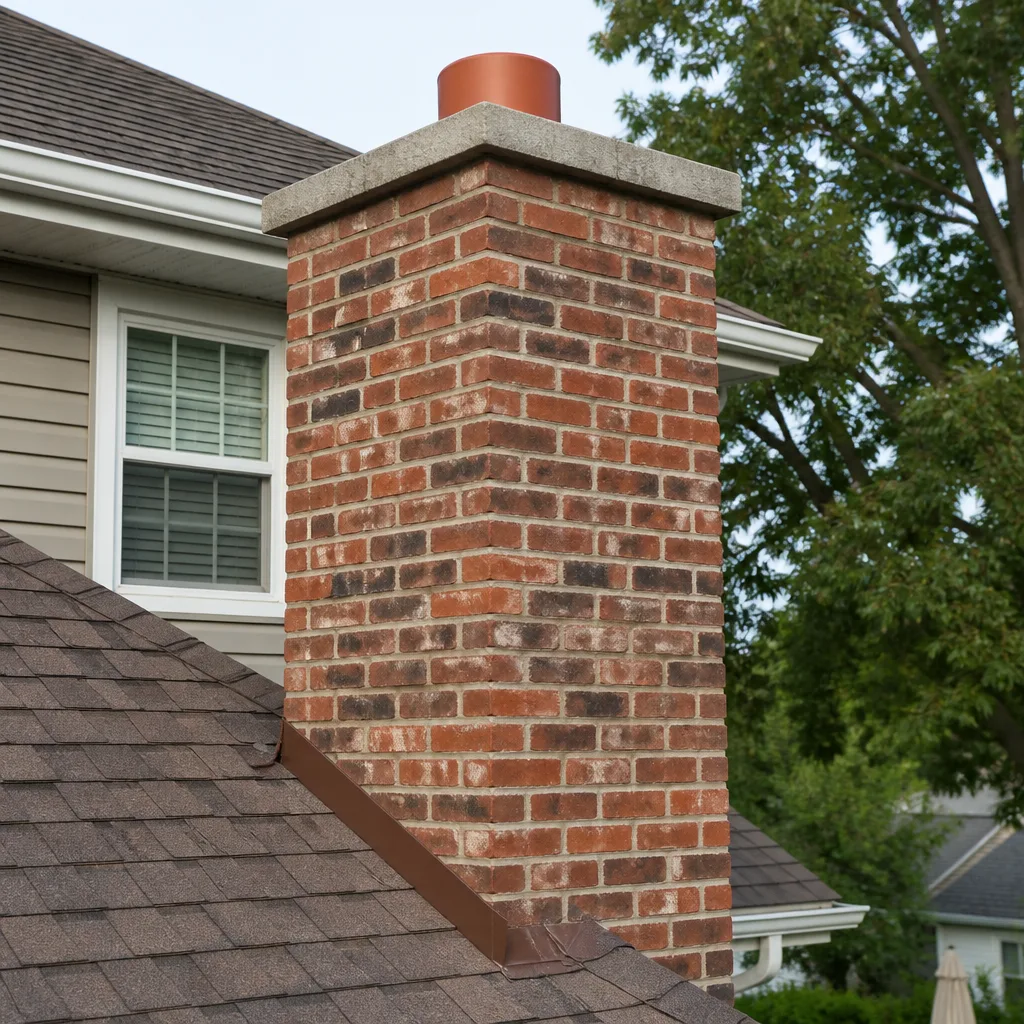 Masonry repair
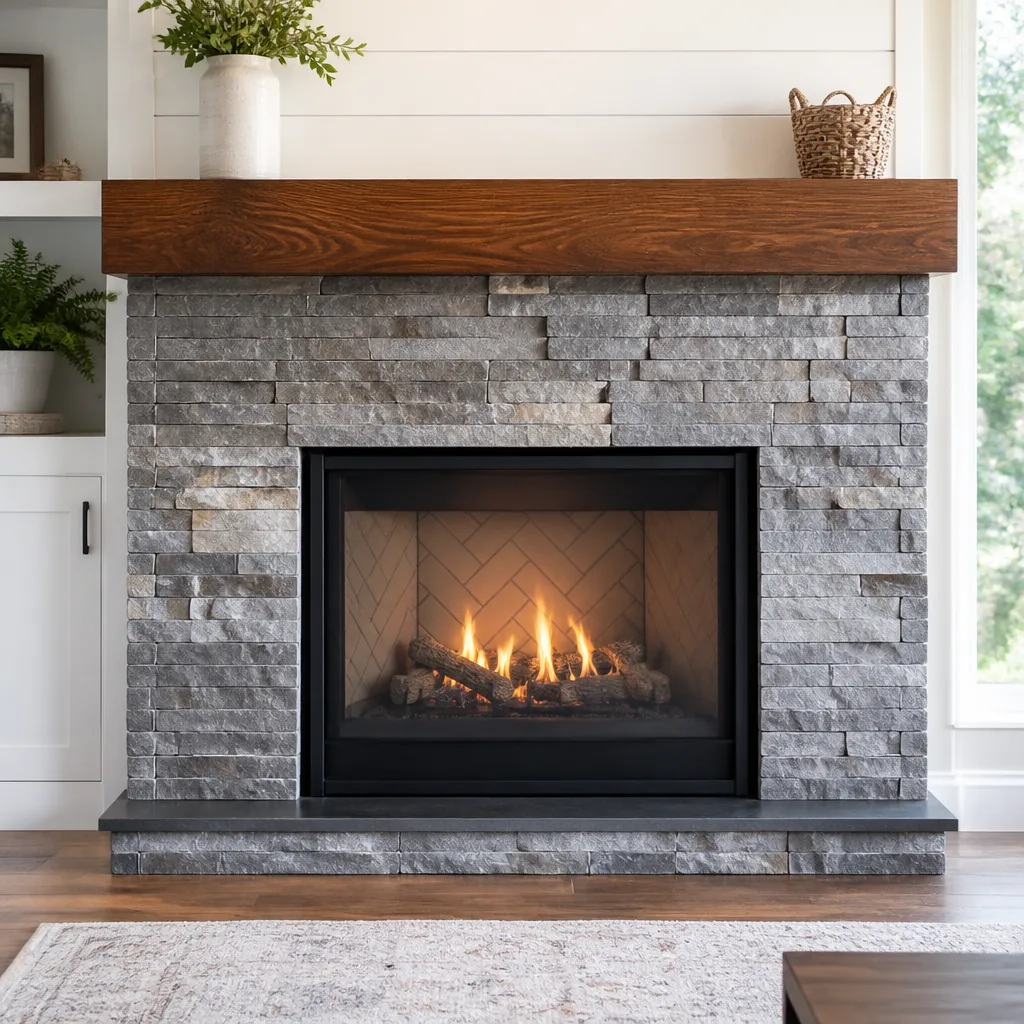 Gas fireplace service
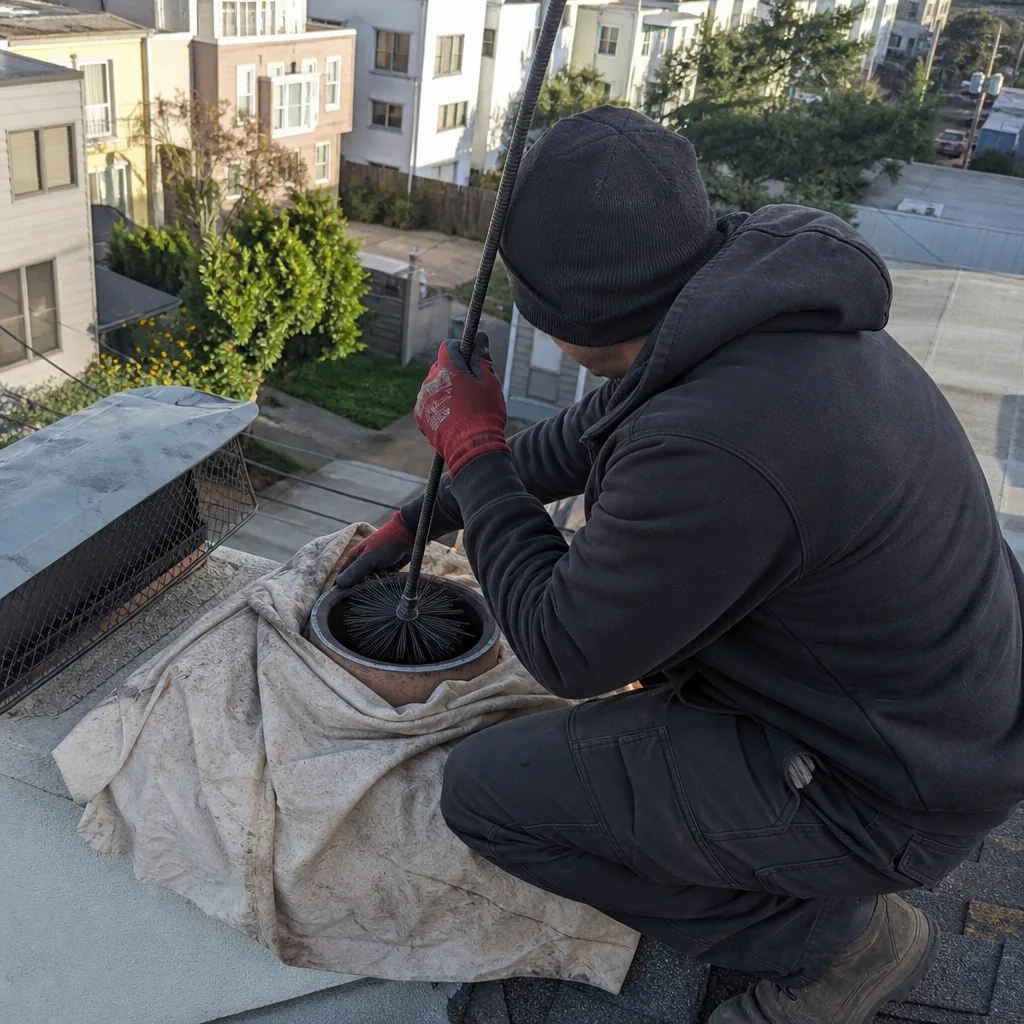
Level 1 sweep and inspection to the NFPA 211 annual standard - flue, crown, cap, and flashing checked and photographed
Chimney sweep logs do not sweep chimneys. They loosen some creosote - which then falls where a brush and vacuum still have to collect it.
Chimney Cleaning Warning Signs: A San Francisco Homeowner’s Reference Guide
Every winter, San Francisco homeowners light fires they shouldn’t. Not because the chimney is visibly broken, but because nobody ever told them which warning signs are cosmetic, which are maintenance items, and which mean the fireplace should go cold until a professional arrives. Most guides lump them all together, which is about as useful as a doctor who treats a hangnail and a heart attack with the same prescription. Here’s the thing: there are exactly two chimney warning signs that mean stop using the fireplace today, and everything else is a schedule-it-soon situation. This guide will tell you which is which, why each symptom happens, and what to do about it before your next fire.
Styles & brands we work with
Quick Answer
Most chimney warning signs in San Francisco fall into one of three buckets: stop using the fireplace immediately, schedule service within 30 days, or simply note and monitor. The two signs that require immediate shutdown are a sulfur or rotten-egg odor during a fire (possible gas leak or blocked flue venting combustion gases into the home) and visible cracks in the firebox (fire can reach combustible framing behind the brick). Everything else, from white staining on exterior brick to a sticky damper handle, is addressable on a normal service schedule.
Table of Contents
- The Three-Tier Severity Framework
- Stop Using Now: The Two Red-Alert Signs
- Schedule Within 30 Days: Maintenance-Level Warnings
- Note and Monitor: Cosmetic or Slow-Developing Issues
- San Francisco-Specific Warning Signs
- A Homeowner’s Guide to Chimney Smells
- Damper Problems: What Seized Feels Like
- Three Tests in Ten Minutes: Your Baseline
- Common Mistakes to Avoid
- When to Call a Professional
- Frequently Asked Questions
- The Bottom Line
The Three-Tier Severity Framework
Every chimney symptom fits into one of three categories, and the distinction matters more than most guides admit. A homeowner who treats a tier-three issue like a tier-one emergency wastes money on a service call they didn’t need. A homeowner who treats a tier-one issue like a tier-three annoyance is gambling with carbon monoxide exposure or a house fire. Here’s the framework we use at Alcott Chimney San Francisco home to help homeowners make that call before they pick up the phone.
Tier 1: Stop Using Now. These signs mean the fireplace or stove goes cold today, not after the weekend. There are exactly two: a sulfur smell during a fire, and visible cracks in the firebox. Both indicate that combustion gases or actual flame are reaching places they should never reach. We’ll detail both below. If you notice either, close the damper if it’s safe to do so, and call a chimney professional before lighting another fire.
Tier 2: Schedule Within 30 Days. These are real issues that will get worse, but don’t pose an immediate threat as long as you use the fireplace cautiously or not at all until service. This includes heavy creosote buildup you can feel as a rough, tar-like coating, strong smoke rollback into the room, white staining on exterior brick that appeared after a rainy season, and dampers that don’t open or close fully. A Chimney Sweep in San Francisco can typically resolve these in a single visit.
Tier 3: Note and Monitor. These are observations worth remembering, not emergencies. Light surface rust on a damper plate, hairline cracks in exterior mortar joints that haven’t widened in years, a faint smoky smell in the room after a fire that dissipates within an hour. These are talking points for your next annual inspection, not reasons to cancel dinner plans. In our experience inspecting homes across the city, from the Richmond to Bernal Heights, homeowners who track tier-three issues over time catch tier-two problems earlier than those who wait for an obvious failure.
The rest of this guide assigns common symptoms to their tier, explains the mechanism, and tells you exactly what to do next.
Stop Using Now: The Two Red-Alert Signs
Two warning signs override every other consideration. Here’s what they are, why they happen, and how to respond.
1. Sulfur Smell During a Fire
Sulfur, rotten eggs, or an acrid, chemical tang while a fire is burning is not creosote, not wood smoke, not “normal fireplace smell.” This odor means combustion gases are not drafting up the flue the way they should and are instead spilling into your living space. In a gas appliance, it can also indicate incomplete combustion or, in rare cases, a gas leak at a fitting near the appliance. Sulfur-based odorants are added to natural gas precisely so humans detect leaks. If you smell sulfur while a gas fireplace or gas log set is running, turn off the appliance at the wall switch and shut off the gas supply valve if you know where it is. Open a window. Then call a professional.
The mechanism that matters here is draft reversal or blockage. A flue plugged with nesting material, a collapsed liner section, or even a severely deteriorated chimney cap can prevent exhaust from rising. Instead, it banks down and spills out the fireplace opening, carrying sulfur compounds into the room. In a wood-burning fireplace, sulfur-adjacent smells can also come from burning wet or treated wood, but you should still verify the draft before assuming that’s the cause.
Stop-using-now response: extinguish the fire if safe to do so, ventilate, and schedule an inspection before the next use. A Chimney Inspection in San Francisco will identify whether the smell is draft reversal, a gas leak, or contaminated fuel.
2. Visible Cracks in the Firebox
A cracked firebox is a fire hazard plain and simple. The firebox is the brick or refractory-panel-lined chamber where the fire actually burns. Its job is to contain heat and flame. When cracks develop in the refractory panels or brick mortar joints, heat can reach the framing and insulation behind the masonry. Wood framing ignites at roughly 400 to 500 degrees Fahrenheit with repeated exposure, and a fireplace firebox routinely exceeds that temperature by a wide margin on its interior surface. The gap between the firebox and the wall is meant to stay cool, and a crack destroys that separation.
Hairline cracks under a quarter-inch wide in the mortar joints are often tier-three monitor items. Cracks in refractory panels, cracks that penetrate through the full thickness of a brick, or any crack that has expanded or is accompanied by loose material are tier-one problems. In earthquake country, and San Francisco sits on some of the most active fault lines in North America, the structural stress on chimney systems is real. What looks like a cosmetic crack after a tremor can be a sign that the firebox integrity has been compromised.
Stop-using-now response: do not build a fire. Close the damper, leave the glass doors closed if you have them, and schedule a professional inspection. Repairs range from a simple refractory panel replacement for a few hundred dollars to a full firebox rebuild into the low thousands, but neither is a justification for another fire before the fix.
Schedule Within 30 Days: Maintenance-Level Warnings
These signs warrant service on a standard schedule. You don’t need to panic, but you do need to act within about a month, and you should avoid heavy use of the fireplace in the interim. In our work across San Francisco, from Noe Valley Victorians to Marina District renovated condos, these are the most common issues we encounter.
Heavy Creosote Buildup You Can Feel
Creosote is the tar-like, flaky, or glossy residue left behind when wood smoke cools and condenses inside the flue. It’s the fuel for chimney fires. A fine, dusty coating is normal after a season of burning. A glaze-like, sticky coating you can scrape a coin along is not. Third-degree creosote, the glossy, tar-like kind, can ignite at around 1,000 degrees Fahrenheit and burn at temperatures that crack flue liners and catch roof framing on fire in minutes. If you shine a flashlight up the flue from the firebox and see a thick, dark, or shiny coating, schedule a sweep. A standard chimney sweep in San Francisco typically runs $180 to $340 before any repairs, depending on access, roof pitch, and flue condition.
Smoke Rollback Into the Room
If smoke spills into the living room on a regular basis when the fire is well-established, something is wrong with the draft. Occasional smoke during cold-start conditions is normal (you can warm the flue with a rolled-up newspaper held near the damper for 30 seconds before lighting). Persistent smoke rollback, particularly smoke that gets worse as the fire grows, suggests a blockage, a damper that isn’t opening fully, or a structural issue like a flue that’s too short for the surrounding roofline. This is more common in San Francisco than homeowners expect because wind pressure off the Pacific plays havoc with marginal draft. On especially windy days in the Sunset and Richmond districts, even a healthy chimney can puff smoke back into the room. But if it happens every time, on calm days too, the flue needs evaluation.
White Efflorescence Appearing After Rainy Season
We’ll go deeper into this below in the San Francisco-specific section, but the short version is: white, chalky staining on exterior brick is water-soluble salts migrating to the surface, not mold, not structural rot by itself. It means water is entering the masonry, and that water is worth addressing on the same schedule as a sweep or inspection, especially if it appeared after heavy winter rains. Left unaddressed, water intrusion leads to spalling (brick faces popping off), deteriorated mortar joints, and in freezing conditions, significant masonry damage. San Francisco rarely hard-freezes, but water-damaged brick degrades steadily regardless of temperature.
A Damper That Won’t Move or Won’t Stay Put
Dampers fail two ways: they seize in place due to corrosion or creosote-caked hinge points, or they stop holding their position because the linkage has worn. Both have the same practical effect: you can’t control the draft. A damper stuck open in a San Francisco summer lets fog-damp air into the chimney, which condenses on creosote deposits and produces that distinctive musty fireplace smell. A damper stuck closed makes lighting a fire dangerous. Either way, the repair is usually straightforward, often under $300 for adjustment or replacement of the damper plate or cable assembly.
Strong Downdrafts From a Specific Direction
If the fireplace draws fine on calm days but puffs smoke whenever the wind comes from a particular direction, the problem is likely chimney height, cap design, or nearby construction that changed the wind pattern around your roof. San Francisco’s hills create microclimates where wind blows consistently from one or two directions most of the year. A chimney that was perfectly functional when the house was built in 1925 can become a downdraft machine after a four-story building goes up across the alley. Solutions range from a taller flue extension to a specialty cap or an engineered draft inducer. The first step is confirming the causal wind direction, which a technician can do during a site visit.
If any of these sound familiar, a Chimney Sweep in San Francisco can assess and resolve them in one appointment. All of these are tier-two issues: real, worsening, and fully resolvable without drama.
Note and Monitor: Cosmetic or Slow-Developing Issues
Not everything that looks like a problem is a problem. Here are the warning signs we’d consider tier three, worth noting mentally or in a home-maintenance log and mentioning at your next annual inspection.
Light Surface Rust on a Damper Plate
Rust on the metal damper plate is inevitable in a San Francisco chimney. It’s damp here most of the year, and humid fog air rises into the flue during summer. Surface rust alone, meaning rust that hasn’t eaten through or structurally compromised the plate, is a monitor item. When rust leads to perforation or flaking at hinge points, it graduates to tier two.
Hairline Cracks in Exterior Mortar Joints
Mortar joints between exterior bricks crack over time as the house settles, the temperature cycles, and minor seismic shifts accumulate. Hairline cracks that haven’t widened in years, that show no signs of water staining around them, and that don’t align vertically up the chimney (a sign of structural shifting rather than cosmetic settling) are tier three. Document them with a photo on your phone, note the date, and compare next year. Vertical crack patterns wider than a dime are a different matter and should be evaluated on a standard schedule.
Faint Musty Smell From the Fireplace in Summer
That damp, woody smell when the fireplace hasn’t been used in months is creosote absorbing fog-season moisture, not a defect. It’s the smell of an unlined or older chimney doing what older chimneys do in a maritime climate. It becomes a tier-two issue if the smell is strong enough to fill the room, or if it persists after a thorough sweep, which suggests water intrusion rather than condensation. A chimney cap with a properly sized mesh screen reduces summer dampness by limiting direct fog intrusion.
Spalled Brick Faces on the Exterior Crown
Spalling, where the face of a brick pops off leaving a rough, recessed surface, is water damage in progress. But it’s slow, and San Francisco’s climate keeps it slower. A few spalled faces on the exterior chimney are a monitor item, not an emergency, unless they’re accompanied by loose brick, crumbling mortar, or visible water staining inside the flue. At that point, a repair within the season makes sense.
San Francisco-Specific Warning Signs
Not all chimney warning signs translate from national advice to San Francisco reality. Here are the ones we see most often in homes across the city, and why they’re either under-diagnosed or misdiagnosed by generic checklists.
White Efflorescence on Exterior Brick: Cosmetic or Structural?
After any given San Francisco rainy season, homeowners across the Sunset, Richmond, and Visitacion Valley call us about white chalky staining on their exterior chimney brick. The common fear is mold. In almost every case it’s efflorescence: water-soluble salts from the mortar or brick dissolving as water permeates the masonry, wicking to the surface, and crystallizing as white powder when the water evaporates. It’s not toxic, not mold, and not structurally dangerous by itself.
But here’s the part most guides miss: efflorescence is a symptom of water entry, and water entry in a San Francisco chimney means your brick is absorbing fog and rain moisture through the crown, mortar joints, or brick faces. Over years, that moisture dissolves the cementitious binders in the mortar, accelerates spalling, and eventually widens gaps that let more water in. A sweep or inspection will identify whether the water is entering through a cracked crown, deteriorated counterflashing at the roofline, or simply porous brick that would benefit from a breathable masonry sealer. The white staining is tier three, but the water driving it is tier two.
Draft Problems Caused by Wind Pressure, Not Blockage
Draft mechanics are simple: warm air rises, drawing exhaust up the flue. But air pressure around the home can fight that process, and nowhere in the Bay Area is that more true than in San Francisco’s west-side neighborhoods. Coastal wind hitting a roofline creates pressure differentials that overpower marginal draft. Homes in the Avenues, up against the fog belt, experience downdrafts and smoke rollback with chimneys that would draft perfectly in, say, Potrero Hill on the same day.
This matters because it changes the diagnosis. A homeowner in the Outer Sunset with persistent smoke rollback might assume the flue is blocked and call for a sweep. But if the flue is clean and the problem persists only when the wind blows from the northwest, the real fix is a draft-improvement solution: a taller flue extension, a specially designed cap, or in severe cases a powered draft inducer. A good Chimney Inspection in San Francisco includes observing the chimney’s performance under the conditions that cause the problem, not just checking for creosote.
Fog Season Corrosion and the Infrequently Used Fireplace
The San Francisco paradox is that many homes have fireplaces that are used five or six times a year, mostly between November and January. The rest of the year they sit cold and dark while fog pours through the city. Unused fireplaces, counterintuitively, develop problems faster than used ones in this climate. Dampers corrode. Creosote absorbs moisture and solidifies into a harder, more tenacious coating that’s more difficult to sweep than freshly deposited creosote. Metal components rust. And because no one is looking inside, problems compound invisibly.
If your fireplace gets seasonal use, the most important warning sign is simply elapsed time. More than two years since the last sweep or inspection means you’re flying blind, and San Francisco’s climate is quietly working against you during every foggy week you ignore it. For gas fireplaces, we handle diagnostics, pilot problems, and burner issues as part of our Gas Fireplace Repair in San Francisco service, and we recommend an annual check even if the unit has been dormant.
A Homeowner’s Guide to Chimney Smells
Smell is the most useful diagnostic tool a homeowner has, but only if you know what each smell means. Here’s a practical guide to the three chimney smells that get confused with each other, and one smell you’ll never detect at all without a detector.
Creosote: Musty, Woody, Oily
Creosote smells like a campfire that’s been damp for a week. It’s organic, somewhat acrid, and strongest near the fireplace opening. It’s most noticeable in summer, when humidity in the flue reactivates the odor compounds. It can also be stronger on warm days after a period of rain. The smell itself is a maintenance issue: a sweep removes the creosote and the smell with it, usually in the same visit. A standard sweep, as noted above, runs $180 to $340 in San Francisco, though any additional findings from the inspection that accompanies it can add to the total, always with a written price before work starts.
Gas Combustion: Sulfur, Rotten Eggs
This is the red-alert smell described in the tier-one section. It means either a draft failure that’s pulling exhaust into the room or a gas leak near the appliance. If you smell this while a gas fireplace is running, turn it off and ventilate. The distinction between creosote and sulfur is usually obvious to most noses, though some homeowners describe sulfur as “like lit matches” rather than rotten eggs. Either way, treat it as serious until proven otherwise.
Carbon Monoxide: Odorless
Carbon monoxide has no smell. It has no taste. It binds to hemoglobin in the blood with roughly 200 times the affinity of oxygen, which is why it kills people who were simply sitting in a warm room. The only reliable warning is a functioning CO detector installed per manufacturer guidance near sleeping areas and on each floor of the home. In the context of chimneys, CO becomes a concern when the flue is blocked, the damper is closed during a fire, or the appliance is malfunctioning. If your CO detector alarms, ventilate, evacuate, and call the appropriate emergency services. The chimney can be evaluated afterward.
Quick diagnostic rule: if you smell it, and it smells like damp campfire, it’s creosote. If you smell it, and it smells like sulfur or struck matches, it’s combustion gas or a gas leak. If you don’t smell anything but your CO detector is going off, get outside and call for help.
Damper Problems: What Seized Feels Like
The damper is a metal flap or plate inside the throat of the fireplace that opens to let exhaust up the flue and closes to keep outside air from coming down. Most dampers are operated by a lever or chain near the firebox, and they fail in predictable ways that San Francisco homeowners with infrequently used fireplaces see more often than anyone else.
A seized damper feels like a lever that won’t move, or a chain that pulls and then stops dead. The mechanism is corrosion combined with creosote caking on the hinge points. It’s more common on the coast because moist, salty air accelerates the rusting. If the damper is stuck closed, you can’t safely light a fire. If it’s stuck open, you’ll notice drafts coming down the chimney, a cold room near the fireplace, and possibly that musty chimney smell. The fix typically involves cleaning the hinge, lubricating with a high-temperature graphite lubricant, and in some cases replacing the damper plate entirely.
A failed damper linkage feels different: the lever moves, but there’s no resistance, and the plate doesn’t respond. The connecting rod has either detached from the damper plate or the threaded hardware has vibrated loose. This is common after seismic activity or simply years of thermal expansion and contraction. The repair is usually simple and inexpensive, though the damper must be inspected to confirm the plate itself hasn’t rusted through.
A damper that opens but won’t stay open usually has a worn friction mechanism or a damaged linkage that allows the plate to drift closed as the chimney warms. This creates a dangerous situation where the fire is burning normally, the damper slowly closes, and smoke spills into the room. If you notice this, stop using the fireplace until it’s repaired. In our experience across San Francisco, this is one of the most underreported warning signs because homeowners assume any smoke rollback is just “the way fireplaces are” in an old house. It isn’t, and the fix is typically under $300.
Three Tests in Ten Minutes: Your Baseline
Before you call a professional, here are three tests you can do in about ten minutes to establish a baseline understanding of your chimney’s condition. They won’t replace an inspection, but they’ll give you useful information to relay to the technician and help you decide if a service call is urgent.
1. The Paper Test (Draft Check)
Wait for a cool day when the fireplace hasn’t been used for at least 24 hours. Open the damper fully. Roll a single sheet of newspaper into a tight tube, light one end, and hold it inside the firebox near the damper opening. Watch the smoke. If it rises smoothly up the chimney, your draft is functional. If it curls into the room or stagnates, you have a draft problem that needs evaluation. This test is most informative on a still day; wind-driven draft behavior requires its own evaluation under actual conditions.
2. The Smoke Test (Leak Check)
On a day when the wind is calm, light a small test fire using dry kindling and a piece or two of well-seasoned wood. Watch the first five minutes carefully. Some smoke entering the room during cold start is normal while the flue warms. But if smoke continues to spill into the room after 10 minutes of steady burning, or if you smell smoke in other rooms of the house, the flue needs professional attention. Never run this test if you’ve already noticed sulfur smells or firebox cracks, for reasons that should be obvious.
3. The Flashlight Inspection (Visual Check)
Put on safety glasses and an N95 mask, open the damper, and shine a bright flashlight up the flue from inside the firebox. What you’re looking for: visible buildup that looks like tar or thick flakes, obstruction from nesting material or debris, and any visible cracks in the flue liner. Also inspect the firebox itself with the flashlight: panel cracks, loose brick, gaps in mortar joints. If you see any of these, make note. This is information your Chimney Sweep in San Francisco will want to know before they arrive, and it gives you a baseline for comparison after the sweep.
These three tests take ten minutes and cost nothing. They’re not a substitute for a camera inspection, which is the only way to see the full length of the flue interior, but they’ll tell you whether your concern is urgent or routine. If the tests reveal any tier-one or tier-two issues, call a professional with your notes in hand.
Common Mistakes to Avoid
- Ignoring white efflorescence because it’s “cosmetic.” It is cosmetic, but it’s signaling water entry that will eventually cause structural damage. Treat the stain as an early warning system, not a paint problem. Schedule an evaluation before the next rainy season.
- Burning wet or unseasoned wood to save money. Wet wood produces dramatically more creosote per fire and doesn’t actually save anything, since you burn more of it for the same heat. Buy seasoned hardwood, store it off the ground and covered, and your chimney will thank you.
- Assuming smoke rollback is normal for an old house. Some smoke during cold start is normal. Persistent smoke through the entire burn is not, no matter how old the house is. In our experience across San Francisco, from 1906-era Victorians to mid-century flats, persistent rollback always has a mechanical cause that can be fixed.
- Closing the damper to “keep the heat in” while embers are still glowing. The damper should stay open until the fire is completely out. Closing it early sends exhaust and carbon monoxide into the house. If you’re concerned about heat loss, consider glass doors, which allow the damper to remain open while retaining most of the room heat.
- Using the fireplace as an extra furnace. Fireplaces are not designed for continuous, high-volume burning. A roaring fire for hours at a time, day after day, stresses the firebox, accelerates creosote accumulation in cooler flue sections, and shortens the lifespan of the damper and liner. Use the fireplace for what it is: occasional recreational burning with the maintenance schedule to match.
- Skipping the inspection because you only use the fireplace “a few times a year.” Infrequent use doesn’t mean less maintenance in San Francisco. Fog-season moisture corrodes dampers, rusts metal components, and compacts creosote into harder deposits regardless of how often you burn. If anything, infrequently used fireplaces need more consistent annual attention, since problems develop invisibly.
When to Call a Professional
Call a chimney professional when you notice any tier-one warning sign, whether that’s a sulfur smell during a fire or visible cracks in the firebox. For those, the response is simple: stop using the fireplace and schedule an inspection. You should also call if your fireplace hasn’t been inspected in more than two years, regardless of how little you’ve used it, because San Francisco’s fog and damp air degrades chimneys even when they sit idle. If your damper sticks, your smoke alarms intermittently chirp without a battery explanation, or efflorescence appears on your exterior brick and you want to know whether it’s cosmetic or meaningful, that’s also a service call. Alcott Chimney San Francisco home offers free estimates in San Francisco and answers every call with a live person, day or night. You’ll receive a written price before any work begins, with no surprises at the end of the job.
Frequently Asked Questions
A standard chimney sweep in San Francisco typically runs $180 to $340 before any repairs, depending on roof access, chimney height, and the severity of creosote buildup. At Alcott Chimney San Francisco, you’ll receive a written price before any work begins, so the number you see is the number you pay. For an exact quote based on your chimney, call (831) 534-3789, and a real person will answer.
If you see thick, tar-like creosote when you shine a flashlight up the flue, or smoke rolls back into the room on a regular basis, you need a cleaning. If everything looks normal but it’s been more than a year since anyone evaluated the flue, schedule an inspection. The two services are usually done together. In San Francisco, annual inspections are worth the cost even for lightly used fireplaces because fog and moist air accelerate hidden corrosion.
Yes, a blocked chimney can force combustion gases back into the home, and carbon monoxide is odorless and invisible. The primary defense is a functioning CO detector on every floor of the house, not near the fireplace itself but in sleeping areas and common spaces. Second to that, an annual inspection catches blockages before they become emergencies. If your CO detector alarms, ventilate and evacuate, then evaluate the chimney after the immediate danger is over.
It’s almost always efflorescence: water-soluble salts migrating to the surface of the brick as water moves through the masonry. It appears most often after rainy season and in fog-exposed areas like the Sunset and Richmond districts. It’s not mold and not dangerous by itself, but it signals that water is entering the masonry. The fix depends on where the water is coming from, and an inspection will identify it. Call (831) 534-3789 for a free estimate.
The National Fire Protection Association recommends a sweep and inspection whenever creosote reaches 1/8-inch of accumulation, and at least annually. Practically speaking, if you burn more than three or four cords of wood a year, or burn unseasoned wood, you may need sweeping mid-season. In San Francisco, even fireplaces used only on holidays benefit from an annual inspection because corrosion and moisture ingress occur regardless of burn frequency.
A professional chimney sweep uses dust containment systems that keep the interior clean, not the trash-bag-and-hope approach. Ask the company whether they lay drop cloths, run HEPA vacuums, and clean the firebox after sweeping. Alcott Chimney San Francisco includes full site protection and cleanup as standard practice, and every job ends with the firebox ready for use. You’ll know the technician’s name and see their photo before we arrive, and they’ll show an ID badge at the door, every time.
The Bottom Line
Most chimney “warning signs” are not emergencies, but the distinction between the two that are and everything else is the difference between a maintenance call and a real safety problem. A sulfur smell and visible firebox cracks mean stop burning today. Everything else fits into a schedule-within-30-days or note-and-monitor category, and this guide should help you make that call confidently. In San Francisco’s climate, the natural enemies are fog, salt air, and seismic shifts, not the fire itself, which is why annual inspections matter even for disused fireplaces. If you notice any of the signs described here, or if your last inspection is a foggy memory, call (831) 534-3789. A real person answers, you’ll get a written price before work starts, and you’ll know exactly who’s coming to your door before the truck arrives.
Written by Ruben Castellano, Owner at Alcott Chimney San Francisco, serving San Francisco since 2002.
See the difference
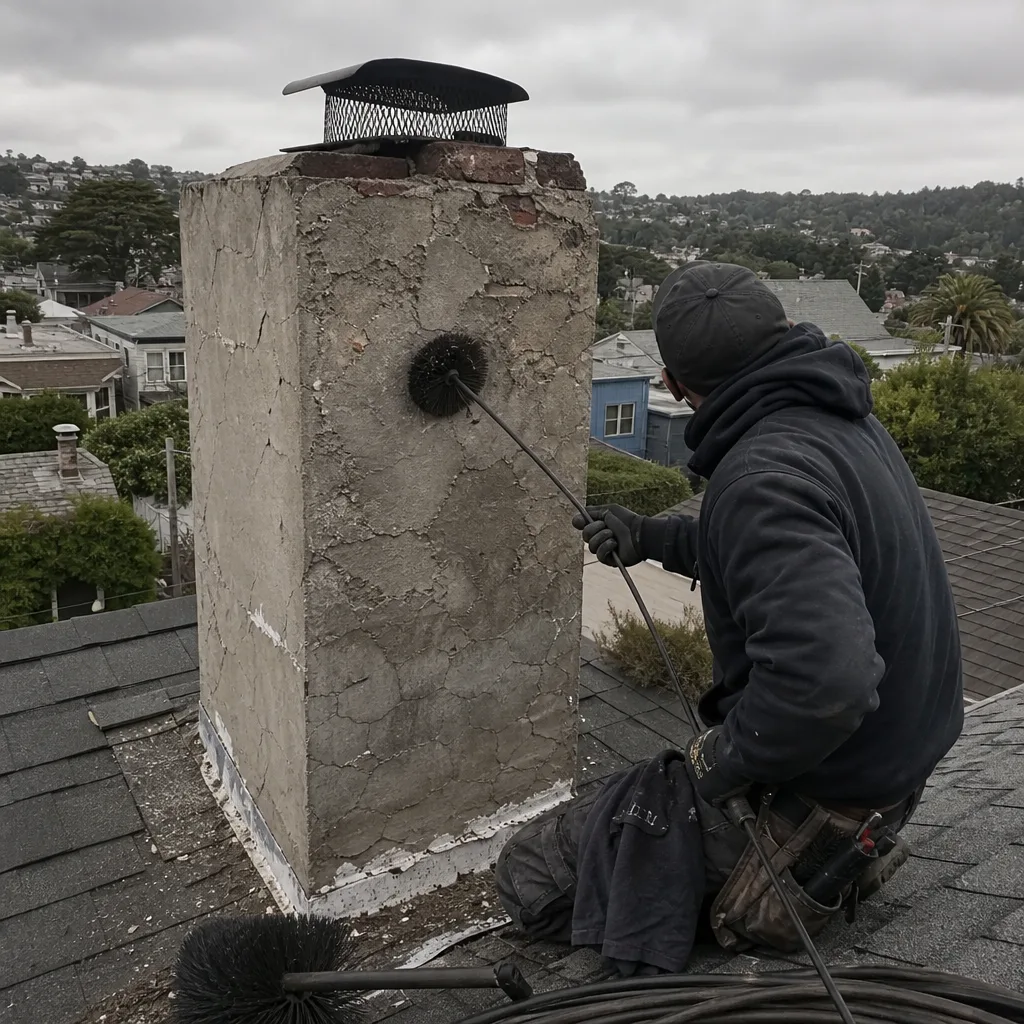 Before
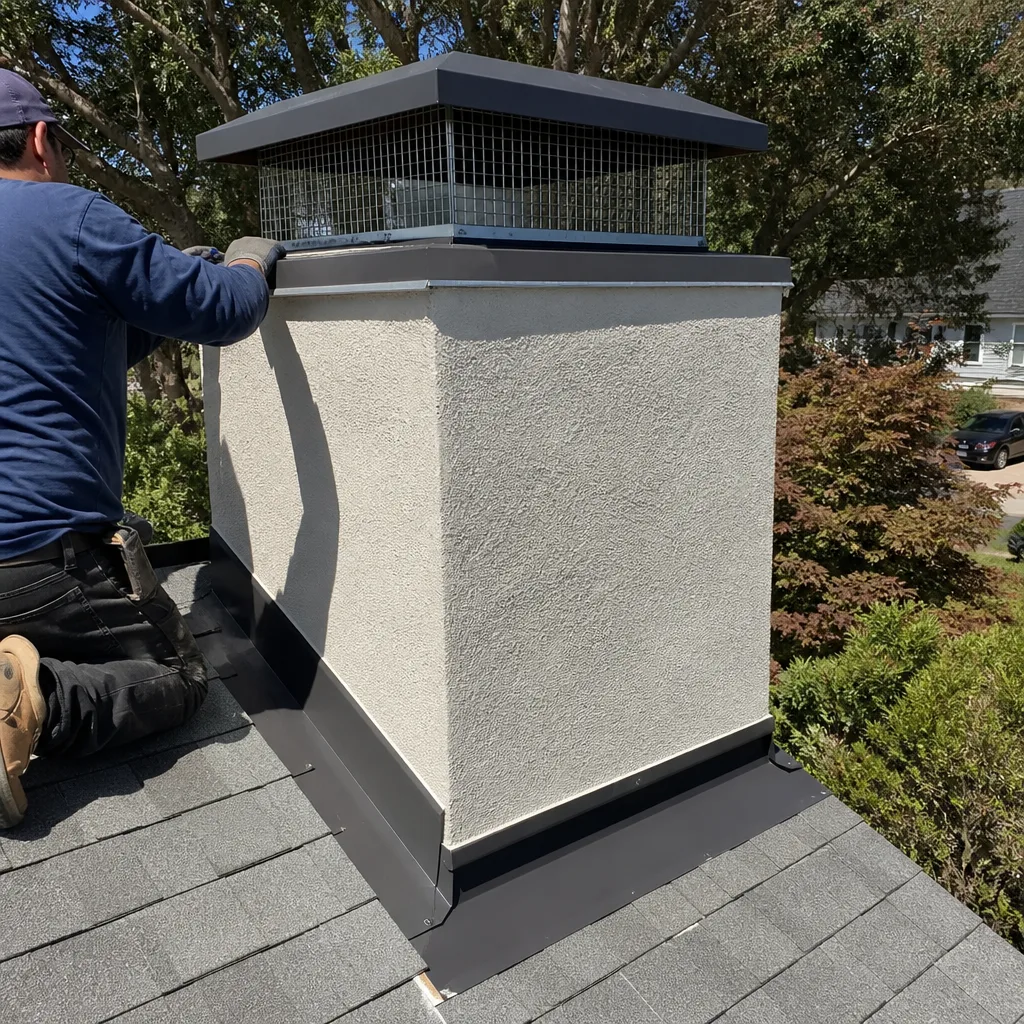 After
After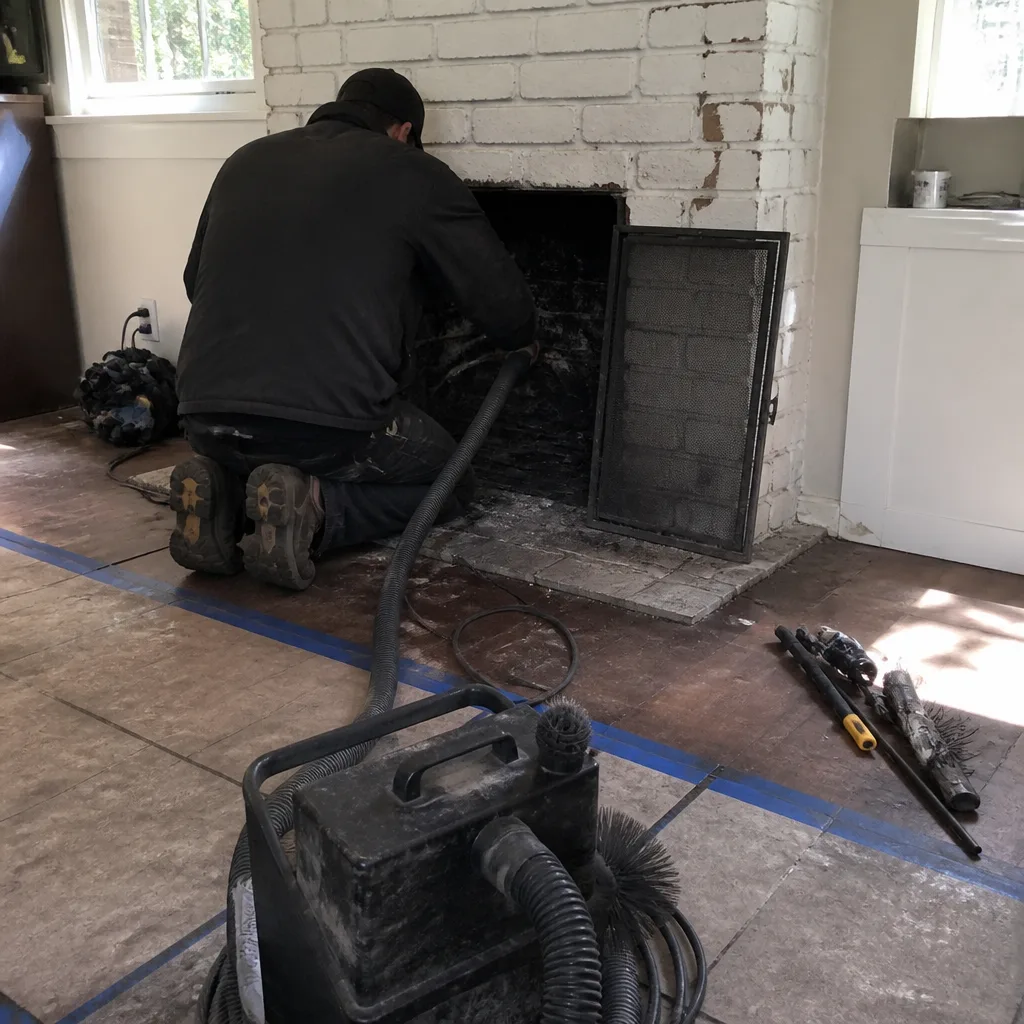 Before
 After
After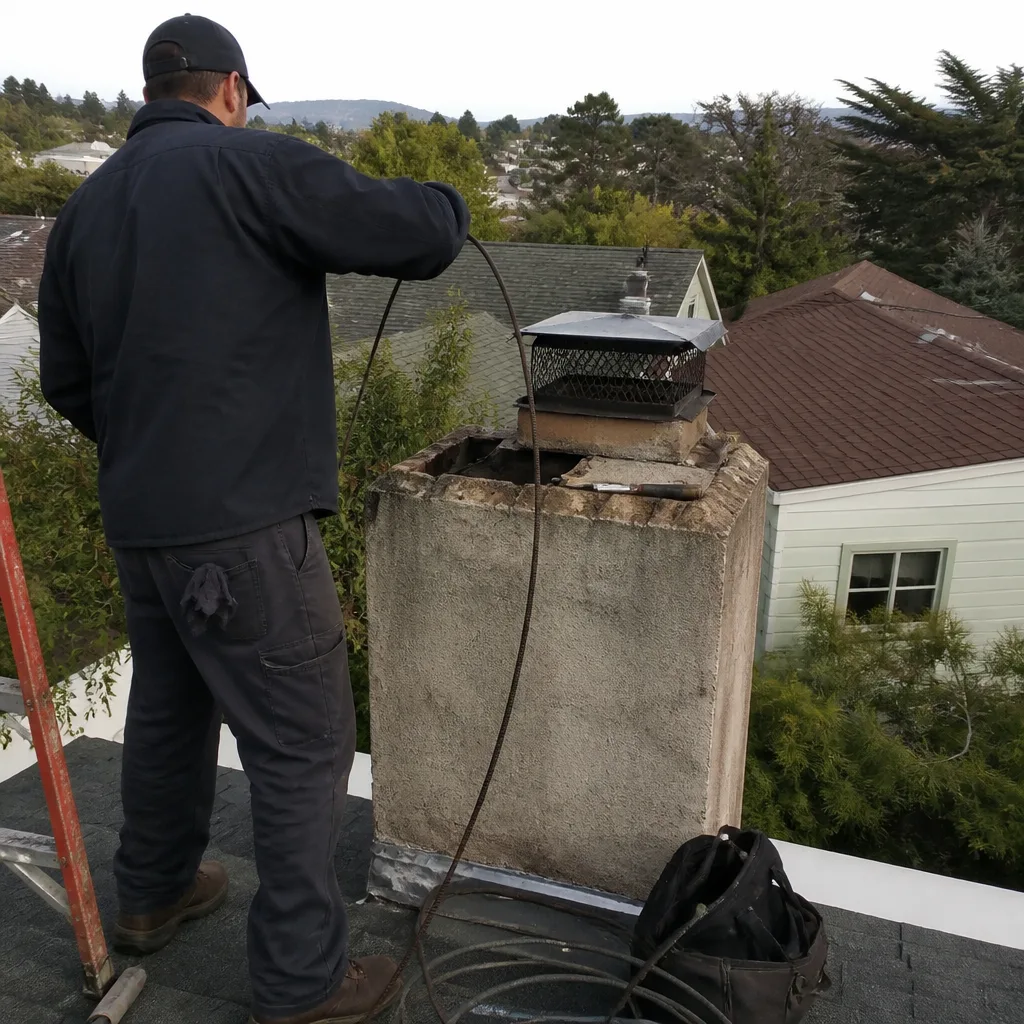 Before
 After
After