
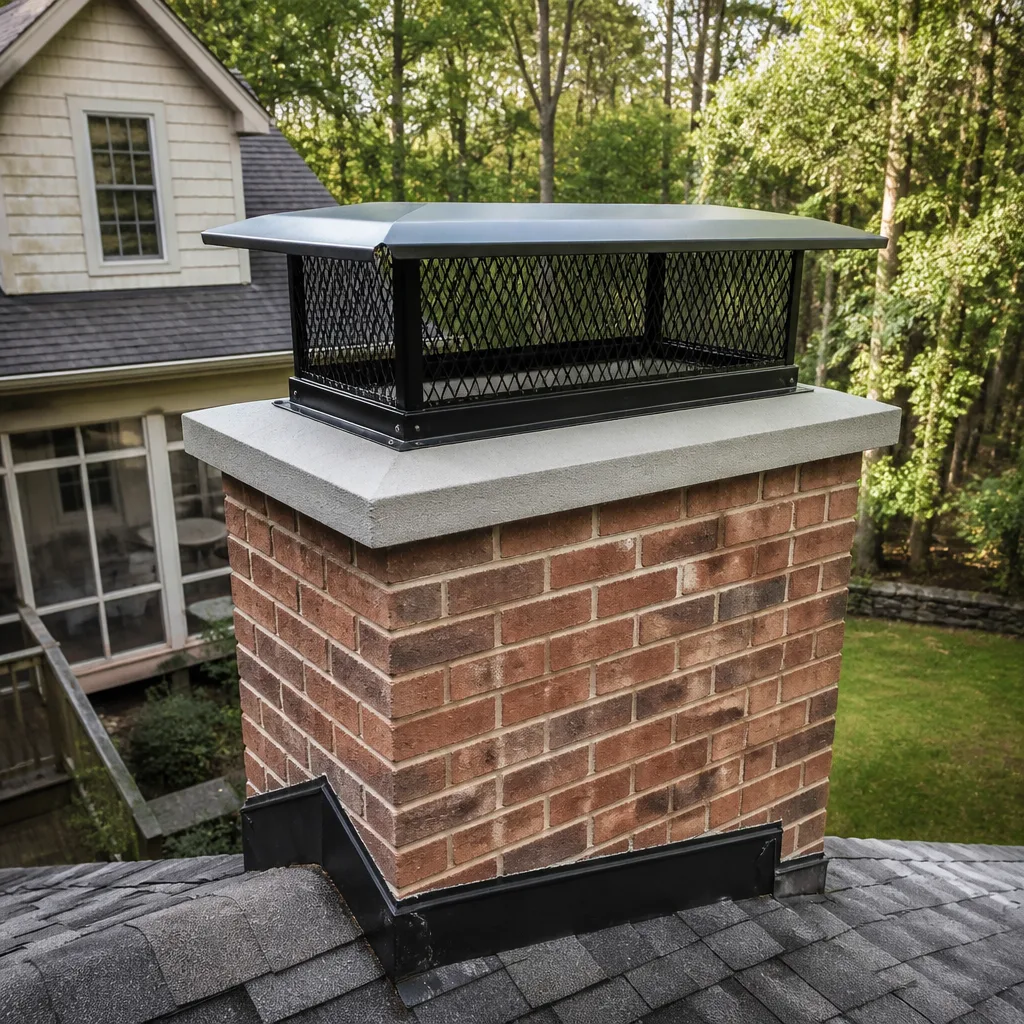
 Sweep & inspection
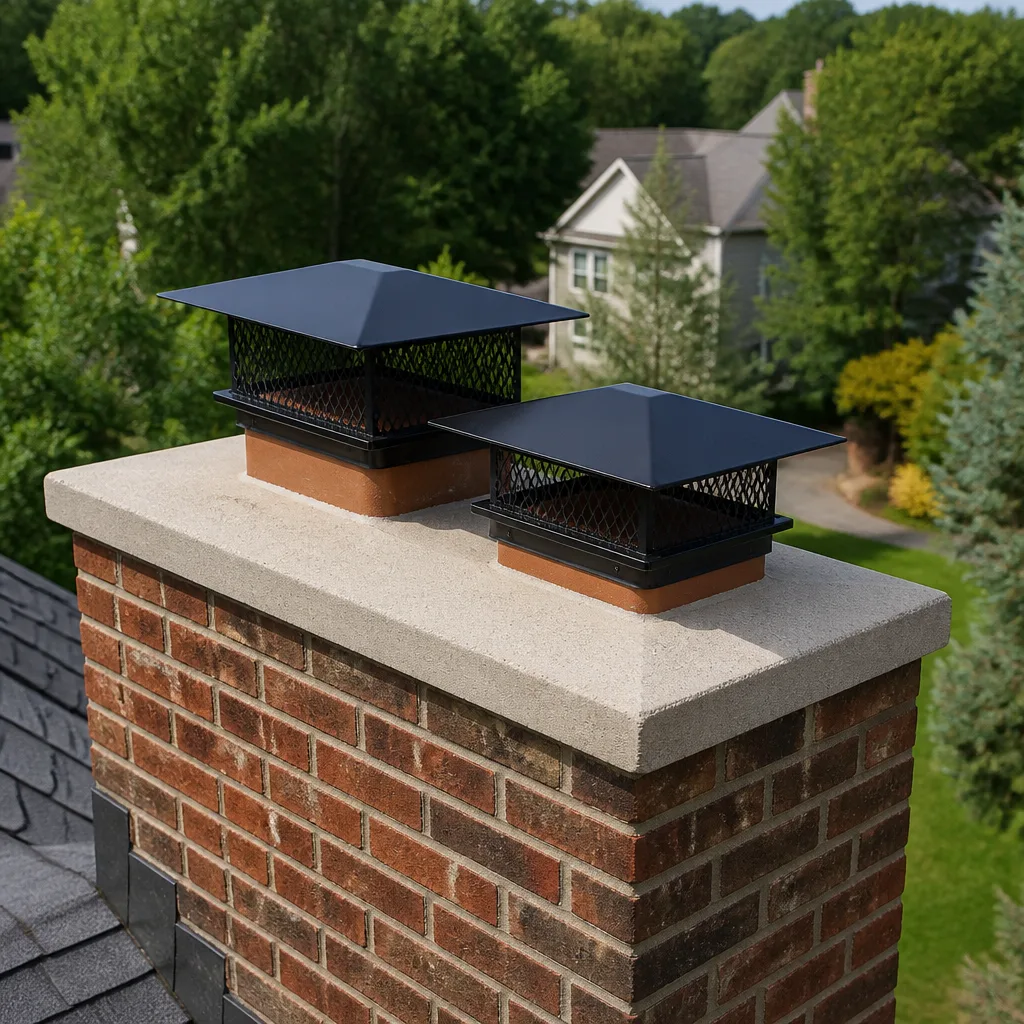 Caps & crowns
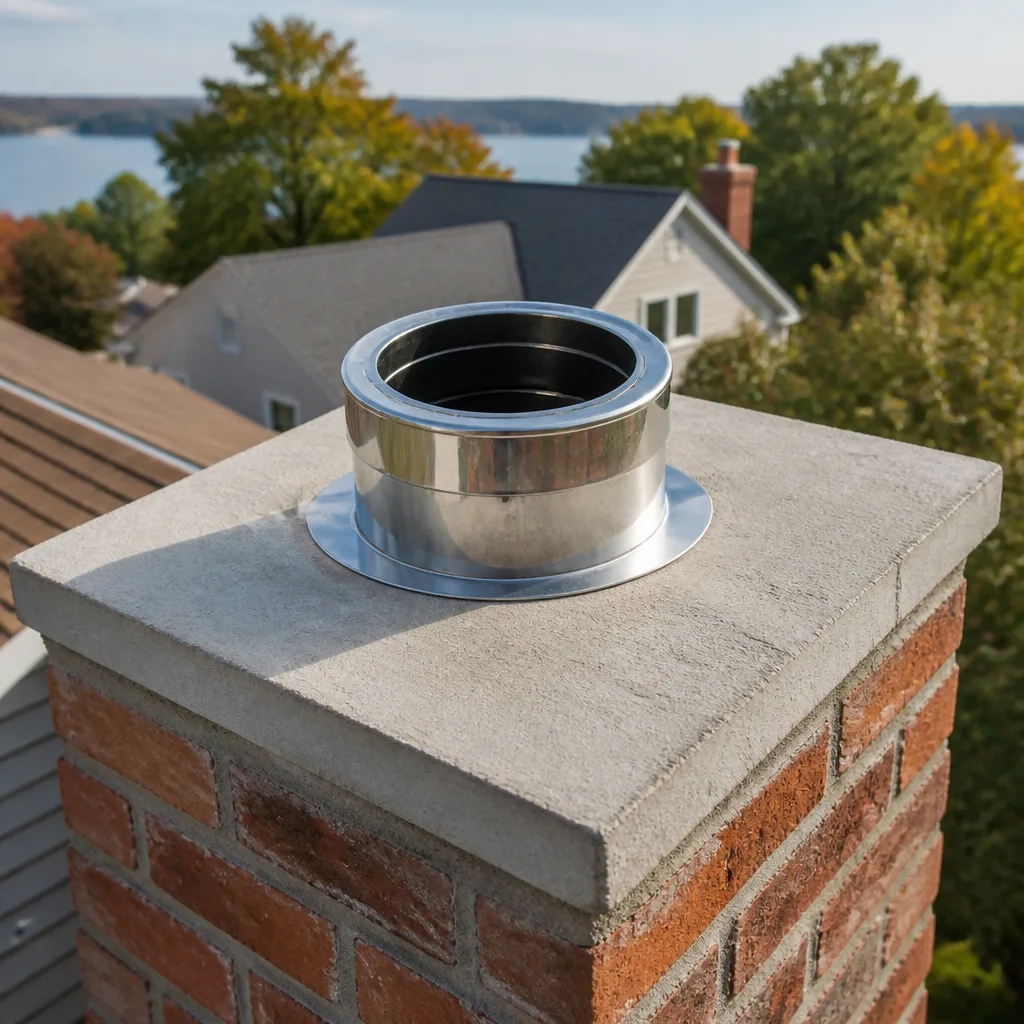 Flue relining
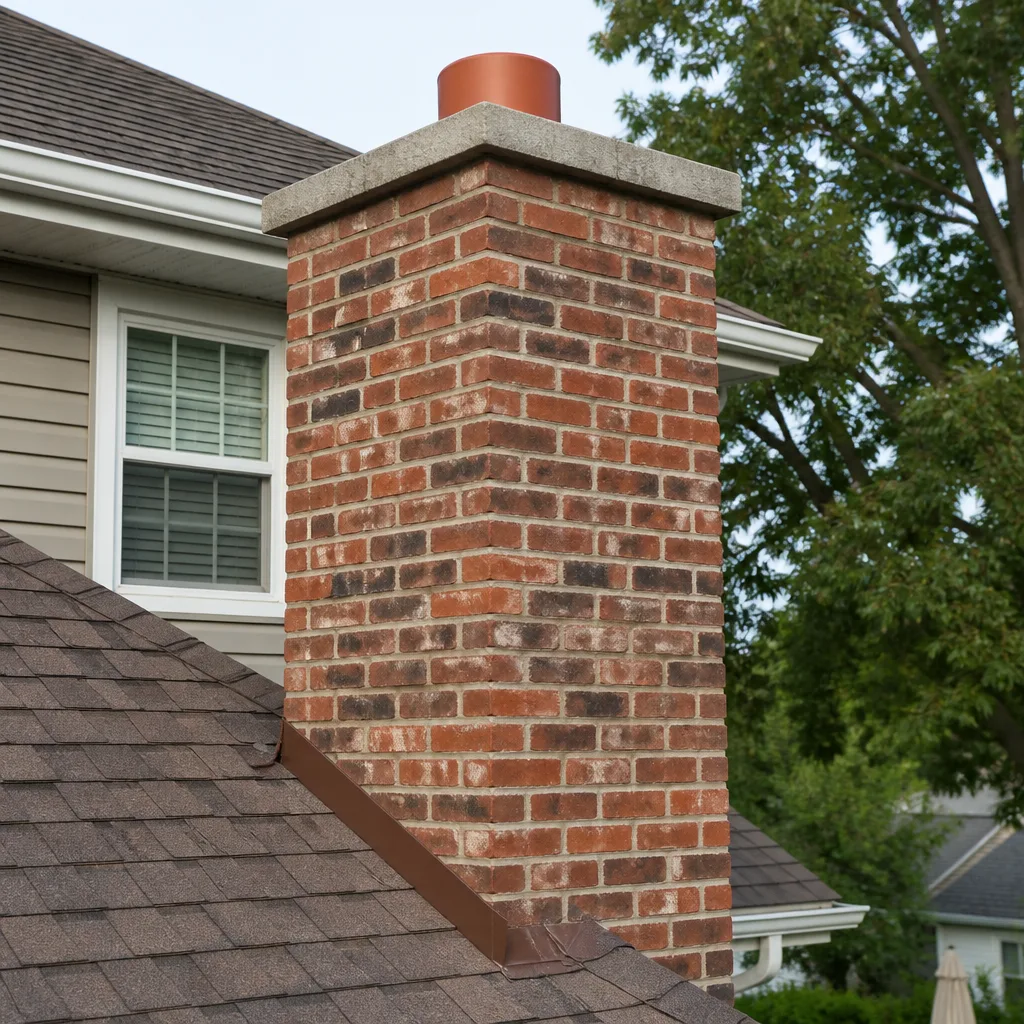 Masonry repair
 Gas fireplace service
Level 1 sweep and inspection to the NFPA 211 annual standard - flue, crown, cap, and flashing checked and photographed
Chimney sweep logs do not sweep chimneys. They loosen some creosote - which then falls where a brush and vacuum still have to collect it.
Styles & brands we work with
See the difference
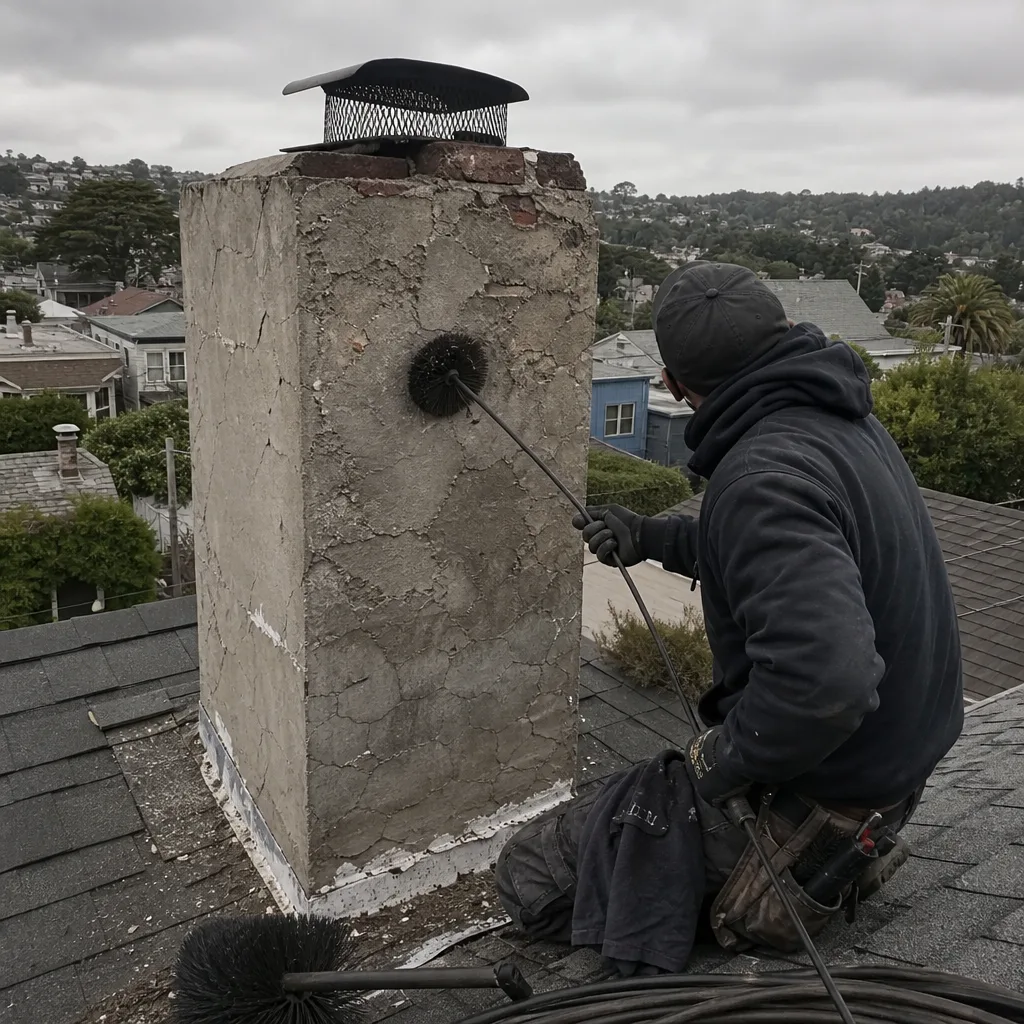 Before
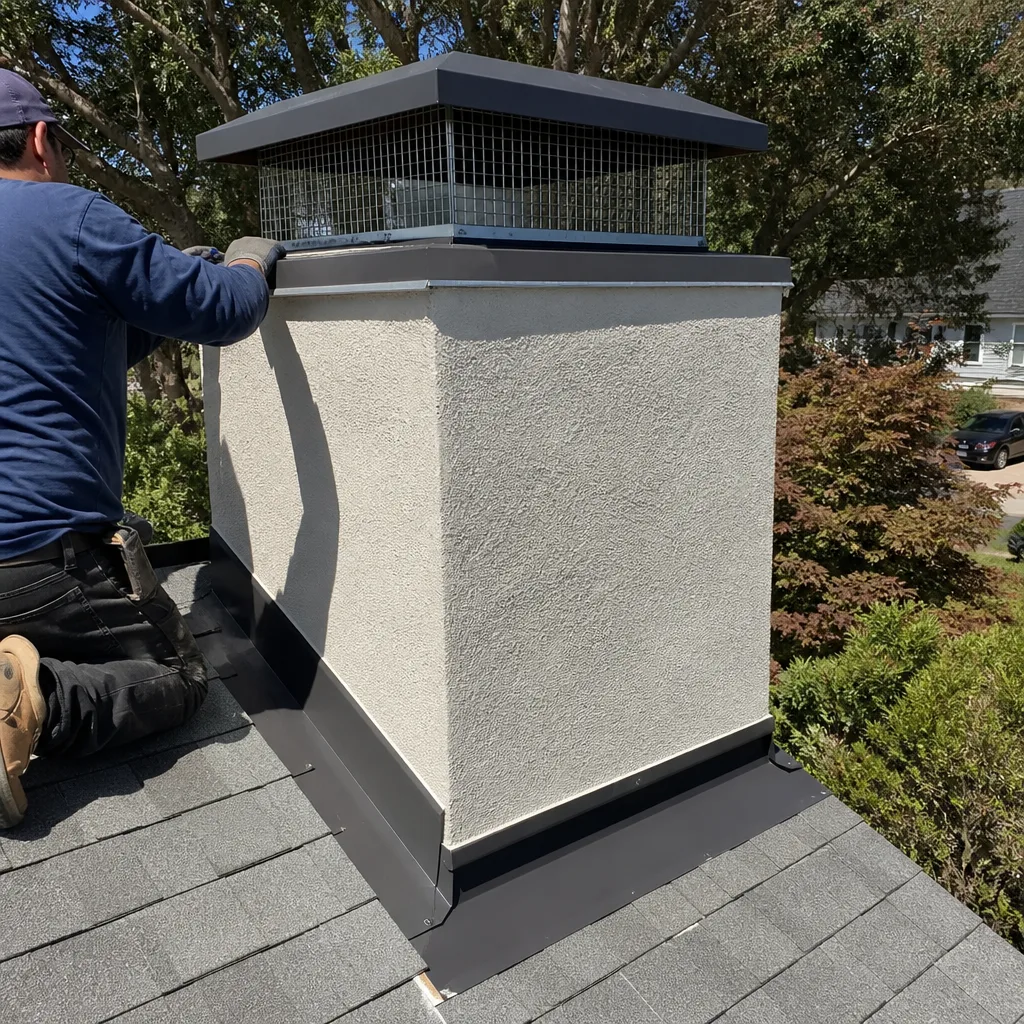 After
After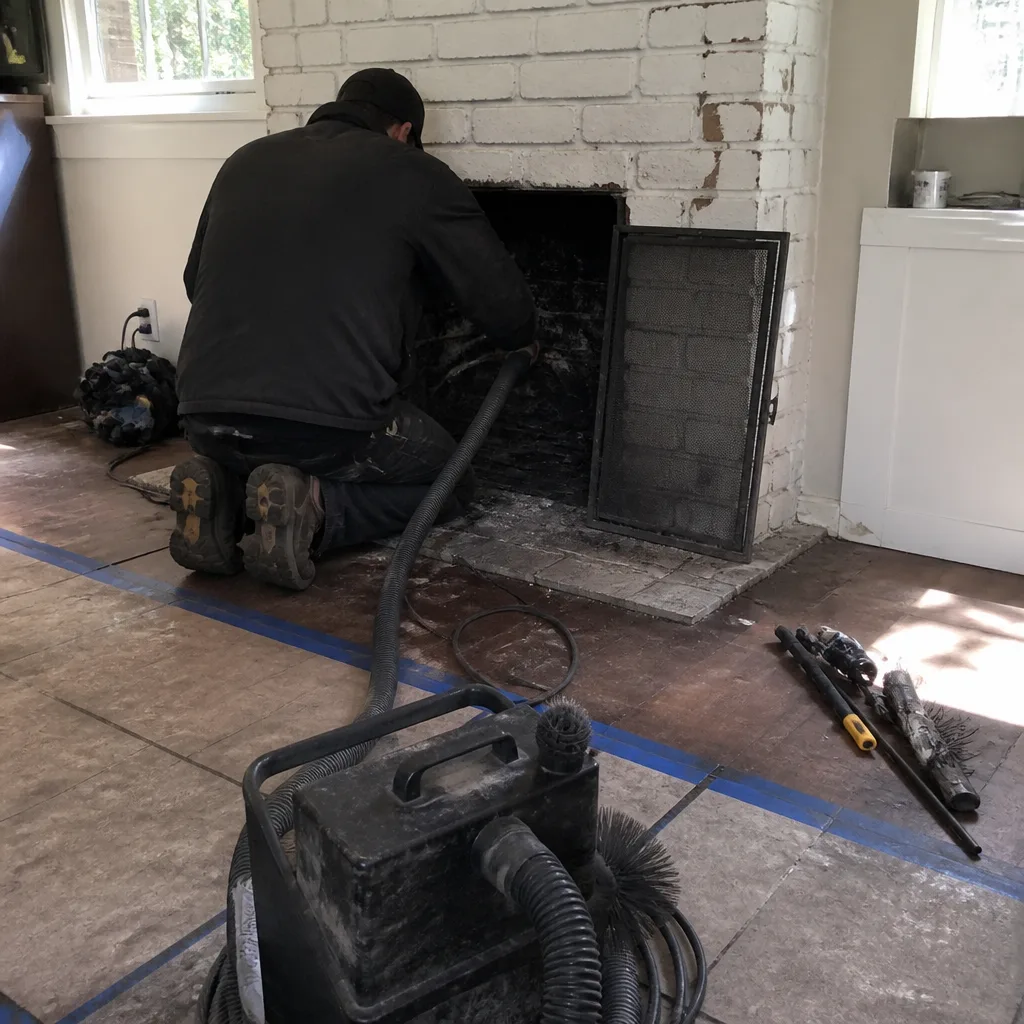 Before
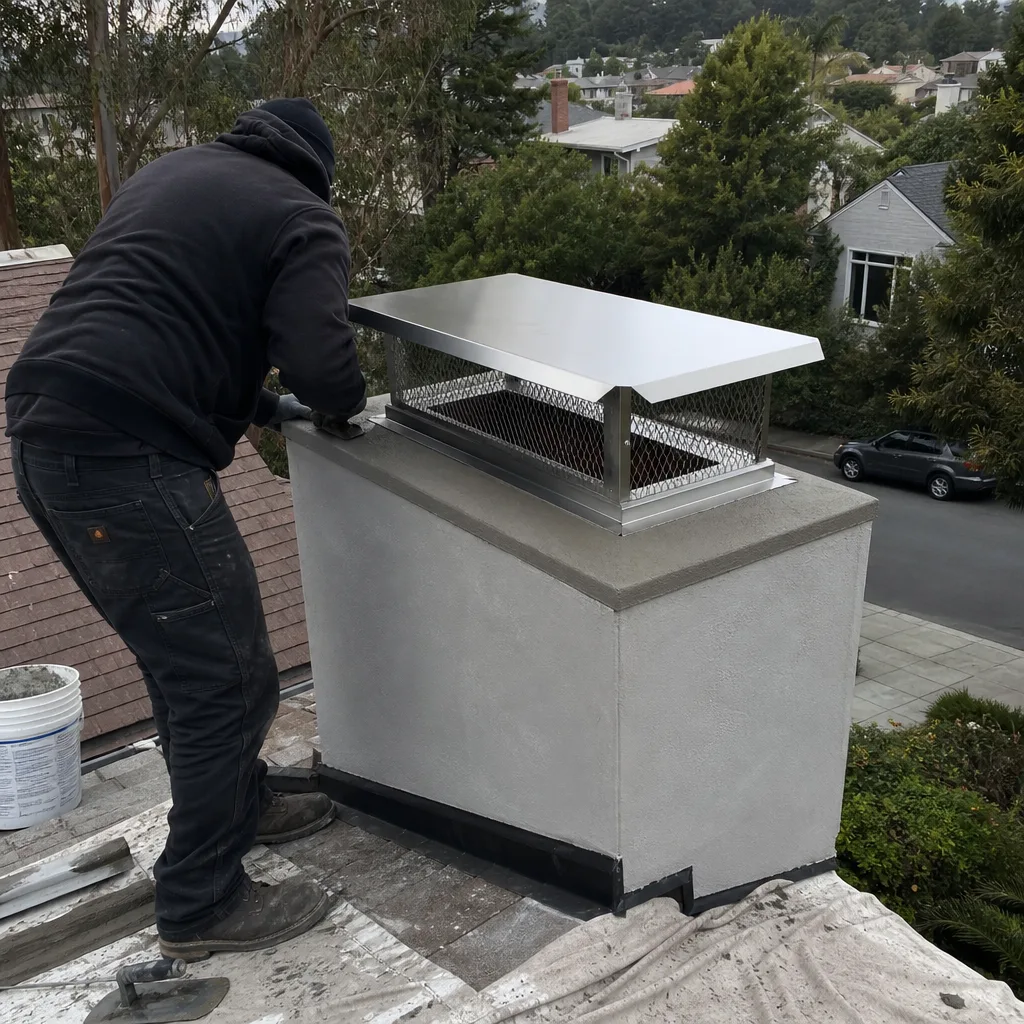 After
After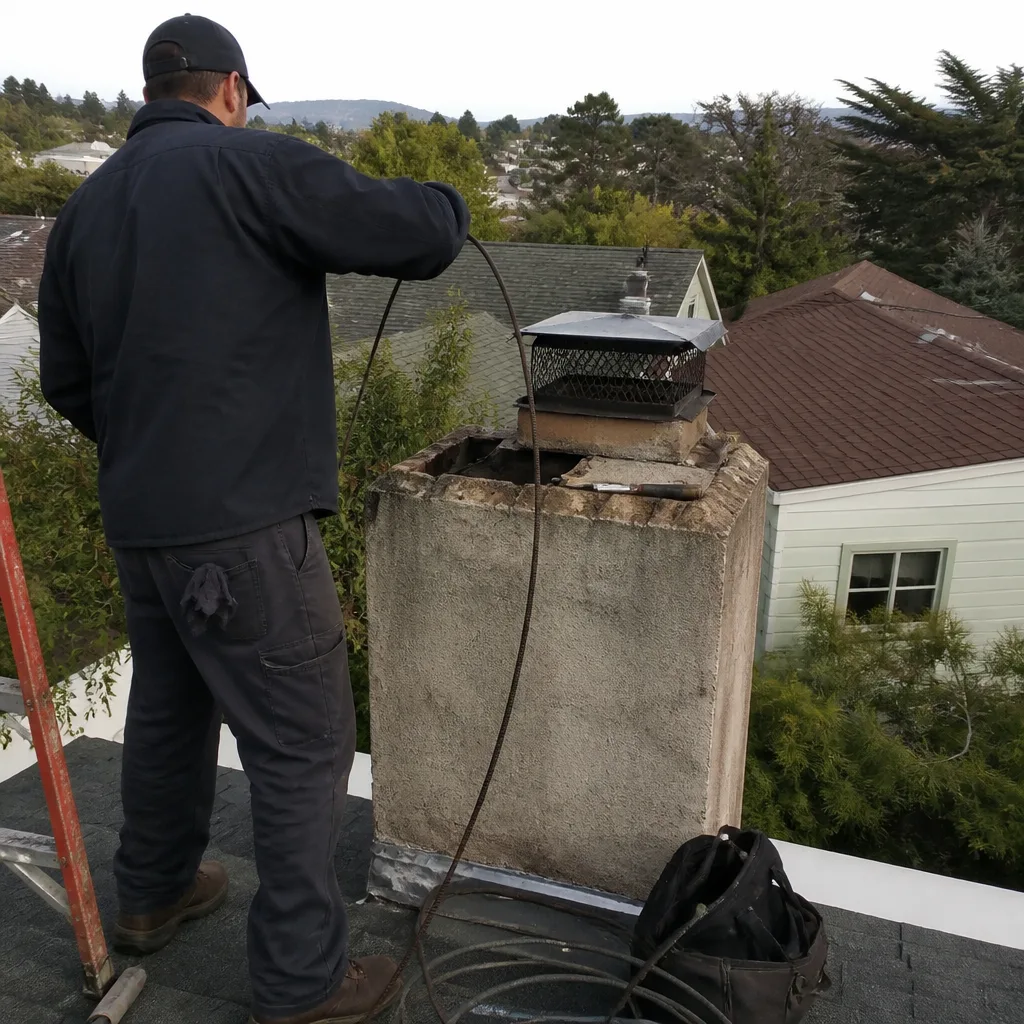 Before
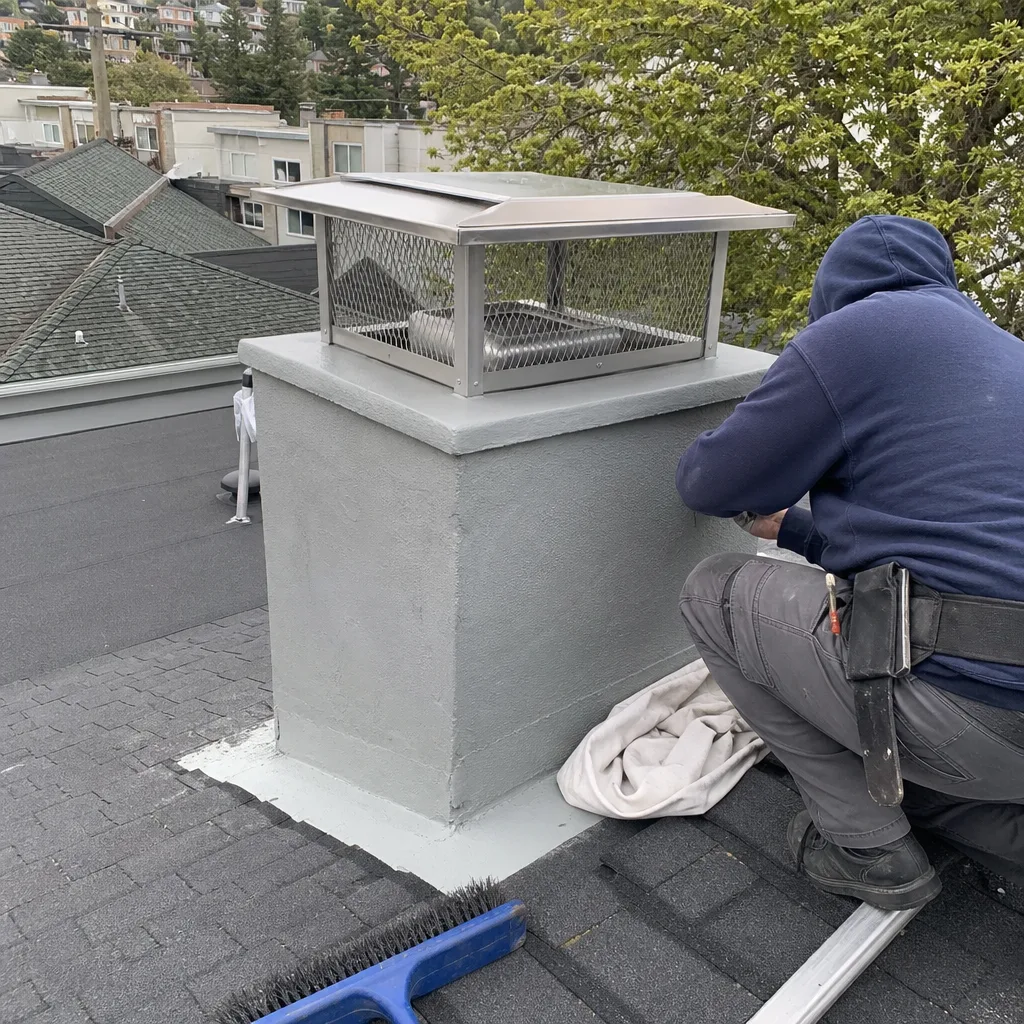 After
AfterSoot Removal in San Francisco, CA
Soot removal in San Francisco typically costs between $150 and $400 when done as part of a professional chimney cleaning, with most homeowners paying around $225 for a standard single-flue job. The work usually takes 45 to 90 minutes, and it’s the single most effective thing you can do to prevent chimney odors, staining, and the fine black dust that settles on furniture near your fireplace. At Alcott Chimney San Francisco, we’ve been handling soot buildup in city homes since 2002, and every job includes a written price before we start and a written guarantee on the work when we’re done.
If you’re noticing black smudges around your mantel or a campfire smell that won’t go away, call (831) 534-3789. A live person answers, day or night. And if you want to understand how soot removal fits into the bigger picture of fireplace maintenance, our Chimney Cleaning & Sweep in San Francisco page walks through the full service.
When You Need Soot Removal
Soot isn’t just a cosmetic problem. It’s acidic. Left in place, it can etch mortar joints, corrode metal dampers, and work its way into plaster and paint. Here’s what tells us a chimney is due:
- Black dust on the mantel, hearth, or nearby furniture. This is the most common sign in San Francisco homes, especially in older Victorians and Edwardians where the fireplace gets heavy use during fog season.
- A persistent smoky or campfire odor that gets stronger on humid days. Soot absorbs moisture from the air, which releases the smell even when the fireplace hasn’t been used in months.
- Visible black buildup inside the firebox or on the damper. If you can scrape it off with a fingernail and it’s more than 1/8 inch thick, it’s time.
- Dark stains bleeding through paint or wallpaper above the mantel. We see this often in Noe Valley and Pacific Heights homes where soot has penetrated porous plaster.
- You’ve burned a lot of manufactured logs or unseasoned wood. Both produce heavier soot than properly dried hardwood, and that soot is stickier and harder to remove.
- You just bought the home and don’t know the chimney’s history. Soot removal is the first step in any inspection; you can’t see cracks or damage underneath a quarter-inch of black film.
If any of those sound familiar, soot removal is the fix. And if the soot has been building for years, you may also be looking at deeper creosote, which is the tar-like residue that actually causes chimney fires. We’ll check for both.
Our Soot Removal Process
Here’s exactly how we handle soot removal in a San Francisco home, whether it’s a studio apartment in the Richmond District or a four-story townhouse in Russian Hill:
- We protect the room first. Canvas drop cloths go down around the hearth, and the immediate area gets sealed off. Soot is stubborn; we don’t let it drift into your living room.
- We inspect the firebox and flue. Before we touch a brush, we look at the condition of the firebrick, the damper, and the flue liner. If there’s damage, you’ll know before we clean, not after.
- We remove loose soot and creosote. Using professional rotary brushes and HEPA-filtered vacuums, we dislodge and collect the soot rather than pushing it around. The vacuum runs the whole time, so dust doesn’t escape into your home.
- We treat stubborn deposits. Some soot, especially from manufactured logs, resists mechanical removal. We use professional-grade chemical treatments, including Gelco products, to break down the bond so it releases cleanly.
- We clean the firebox, damper, and smoke chamber. These areas trap soot that brushes alone miss. This step is what prevents the black dust from reappearing two weeks after the cleaning.
- We do a final inspection and walk you through what we found. You’ll see the flue for yourself, and we’ll tell you plainly if anything needs attention beyond soot removal.
The whole job typically takes under two hours. When we leave, the only sign we were there is a cleaner chimney and a hearth that doesn’t leave a handprint on your palm.
Soot Removal Pricing in San Francisco
A standard soot removal as part of a full chimney cleaning in San Francisco usually runs $150 to $300 for a single-story flue with normal buildup. Two-story homes run $200 to $400, and three-story or steep-roof access can push it to $350 to $500. Here’s the breakdown:
| Service | Typical Range in San Francisco |
|---|---|
| Soot removal, single-flue (one story) | $150 – $300 |
| Soot removal, two-story home | $200 – $400 |
| Soot removal with heavy buildup (over 1/4 inch) | $250 – $500 |
| Firebox cleaning add-on | $50 – $100 |
| Chemical treatment for glazed soot | $75 – $150 |
What moves the price is access, buildup thickness, and whether the flue has a liner that needs gentler handling. San Francisco’s housing stock adds a variable too: older homes in the Mission and Bernal Heights often have unusually shaped flues or offset connections that take longer to clean properly.
Every quote is written and handed to you before we start. No surprise line items at the end. And if you’re comparing prices, keep in mind that the cheapest sweep in the city may skip the firebox or the smoke chamber, which means soot comes back faster. Our Chimney Cleaning & Sweep process covers the full system.
For an exact price on your home, call (831) 534-3789. Estimates are free, and you’ll get a straight number over the phone, not a “we’ll see when we get there.”
Why San Francisco Homes Need Soot Removal More Often
San Francisco’s climate works against chimneys in a specific way. The fog that rolls through the Sunset and Richmond districts keeps humidity high, and that moisture gets absorbed by soot deposits. Wet soot is heavier, stickier, and more acidic than dry soot. It bonds to flue walls and brick rather than flaking off, which means it doesn’t just disappear between seasons the way it might in a drier climate like Sacramento or Reno.
Add in the fact that many San Francisco homes are older than the city’s building code itself, and you get flues that were built before modern liners existed. Older brick flues have rough, porous surfaces; soot clings to them far more aggressively than to modern stainless liners. We’ve worked on chimneys in the Haight that hadn’t been cleaned since the 1970s, and the soot had essentially become part of the masonry.
The other factor is how San Franciscans heat. Many residents use their fireplace as supplemental heat during the damp winter months, not just for ambiance. Frequent fires at low temperatures produce more soot than occasional hot fires. If you’re burning every night from November through February, you’re generating soot on a schedule that warrants an annual or even twice-yearly cleaning.
What’s the Difference Between Soot and Creosote?
Soot and creosote are often used interchangeably, but they’re different substances, and the distinction matters for how we treat your chimney:
- Soot is fine black carbon powder. It forms when wood or gas burns incompletely. It’s mostly carbon with some ash and trace chemicals. Dry soot is fluffy and relatively easy to remove with a brush and vacuum.
- Creosote is the tar-like, sticky, or glazed residue that forms when wood smoke condenses on cooler flue walls. It’s brown or black, sometimes crusty, sometimes shiny. Creosote is flammable, and it’s the main cause of chimney fires.
- They usually appear together. A chimney with heavy creosote almost always has significant soot mixed in. A chimney with only soot usually means the fires have been burning hot and clean, which is a good sign but still requires cleaning because soot is acidic and corrosive.
During any soot removal, we’re also evaluating creosote levels. If there’s a glaze, that’s a different conversation. We carry professional treatment products from Gelco and Olympia Chimney specifically for glazed creosote, and we’ll tell you if your chimney needs that level of work rather than just a standard sweep.
Can You Remove Soot Yourself?
You can wipe down the firebox with a dry sponge or a shop vac, and that’s about where safe do-it-yourself soot removal ends. Flue soot removal means working from the roof, running brushes through the full length of the flue, and managing dust that’s fine enough to penetrate lungs. It’s genuinely unpleasant, and in San Francisco it often means working on steep roofs in damp conditions that make footing unreliable. We’ve had homeowners in Potrero Hill and Diamond Heights call us after attempting a DIY job and discovering either that they couldn’t reach the flue cap safely or that their vacuum wasn’t up to the task and they’d filled their living room with black dust.
If you’re going to try anything yourself, wear a P100 respirator, not a paper mask, and seal the firebox opening with plastic before you start. But honestly, for what a professional soot removal costs, between the equipment, the roof work, and the disposal, it’s usually the safer and cheaper call to bring in someone who does this every day. And by “someone,” we mean a technician who arrives with a photo ID that matches the name and photo you were sent before the visit. That’s our standard, not an add-on.
How Alcott Chimney San Francisco Vets Its Technicians
We know inviting a chimney company into your home means opening the door to a stranger. That’s why every technician who works under the Alcott name goes through the Threshold Standard before they ever set foot on a customer’s property:
- Background check completed before hiring, not after a complaint.
- Identity verification tied to the name and photo on file.
- Uniformed and badge-wearing at every visit; they’ll show you the badge at the door without being asked.
- Announced in advance: you’ll get the technician’s name and photo before the appointment, so you know exactly who to expect when the doorbell rings.
This standard applies to every job, from a home chimney inspection to a full soot removal on a three-story flat. No exceptions, no shortcuts. Ruben Castellano set this policy when he founded Alcott in 2002, and it hasn’t changed since.
FAQs – Soot Removal
How much does soot removal cost in San Francisco?
Soot removal as part of a professional chimney cleaning in San Francisco typically costs $150 to $400, depending on your home’s height, how much buildup has accumulated, and whether stubborn deposits need chemical treatment. You’ll get a written price before we start, and that price is the price; call (831) 534-3789 for an exact quote on your home.
Is soot removal the same as a chimney sweep?
Soot removal is one part of a full chimney sweep, which also removes creosote, cleans the firebox and smoke chamber, and checks the flue for damage. If a company offers “soot removal” without the rest, you’re getting half a job. Our Chimney Cleaning & Sweep in San Francisco service covers the whole system.
How often should I have soot removed from my chimney?
If you use your fireplace regularly during the San Francisco winter, annual soot removal is the minimum. Homes that burn every night or use manufactured logs should consider twice-yearly cleanings. We’ll tell you honestly what your chimney needs after the first inspection, not before we’ve seen it.
Will soot removal get rid of the smoky smell in my house?
In most cases, yes; the odor comes from soot and creosote deposits that release smell when they absorb moisture, so removing the source eliminates the problem. If the smell persists after cleaning, the issue may be in the masonry itself or in a smoke chamber that wasn’t fully cleaned. Call (831) 534-3789 and we’ll diagnose it.
Is it cheaper to remove soot myself?
Only if you already own professional brushes, a HEPA vacuum, drop cloths, a respirator, and you’re comfortable working on a San Francisco roof. For most homeowners, hiring a professional costs less than buying the gear once, and you avoid the risk of filling your living room with black dust. Our pricing is straightforward and you’ll know the cost before we begin.
Can you come out the same day for soot removal?
In most cases, if you call before noon we can have a technician at your door the same day, especially for urgent situations like a chimney that’s smoking into the house. Our phones are answered by a live person 24/7; (831) 534-3789 is always answered by a human.
What the 365-Day Done Right Promise Covers
Every soot removal we complete in San Francisco is backed by the 365-Day Done Right Promise. Here’s exactly what that means in plain English: if any repair we make fails within a year, we return and fix it at no charge. The second visit is free. Period. If the soot comes back unusually fast or you find a spot we missed, you call us, we come back. That’s the guarantee, and it’s written on every job, not hidden in fine print.
We also carry professional trade materials for any repair work that soot removal uncovers. If your flue needs a new liner, we install DuraFlex systems. If the firebox needs resurfacing, we use HeatShield. The point is this: when soot removal reveals a deeper problem, we don’t just point at it and leave. We fix it with materials specified by chimney professionals, not improvised substitutes from a home center shelf.
If your chimney has been neglected, Chimney Cleaning & Sweep is the right place to start, and soot removal is step one. Call (831) 534-3789 for a free estimate, or to schedule a cleaning. A live person answers, whatever hour you call.
Written by Ruben Castellano, Owner at Alcott Chimney San Francisco, serving San Francisco.