
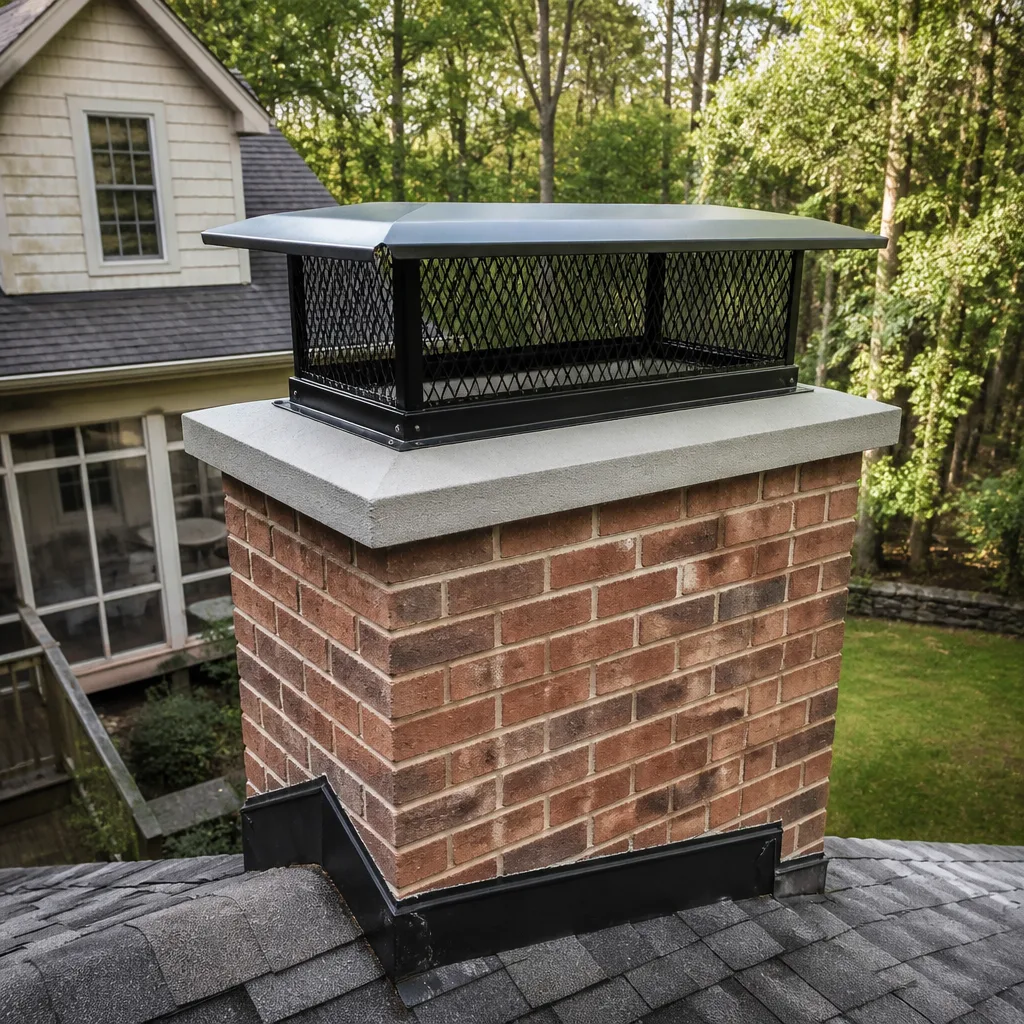
 Sweep & inspection
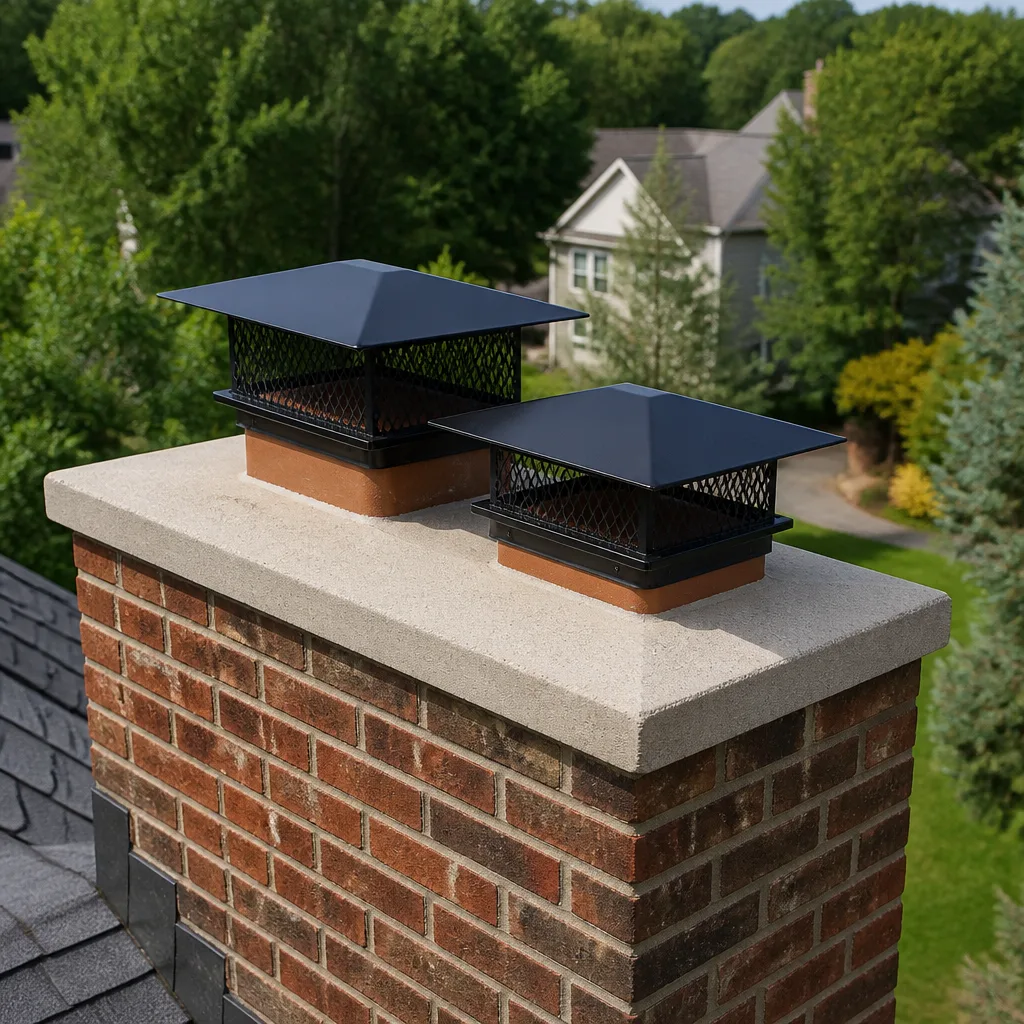 Caps & crowns
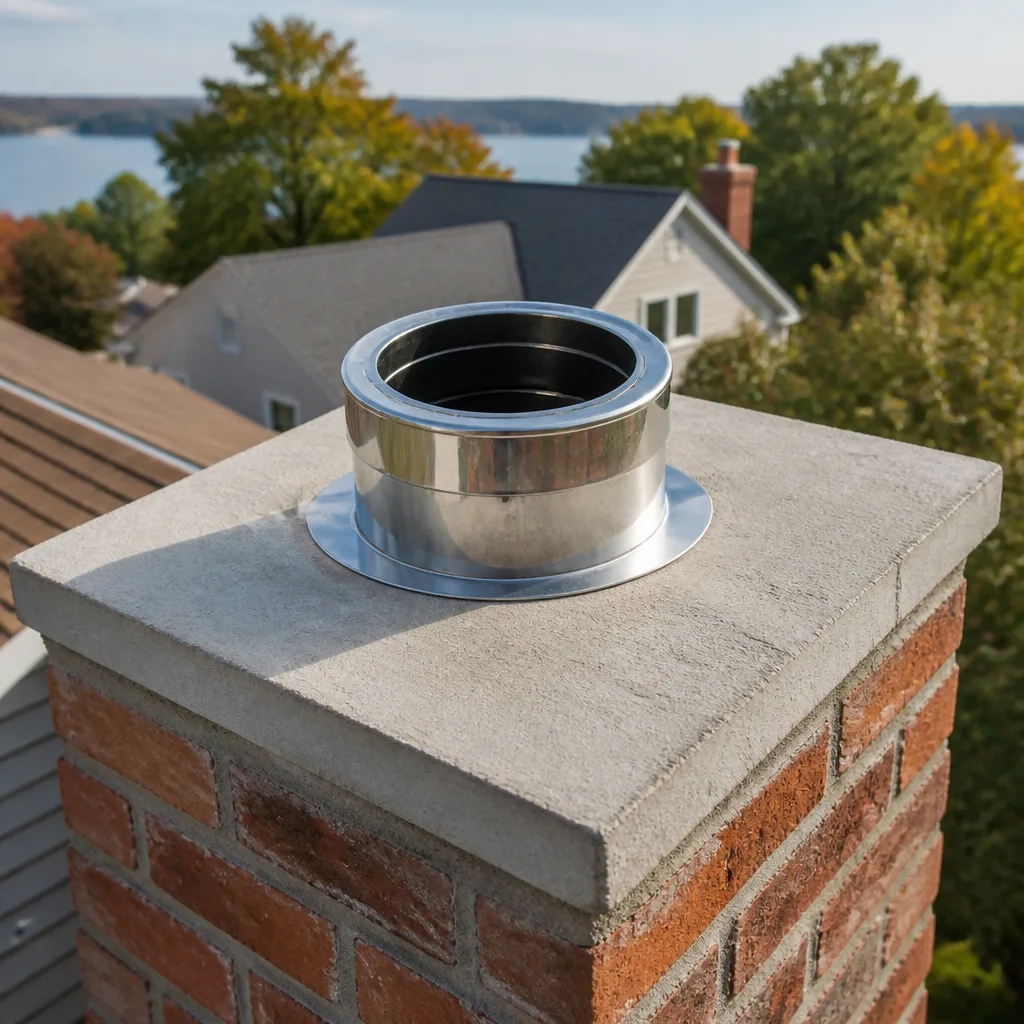 Flue relining
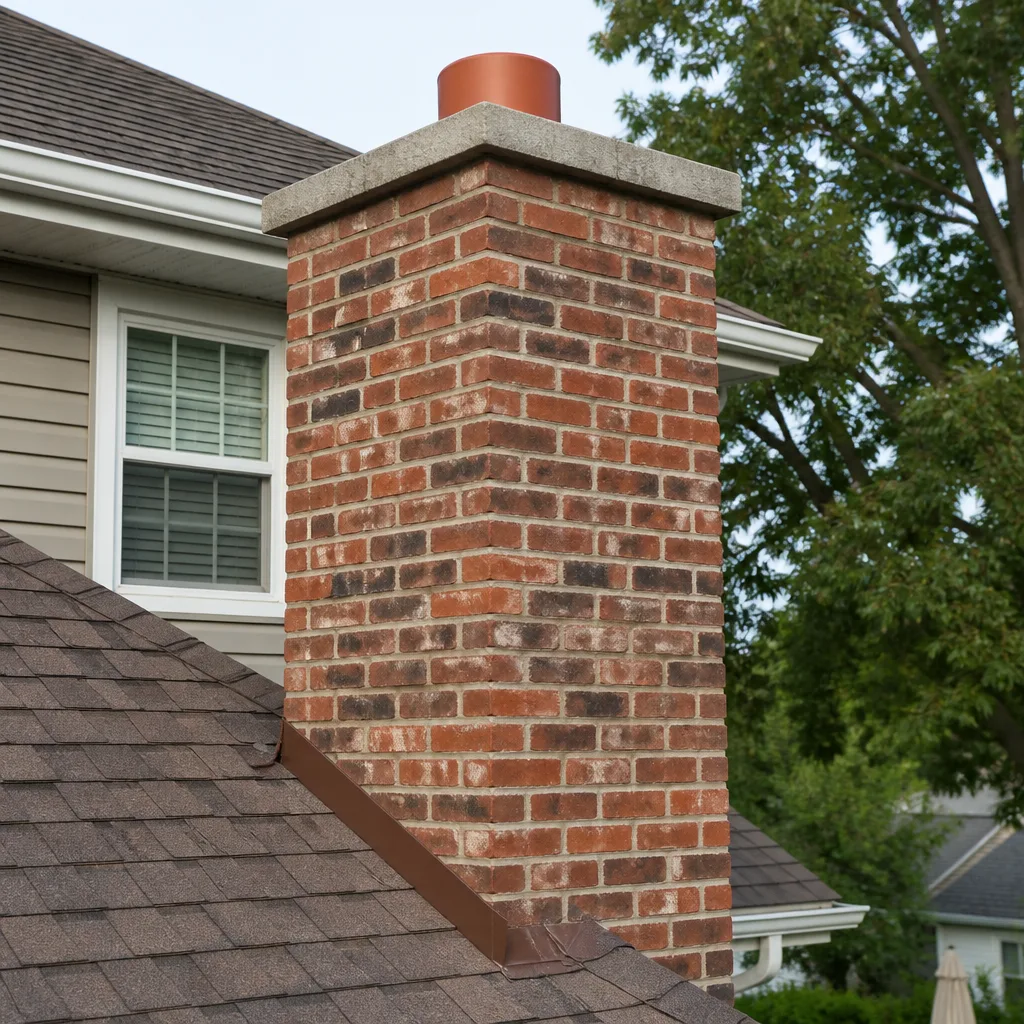 Masonry repair
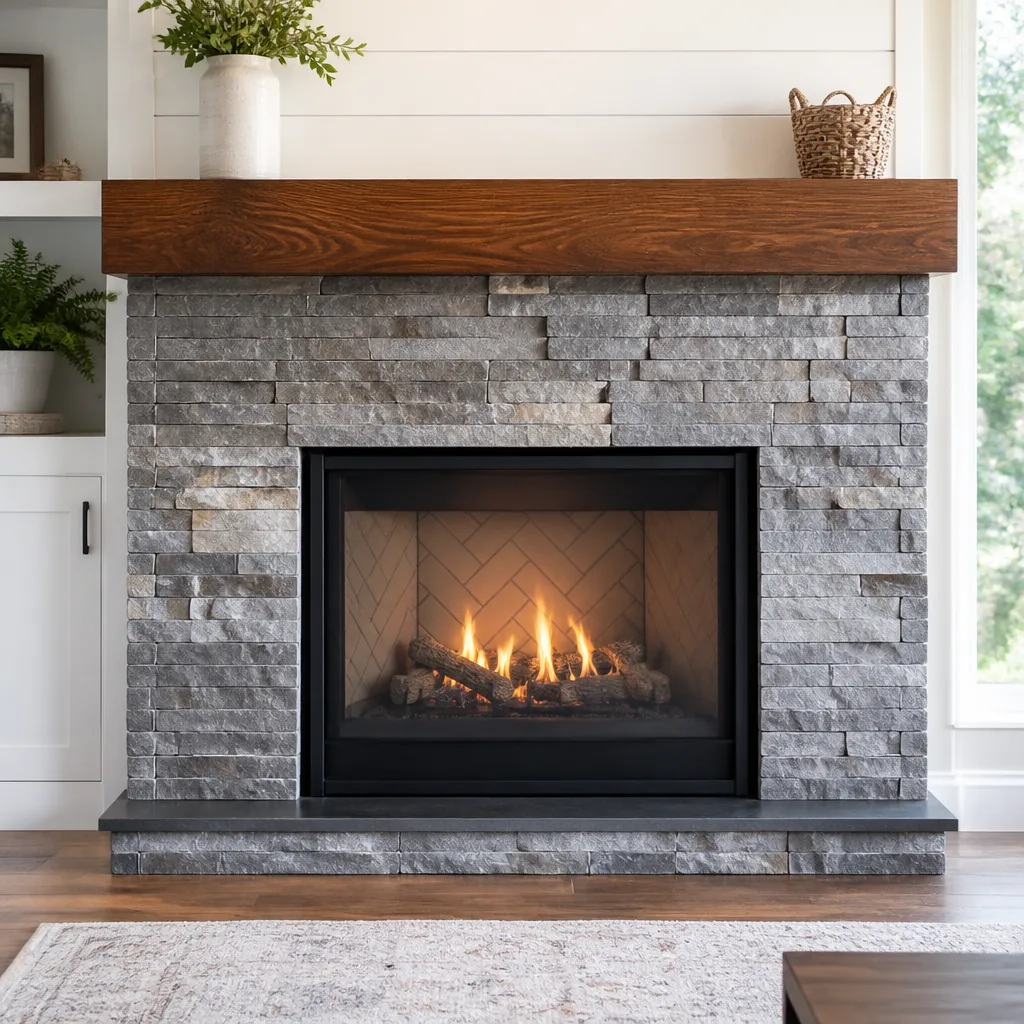 Gas fireplace service
Level 1 sweep and inspection to the NFPA 211 annual standard - flue, crown, cap, and flashing checked and photographed
Chimney sweep logs do not sweep chimneys. They loosen some creosote - which then falls where a brush and vacuum still have to collect it.
Styles & brands we work with
See the difference
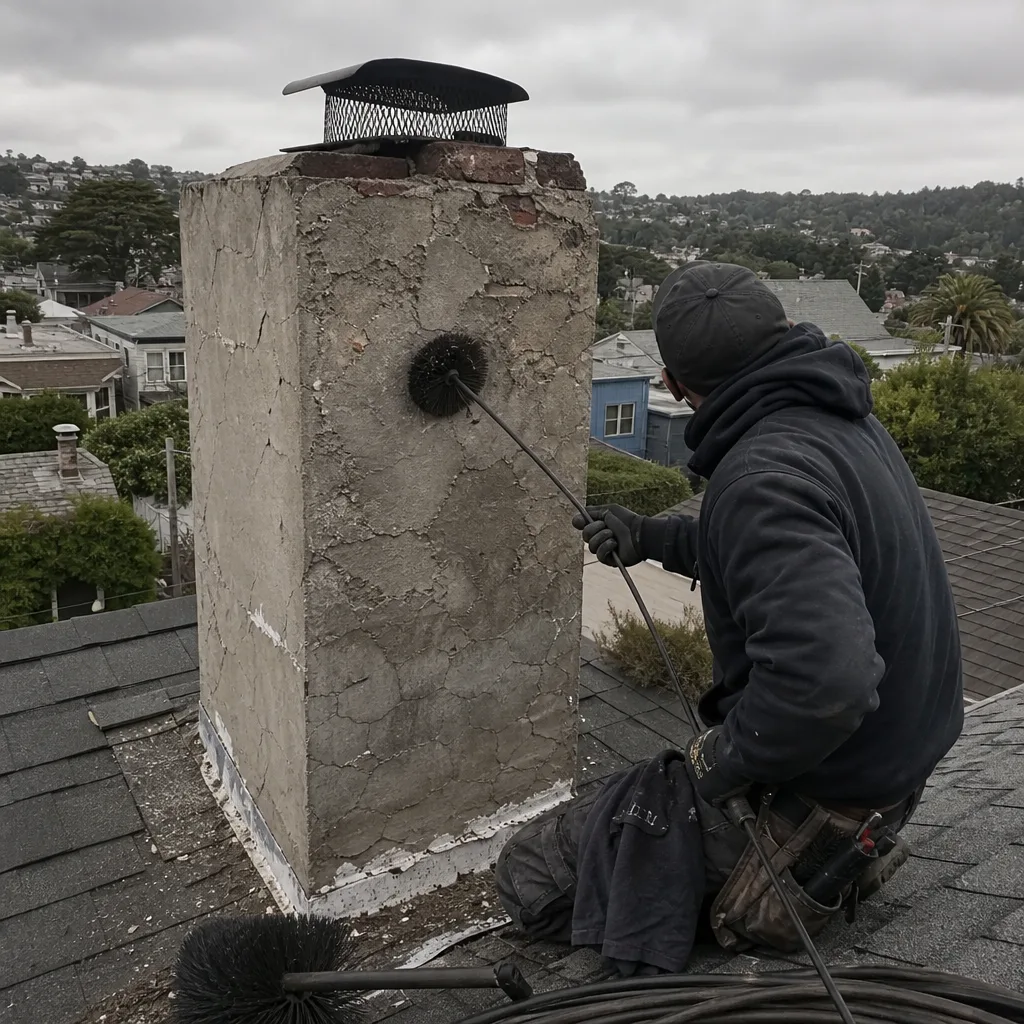 Before
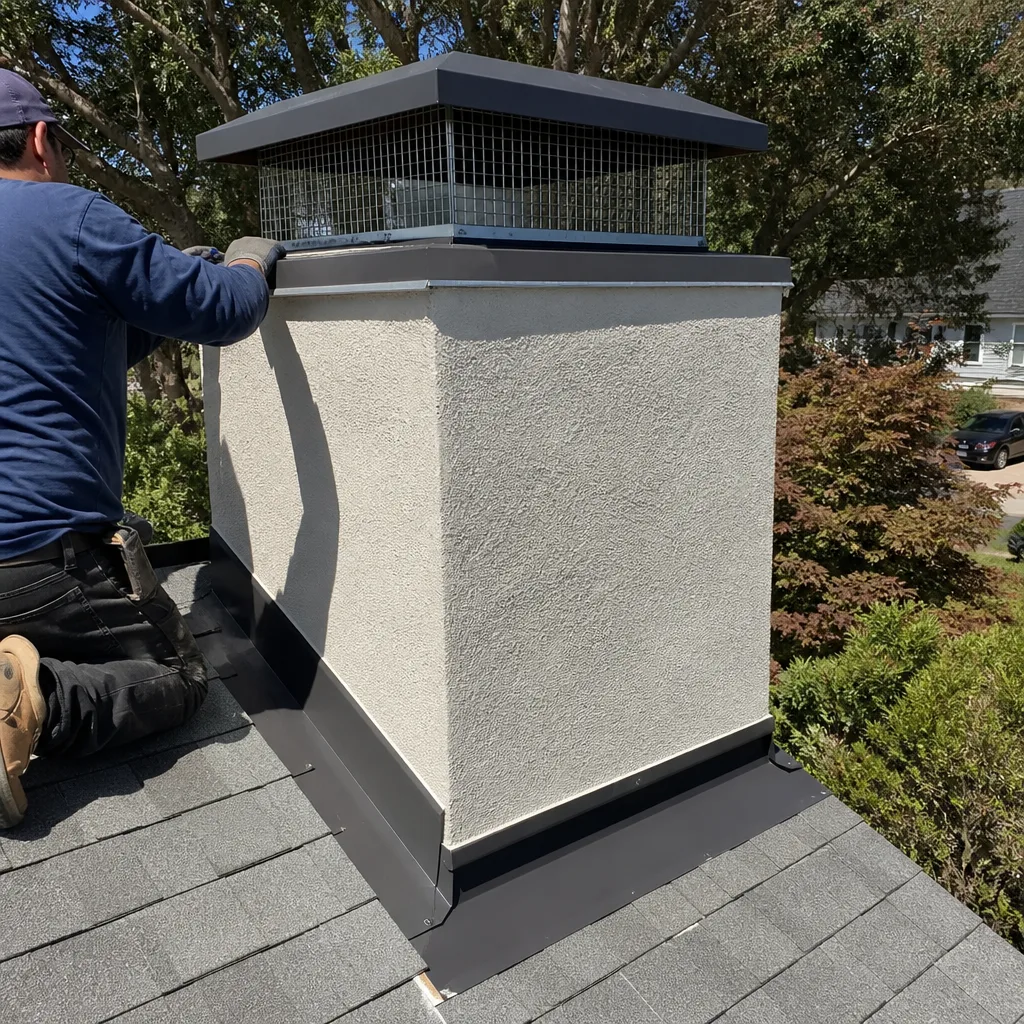 After
After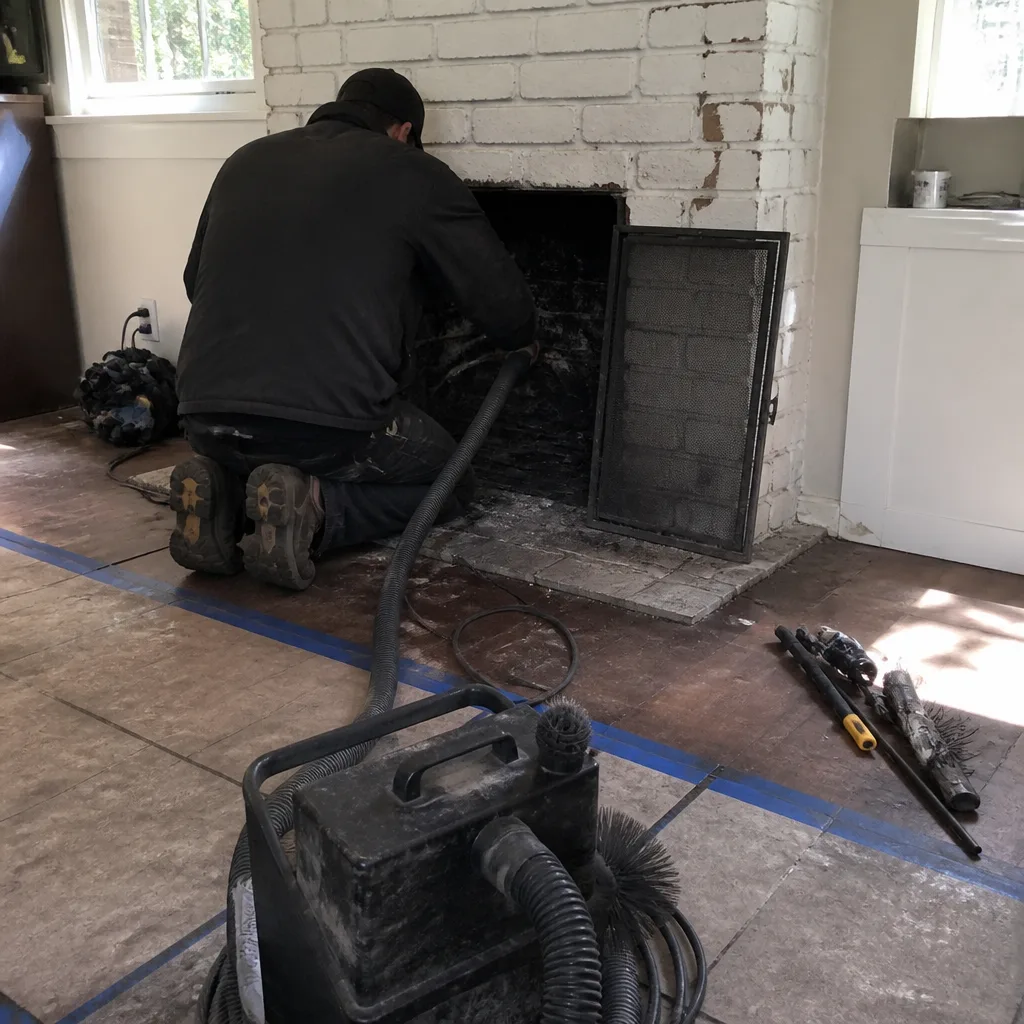 Before
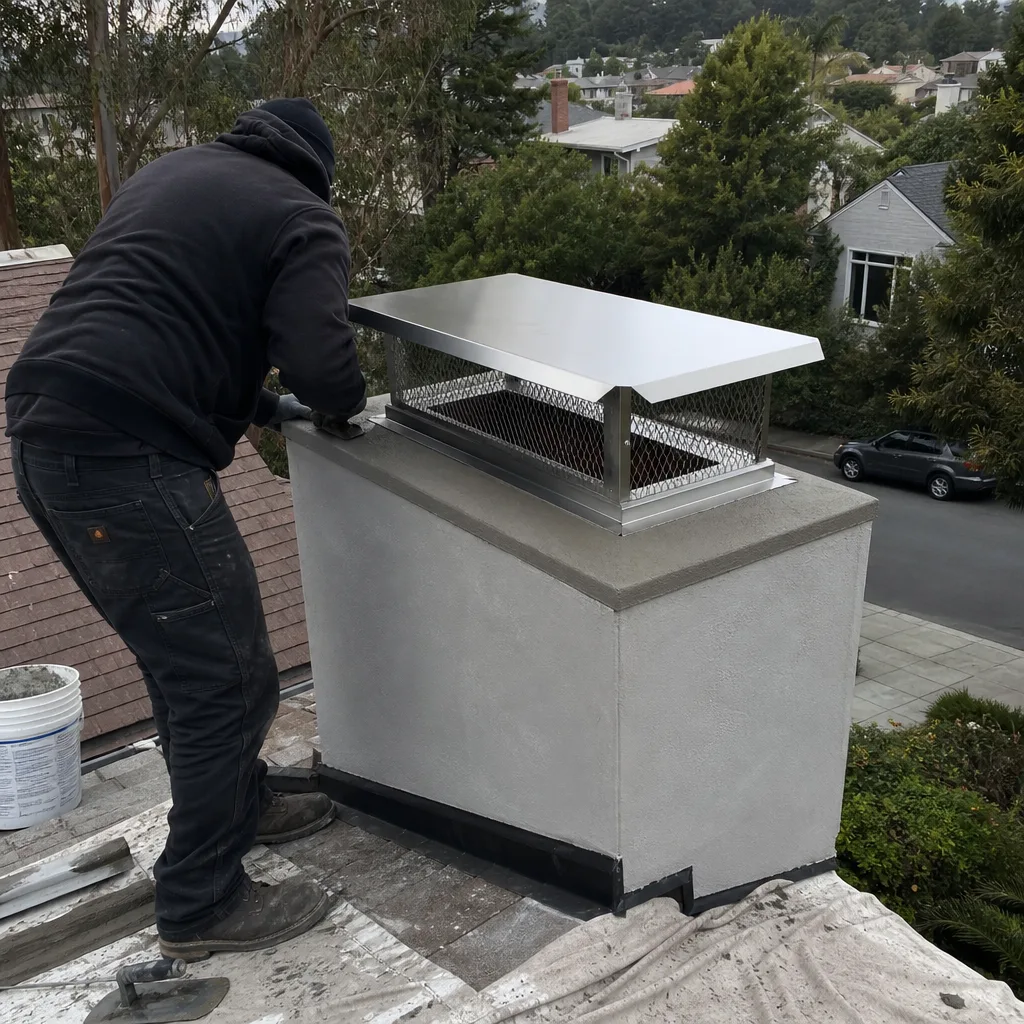 After
After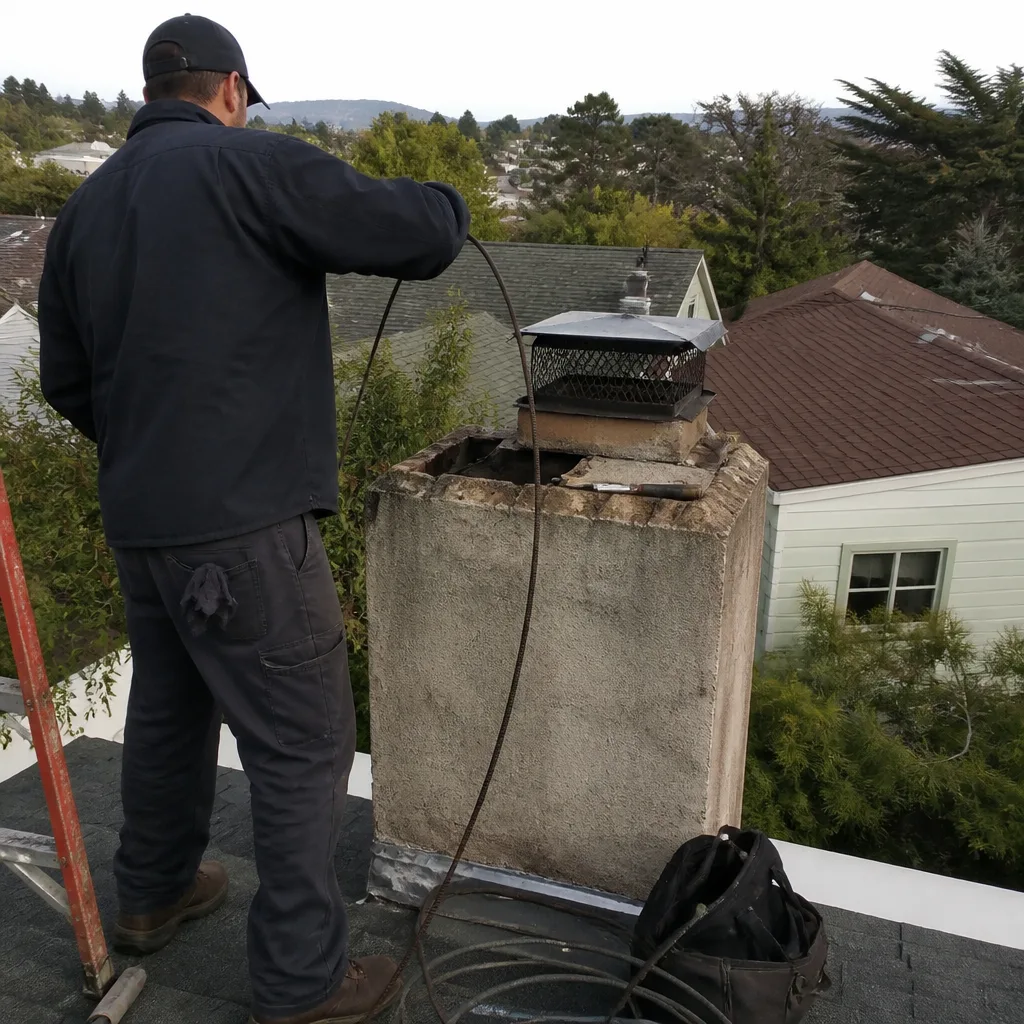 Before
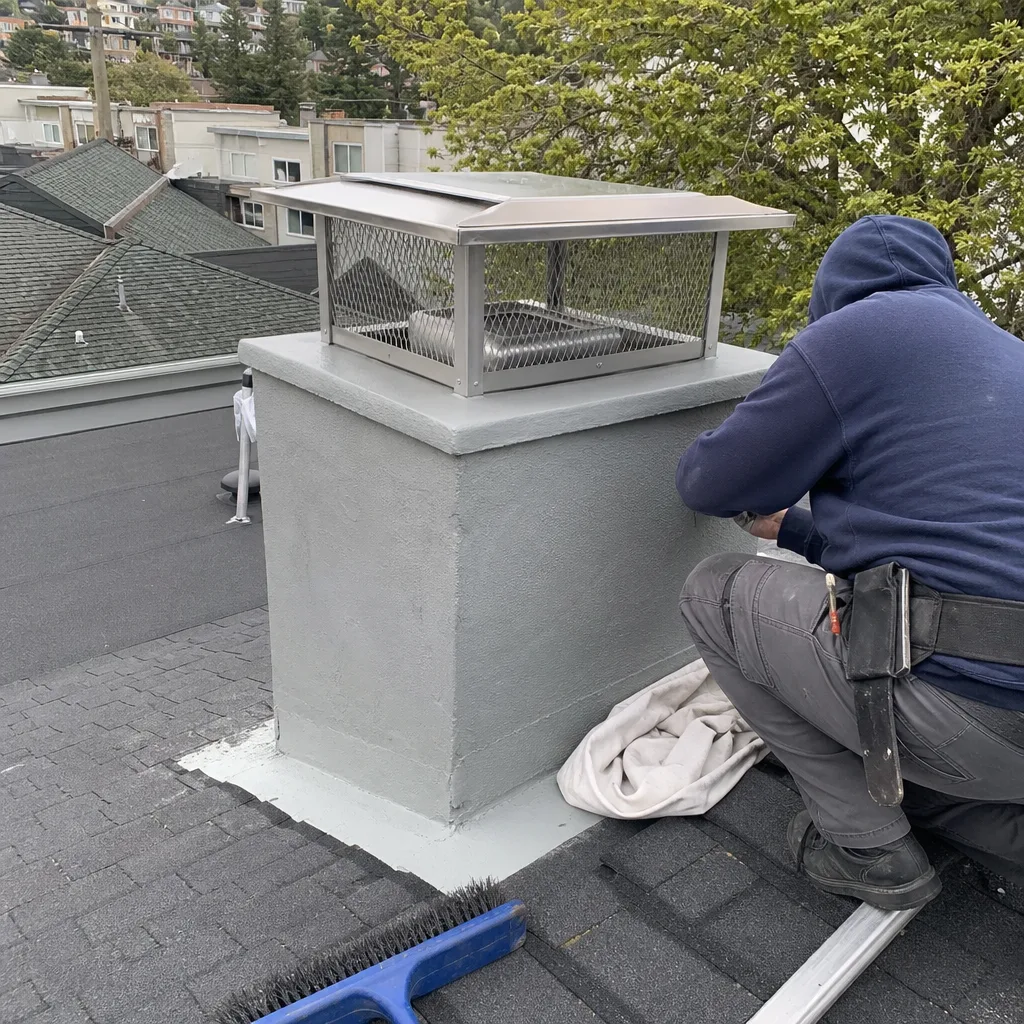 After
AfterCreosote Removal in San Francisco, CA
Creosote removal in San Francisco typically costs between $250 and $600 for a standard fireplace, depending on how much buildup has accumulated and whether you have a fireplace or a wood stove. Most jobs take under two hours, and a professional sweep can usually tell you within minutes of looking at the flue whether you’re dealing with a routine cleaning or a more involved removal job. At Alcott Chimney San Francisco, we’ve been removing creosote from San Francisco chimneys since 2002, and we’ll give you a written price before any work starts so you know exactly what you’re paying.
Creosote is the tar-like residue left behind when wood smoke cools and condenses inside your chimney. It’s the leading cause of chimney fires in San Francisco homes, and it builds up faster in our climate than most homeowners realize. The fog and damp air that roll in off the Pacific don’t just settle on your windows, they interact with the creosote inside your flue, making it stickier and more corrosive than the dry, flaky creosote common in drier climates. If you’ve been using your fireplace regularly without a recent Chimney Cleaning & Sweep in San Francisco, there’s a good chance creosote has accumulated to a level that requires attention.
Call us at (831) 534-3789 and a live person will answer, day or night. We’ll schedule your creosote removal at a time that works for you, and before the technician arrives, you’ll know their name and see their photo. That’s the Threshold Standard, and it applies to every single visit.
When You Need Creosote Removal
Creosote doesn’t announce itself loudly. It builds up gradually, and by the time you notice a problem, it’s often been there for a while. Here are the signs San Francisco homeowners should watch for:
- You can see black, shiny residue inside the flue. Shine a flashlight up from the firebox. If the walls look glazed with something that resembles tar or burnt sugar, that’s third-degree creosote, and it’s the hardest to remove without professional tools.
- Your fires are burning strangely. A fire that struggles to draw, burns with less heat than it should, or produces more smoke than usual is often fighting against a creosote-congested flue.
- You smell a strong, acrid odor when the fireplace isn’t in use. Creosote absorbs moisture. On damp San Francisco days, especially in neighborhoods like the Richmond and Sunset districts where fog sits heavy, that moisture draws the creosote smell down into your living room.
- It’s been more than a year since your last sweep. The National Fire Protection Association recommends an annual inspection and cleaning. If you burn softwoods like pine or fir, or if you burn fires more than twice a week, creosote accumulates faster than the annual baseline.
- You see dark, flaky debris falling into the firebox. That’s creosote flaking off the flue walls. If it’s falling on its own, there’s enough of it to worry about.
- Your smoke detector goes off when you light a fire. This often signals that smoke isn’t venting cleanly, which points to restriction in the flue, often from creosote buildup.
If any of these sound familiar, don’t wait. Creosote is the fuel inside chimney fires. The chimney fire starts when creosote ignites, often at temperatures well above what a normal fire produces. In older San Francisco homes, many of which have original brick chimneys dating back to the early 20th century, a chimney fire can crack flue liners or, in severe cases, transfer heat to the wooden framing around the chimney chase.
Our Creosote Removal Process
We approach creosote removal as a methodical process, not a quick hit-and-run. Here’s what happens when Ruben Castellano’s team handles your San Francisco chimney:
- We confirm the technician’s identity before they ring your bell. Every Alcott technician is background-checked and identity-verified through the Threshold Standard. You’ll receive their name and photo before the appointment, and they’ll show a photo ID badge at the door, every time, no exceptions. If someone else shows up, don’t let them in.
- We inspect the flue and measure the creosote stage. Creosote is classified in three stages: Stage 1 is a fine, sooty powder that brushes off easily. Stage 2 is a crusty, granular buildup that requires scraping. Stage 3 is the dense, glossy glaze that’s hardened onto the flue walls. We identify which stage you have before we touch anything, and the method, and price, follows from that.
- We seal off the firebox and lay down protection. Creosote removal is dusty work. We run a high-powered vacuum with a HEPA filter, seal the firebox opening, and protect the surrounding floors to keep your home clean while we work.
- We use the right tools for your creosote stage. For Stage 1 and 2 creosote, we use rotary wire brushes sized to your flue. For Stage 3 glazed creosote, brushes alone won’t cut it. We use professional-grade chemical treatments, often from the Gelco line, that break the creosote’s bond with the flue surface, then follow with mechanical removal. These aren’t products you’ll find on a hardware store shelf, and for good reason, they’re caustic and require trained handling.
- We remove all creosote and inspect for damage. Once the flue is clean, we inspect for any underlying issues that the creosote was hiding: cracks in the flue liner, deteriorating mortar joints, or damaged dampers. If we find a problem, we’ll show you exactly what we’re seeing and give you a written price for any repair before moving forward. If the flue needs resurfacing, we use HeatShield, the industry-standard ceramic fireproofing system.
- We do a final safety check and leave your fireplace ready to use. We confirm proper draft, check the damper, and clean up after ourselves completely. Before we leave, we’ll tell you what we found, what we did, and what to keep an eye on.
Every creosote removal job includes a written guarantee on the work performed. If any issue tied to our removal fails within 365 days, the second visit is free. That’s the 365-Day Done Right Promise, and it’s written into every job we do.
Creosote Removal Pricing in San Francisco
Here’s what you can expect to pay for creosote removal at current San Francisco market rates:
| Service | Typical Price Range | What’s Included |
|---|---|---|
| Stage 1 creosote removal (standard fireplace) | $250 – $350 | Rotary brushing, full flue sweep, cleanup, inspection |
| Stage 2 creosote removal | $350 – $450 | Mechanical scraping, rotary brushing, full sweep, inspection |
| Stage 3 glazed creosote removal | $450 – $600 | Chemical treatment (Gelco), mechanical removal, full sweep, inspection |
| Wood stove flue, per story | $200 – $400 | Full sweep, creosote removal, inspection of stovepipe and flue |
| Chimney inspection (add-on) | $150 – $250 | Complete Level 1 or Level 2 inspection with written report |
Several factors move the needle on price. The height of your chimney matters: a three-story Inner Sunset Victorian requires more equipment and time than a single-story bungalow. The severity of the creosote is the biggest variable, Stage 3 glazing can more than double the labor compared to Stage 1 powder. And if the flue has hard bends or offsets, the job takes longer.
We’ll never surprise you with a charge at the end. Every job includes a written price delivered before any work begins. That’s not an upsell, it’s how we’ve worked since 2002.
Call (831) 534-3789 for a free estimate. A live person answers, and we’ll give you a realistic range over the phone based on your fireplace type and last cleaning.
FAQs – Creosote Removal
How much does creosote removal cost in San Francisco?
Creosote removal in San Francisco typically costs $250 – $600 depending on creosote severity and chimney height; most standard fireplaces with Stage 1 or 2 creosote fall between $300 and $450. Stage 3 glazed creosote, which requires chemical treatment along with mechanical removal, is the most expensive, and tall or offset flues add to the labor. Call (831) 534-3789 for an exact quote for your fireplace, estimates are free and a live person answers.
Can you remove creosote the same day?
Yes, in most cases we can schedule same-day creosote removal if you call before 2 p.m., though the Bay Area’s damp climate sometimes means we recommend scheduling a day ahead. Winter mornings are our busiest stretch, so if you notice creosote signs now, don’t wait until the first cold snap when every chimney in San Francisco gets put into service.
Is it cheaper to remove creosote or replace the chimney liner?
Removing creosote is significantly cheaper than replacing a chimney liner, with creosote removal at $250 – $600 versus liner replacement that often runs $2,500 – $6,000 in San Francisco. But if glazed creosote has been neglected for years, it can corrode the liner to the point where resurfacing with HeatShield or full replacement becomes necessary, which is why we recommend annual cleaning before creosote reaches Stage 3. If you’re unsure where your chimney stands, call (831) 534-3789 and we’ll inspect it.
How often should I have creosote removed in San Francisco?
Most San Francisco homeowners should have creosote removed annually if they burn fires regularly, and more often if they burn softwoods or use the fireplace more than twice a week during the wet season. The National Fire Protection Association recommends inspection and cleaning whenever creosote reaches 1/8-inch thickness, but in practice, an annual sweep catches most problems before they become structural.
Is creosote removal safe for my home and family?
Professional creosote removal is safe when done by trained technicians with proper containment equipment, but Stage 3 chemical treatments require professional handling and should never be attempted as a DIY project. Gelco and similar chemical removers are caustic, and improper use can damage flue liners or release hazardous fumes into the home. Alcott technicians are trained in safe application, full containment, and post-treatment ventilation.
Written by Ruben Castellano, Owner at Alcott Chimney San Francisco, serving San Francisco.