
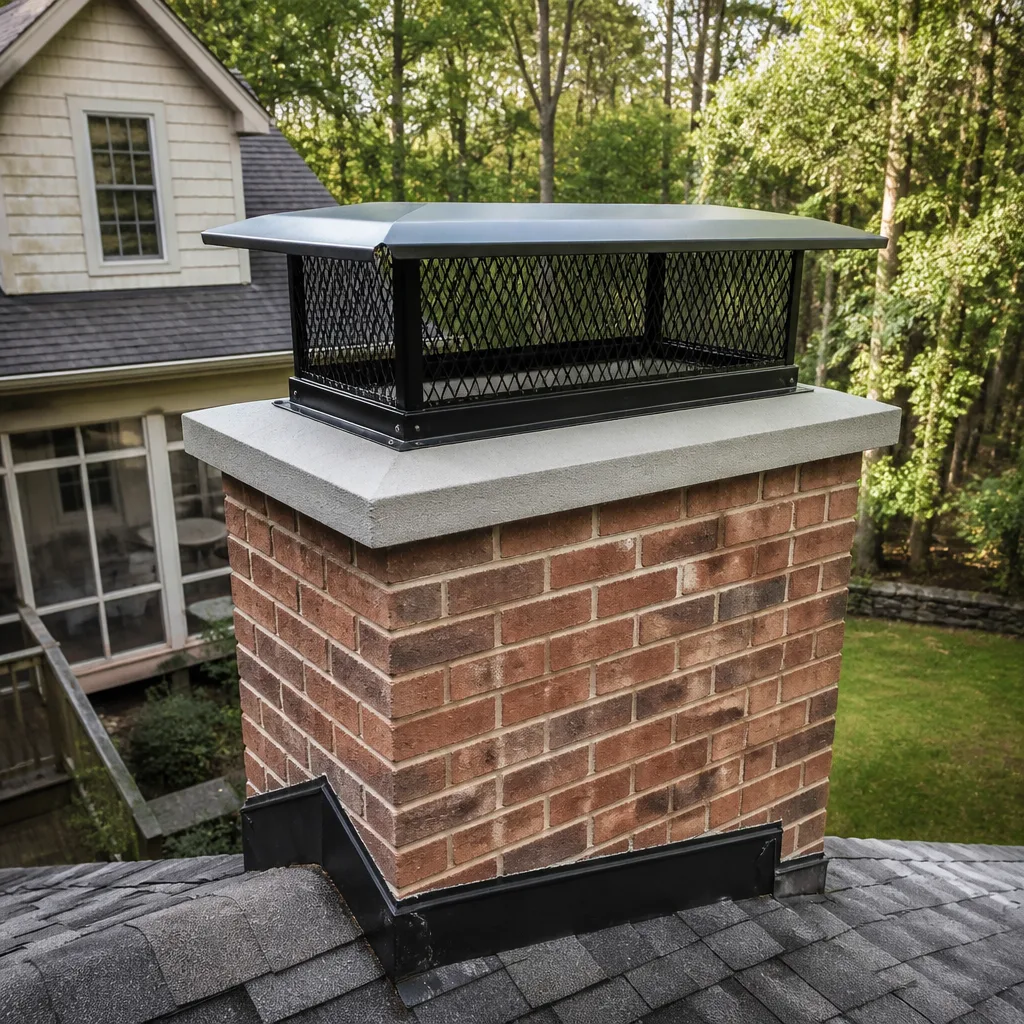
 Sweep & inspection
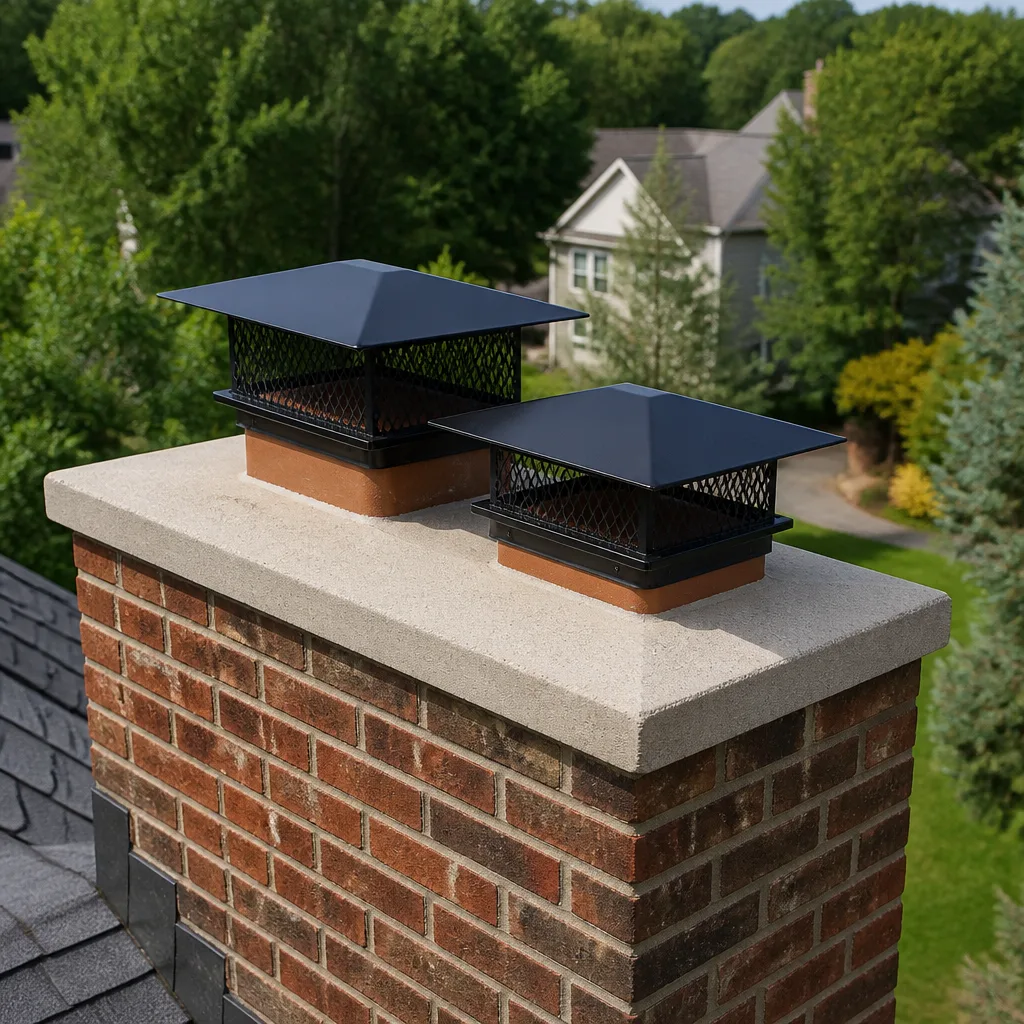 Caps & crowns
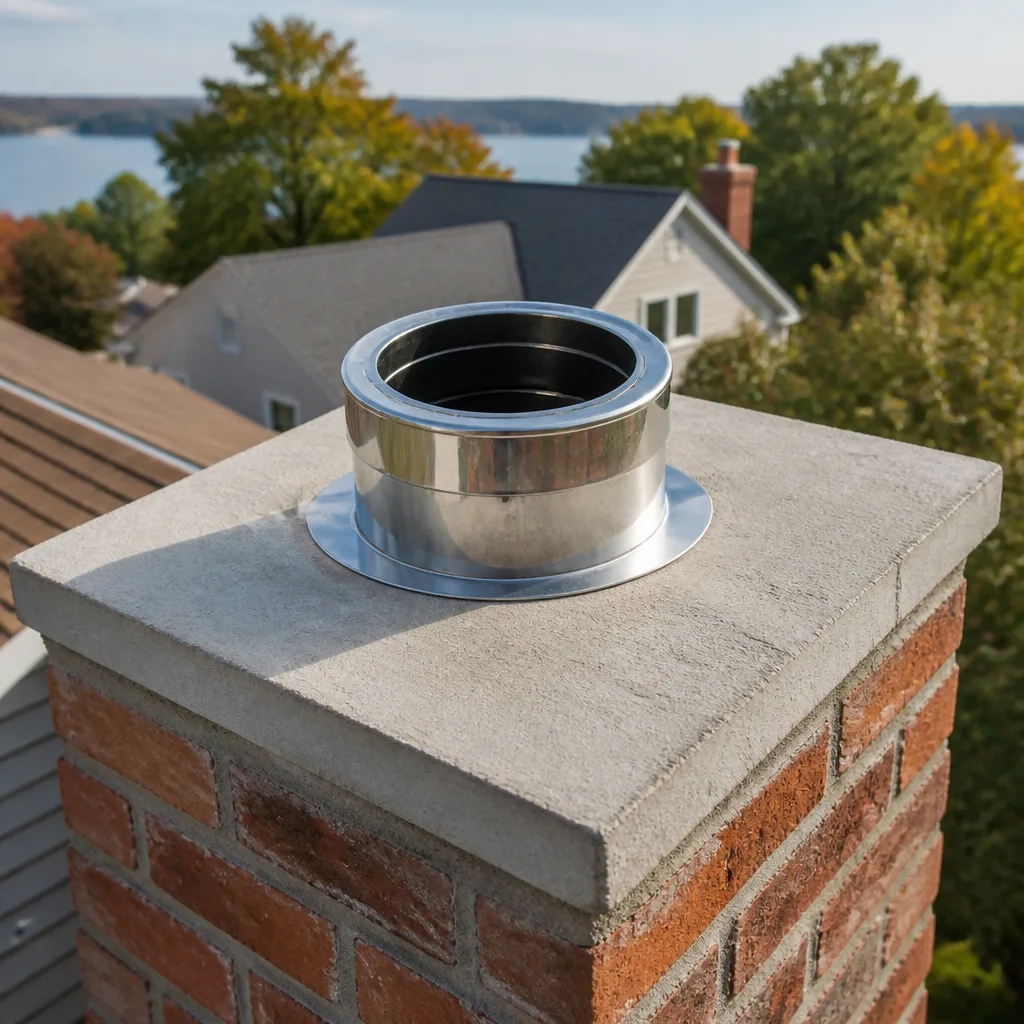 Flue relining
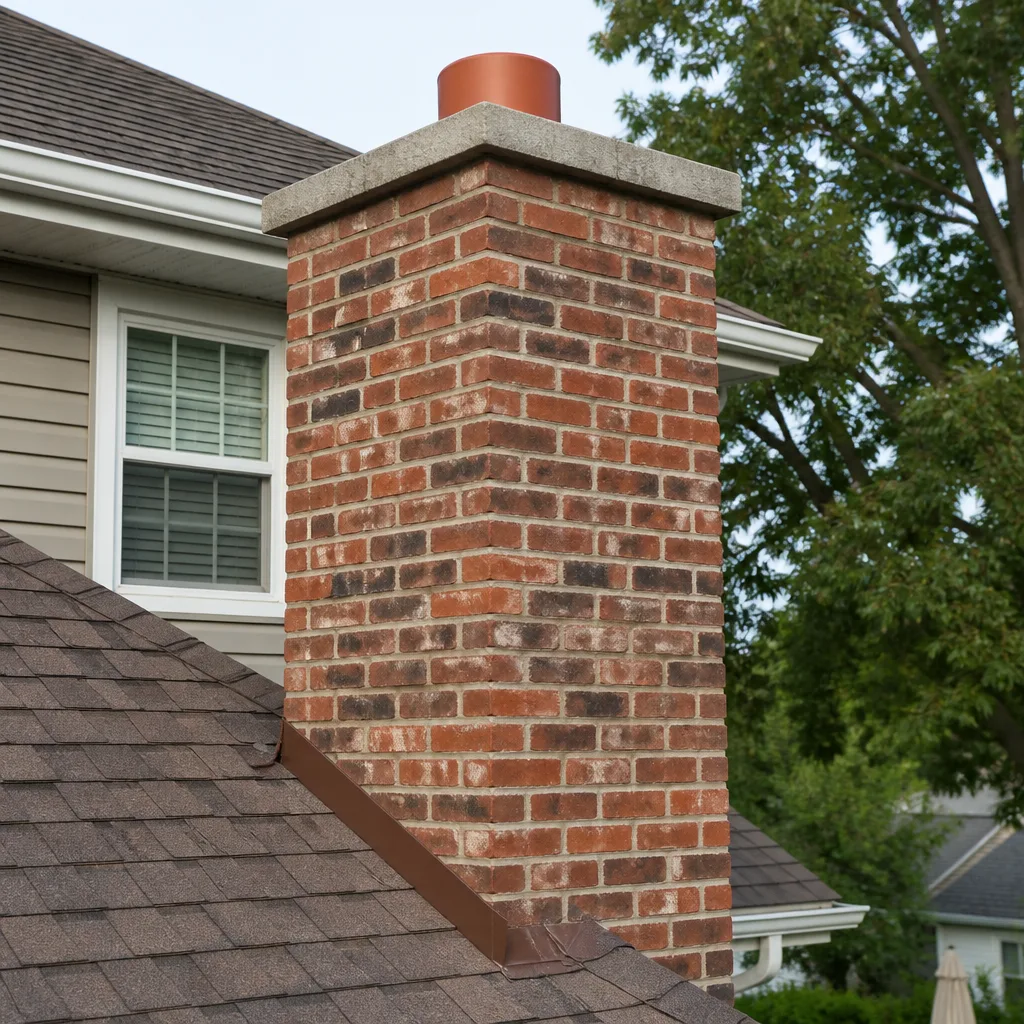 Masonry repair
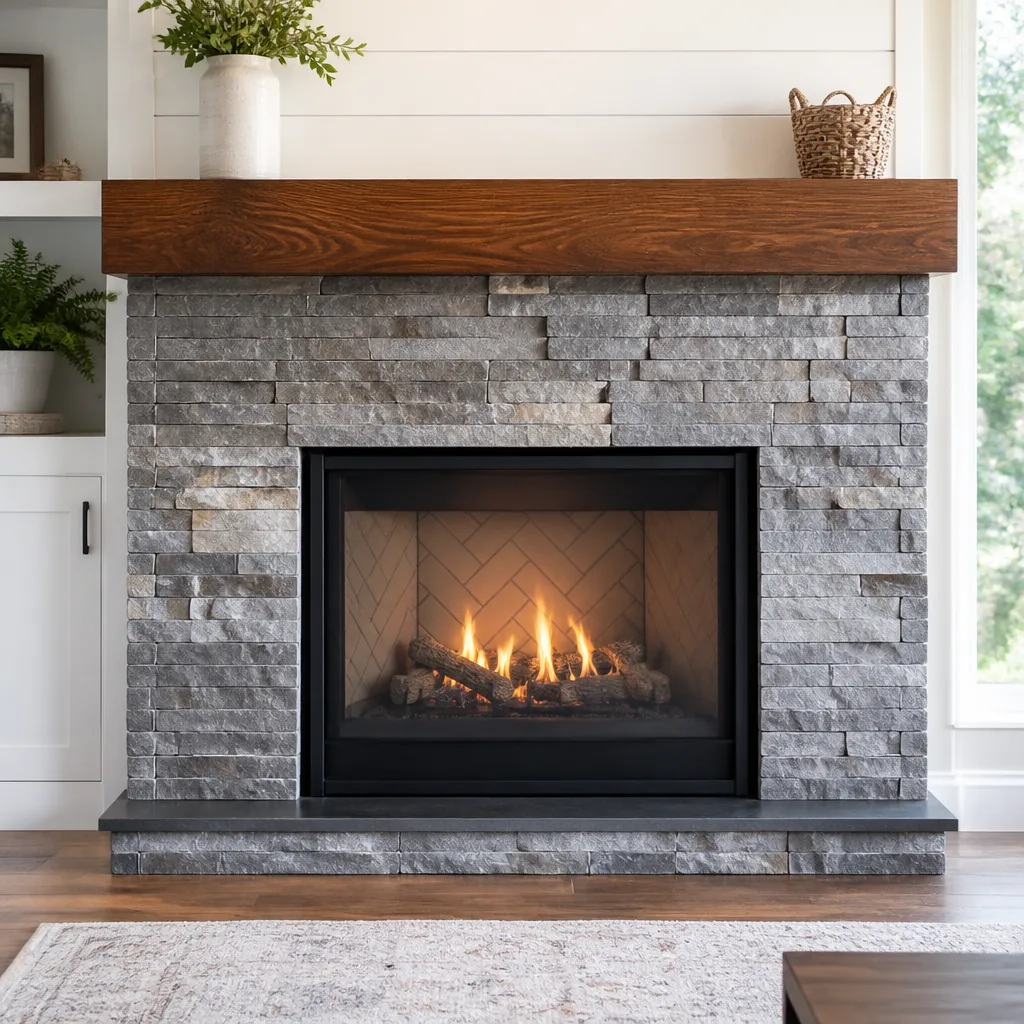 Gas fireplace service
Level 1 sweep and inspection to the NFPA 211 annual standard - flue, crown, cap, and flashing checked and photographed
Chimney sweep logs do not sweep chimneys. They loosen some creosote - which then falls where a brush and vacuum still have to collect it.
HeatShield Chimney Cap Installation: The San Francisco Owner’s Guide
HeatShield chimney cap installation in San Francisco typically runs $325 – $595 installed, depending on your flue size and whether the existing cap bracket needs replacement or just the cap itself. We stock HeatShield-compatible caps and components on the truck, so most San Francisco jobs are done in a single visit. Most homeowners discover the problem the hard way: a rusted cap that’s started tilting, water staining on the ceiling near the chimney chase, or the distinct smell of damp soot drafting back into the house on foggy mornings. Here’s the straight answer on what failed, what it costs, and what actually needs to happen next.
Which HeatShield Models This Applies To
HeatShield manufactures caps and chase covers for both masonry chimneys and factory-built (prefab) systems, and the compatibility question trips up more San Francisco homeowners than any other single issue. The cap you need depends on your flue’s inside diameter: most Bay Area masonry fireplaces run 8″x8″ or 13″x13″ flue tiles, while prefab units from builders like Heatilator or Majestic have their own listed cap assemblies that must match the manufacturer’s listing for that exact model. Look for the metal tag riveted inside the firebox door or on the chase top; that tag gives you the model number and the flue diameter. If the tag’s gone (common in older Sunset District and Richmond District homes where salt air has eaten the printing), we measure the flue opening and the existing cap base to match it.
One thing we want to be clear about: Alcott Chimney San Francisco is an independent service provider, not affiliated with HeatShield. We install genuine HeatShield caps and chase covers, and we also stock quality aftermarket equivalents where the HeatShield part has been discontinued or where a listed aftermarket cap gives the same fit at a better price. For HeatShield specifically, we recommend genuine HeatShield caps when the existing cap’s lock ring, spark arrestor, or chase cover flange needs replacement. For the common case of a rusted cap over a masonry flue, a stainless steel aftermarket cap with the same inside-diameter specs often performs identically and costs $40 – $80 less. The key check: the cap’s inside collar must fit over the flue tile with no more than a half-inch gap, and the mesh spark arrestor must be 5/8″ mesh or finer to keep embers out during fire season.
Styles & brands we work with
Signs Your HeatShield Chimney Cap Installation Is Failing
- Rust streaks running down the cap or chase cover. HeatShield’s galvanized caps hold up reasonably well, but in San Francisco’s salt-fog environment, the zinc layer wears through faster than inland. Once the base steel is exposed, you’ve got months, not years.
- Water stains on the ceiling or wall near the chimney. A failed cap lets rain and fog drip straight down the flue. In older San Francisco homes with unlined masonry chimneys, that water soaks into the mortar joints and migrates through to the drywall.
- The cap is visibly tilted or leaning. High wind off the Pacific, especially in the Outer Sunset and along Twin Peaks, gradually loosens the bracket bolts. A tilted cap can’t shed water evenly and often lets rain in on one side.
- You hear birds or find nesting material in the firebox. A missing or damaged spark arrestor screen is an open invitation. Starlings and sparrows nest in San Francisco chimneys year-round, and a nest against a hot flue is a fire hazard.
- Smoke backs up into the room on cold starts. A cap that’s rusted shut or blocked by debris starves the flue of draft. We see this most often in the first fire of the season, when the temperature differential between inside and outside air is tight.
See the difference
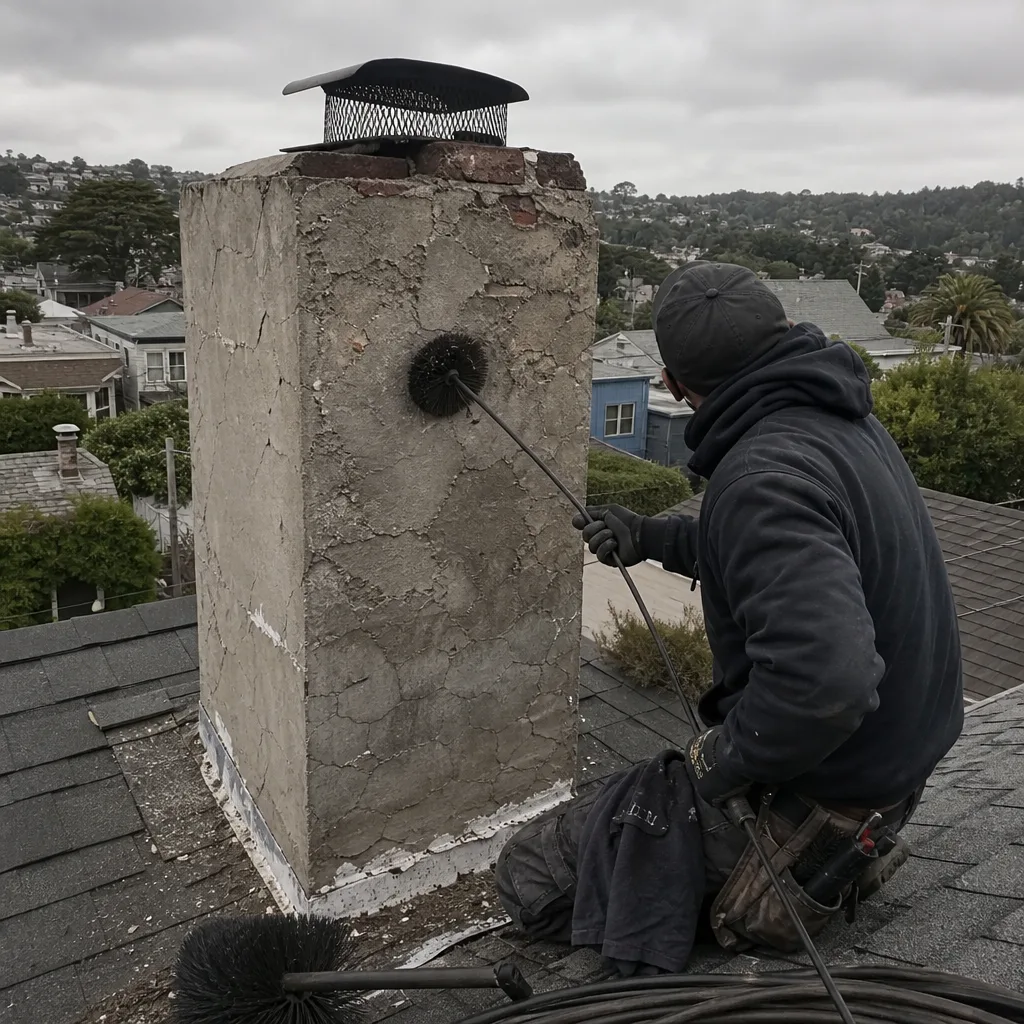 Before
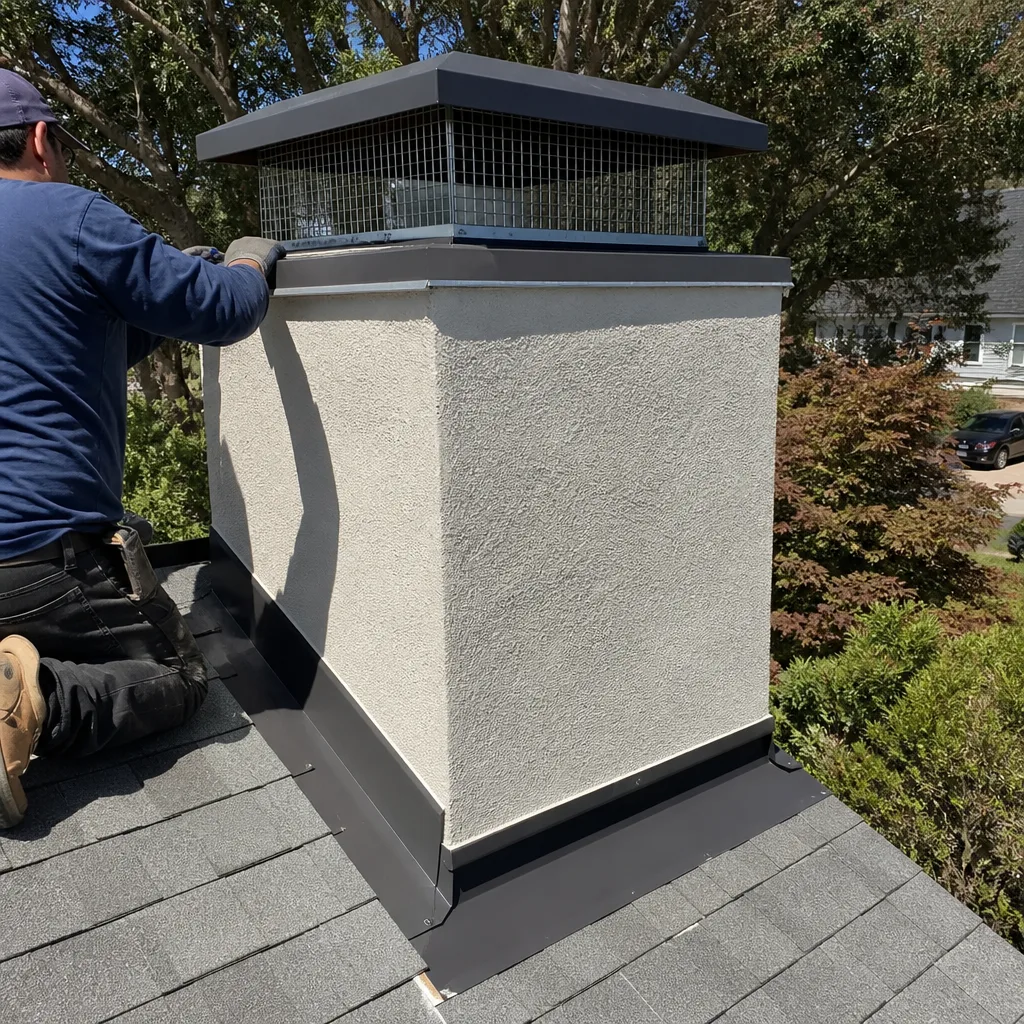 After
After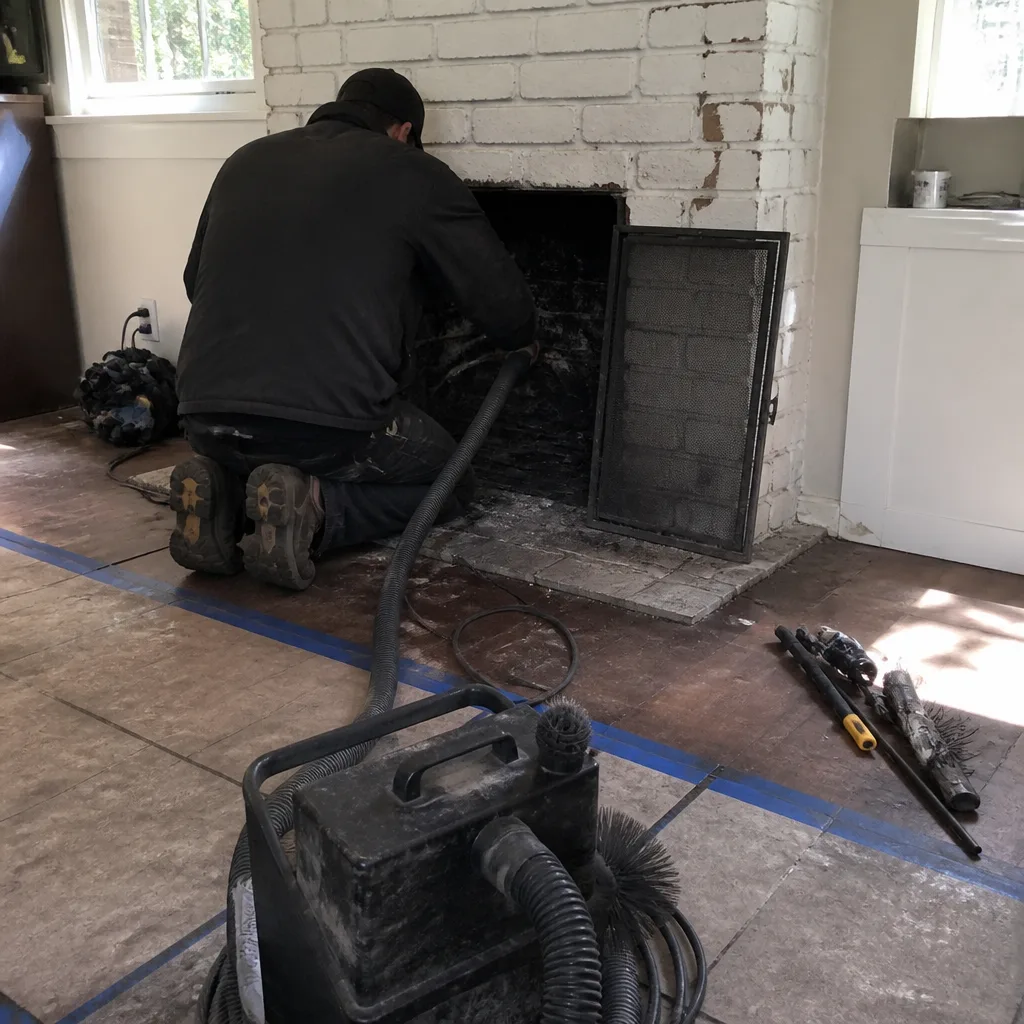 Before
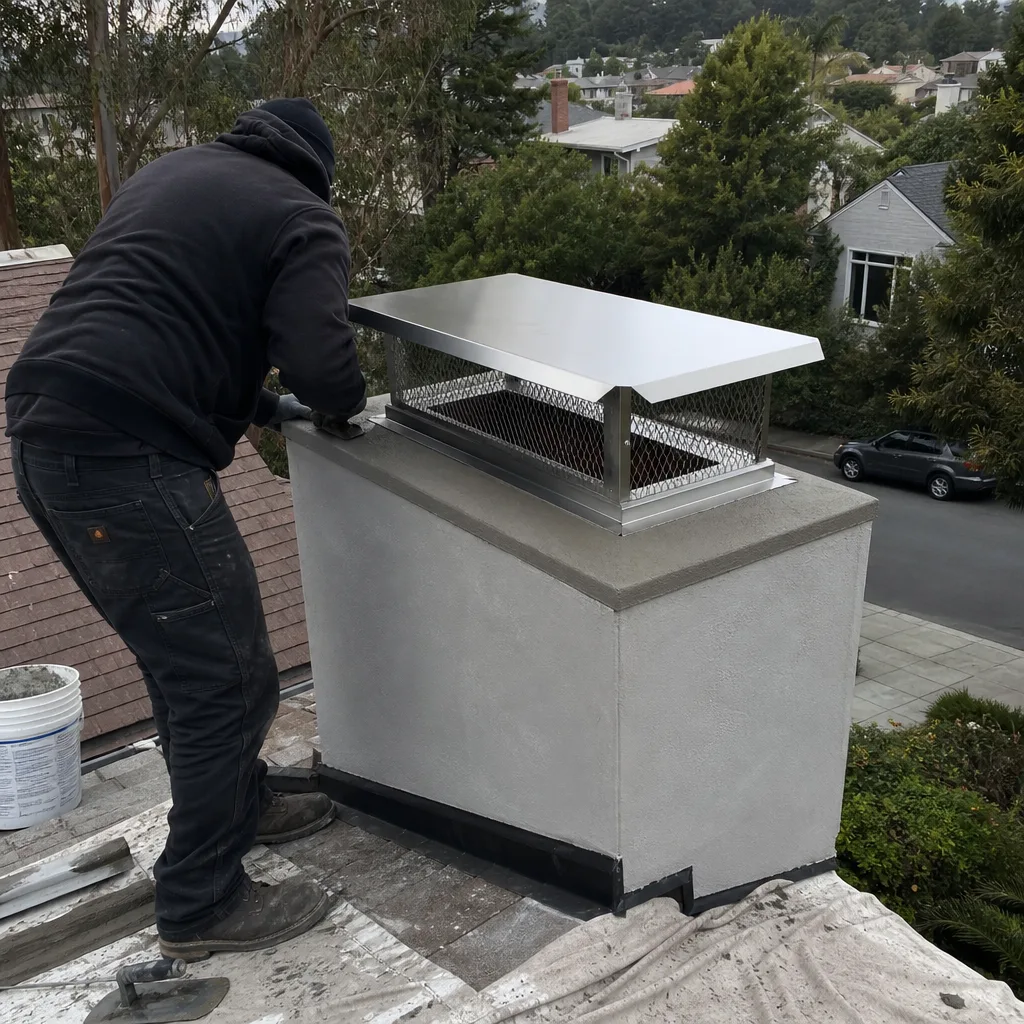 After
After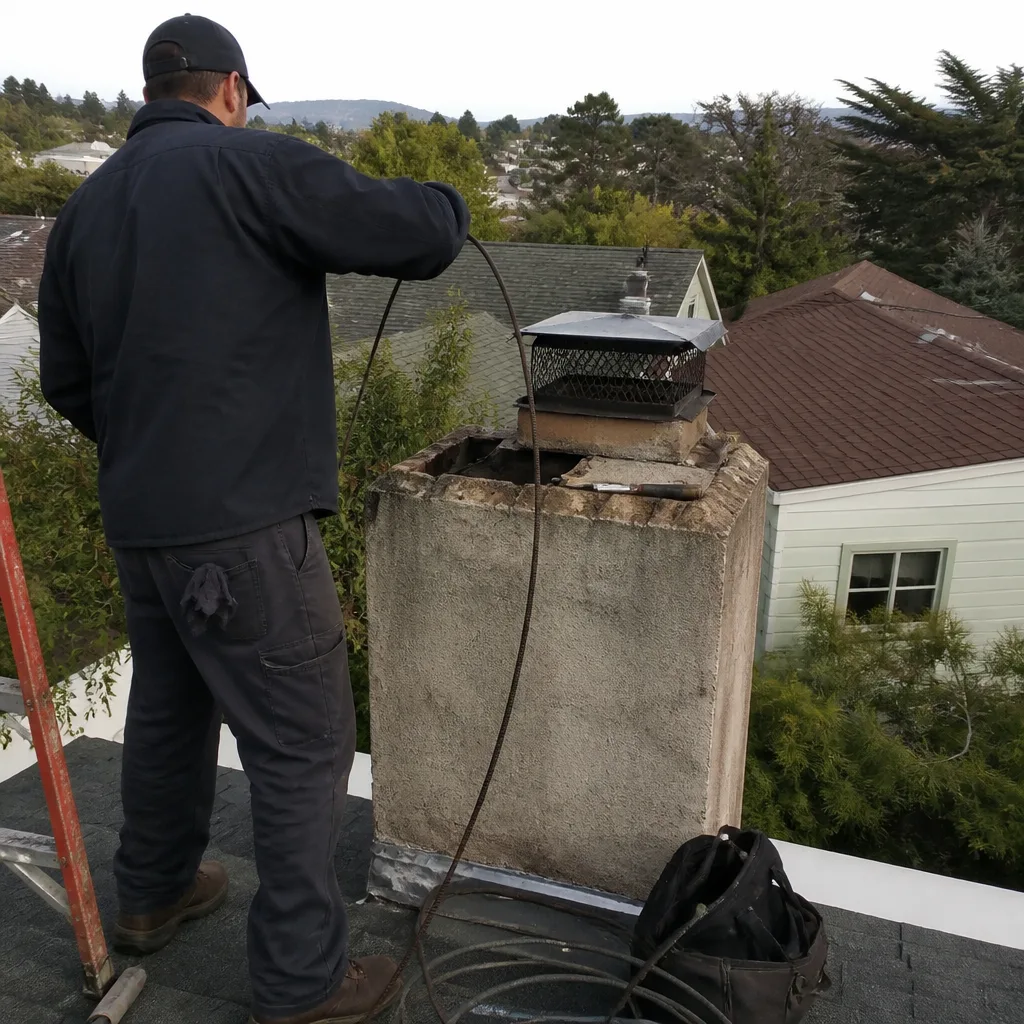 Before
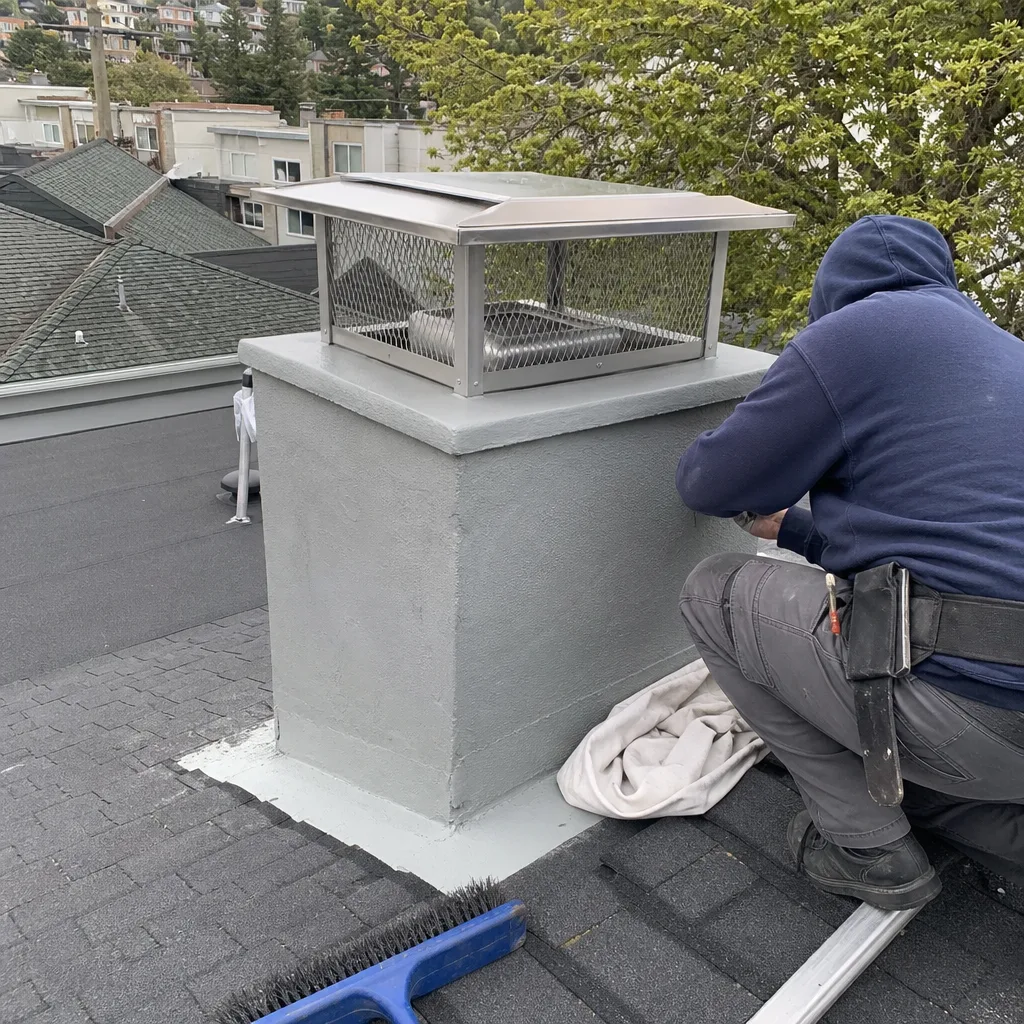 After
AfterReplacement Cost & What’s Included
A HeatShield chimney cap installation in San Francisco runs $325 – $595 for most jobs. The main variables:
- Cap type and material: A standard stainless steel cap with spark arrestor runs $180 – $310 for the part. A larger cap for oversized flues or a custom chase cover for a prefab unit runs $350 – $500+ for the part alone.
- Bracket or chase cover replacement: If the old bracket is rusted through or the chase cover itself has corroded, you’re adding $90 – $180 in materials and another 30 – 45 minutes of labor.
- Access difficulty: Steep roof pitches in neighborhoods like Bernal Heights or Noe Valley add ladder time. If we need a roof anchor or a second technician for safety, labor adjusts accordingly.
Every Alcott Chimney San Francisco job starts with a written price before any work begins. That price includes the cap, the bracket or chase hardware, the installation labor, a camera inspection of the flue below the cap (you’ll see the photos), and a written guarantee on the work. If the cap fails within 365 days, the second visit is free. That’s the 365-Day Done Right Promise, and it’s non-negotiable: it’s included on every repair, no fine print to opt into.
DIY or Call Us?
Here’s the honest split. You can absolutely check the cap yourself from the ground with binoculars: look for rust, tilt, missing mesh, or visible gaps. You can also check your firebox for water stains or debris. What you should not do is climb onto a San Francisco roof to replace the cap yourself. Steep pitches, clay tile or slate roofing, and wet fog-slick surfaces make roof work genuinely dangerous. We’ve taken calls from homeowners who got onto their roof to “just take a look” and ended up with a broken tile or worse. The cap itself is simple to install once you’re up there, but getting up there safely is skilled labor.
Tell me what you’re seeing, and I’ll tell you straight what it means. Call (831) 534-3789 and describe the cap condition or send a photo. We’ll give you a real price before anyone climbs a ladder.
FAQs
A stainless steel cap typically lasts 8 – 12 years in San Francisco’s marine environment; galvanized steel caps usually wear out in 5 – 7 years because of the salt fog. If you’re within a few blocks of the ocean in the Outer Sunset or Richmond, expect the shorter end of both ranges. Call (831) 534-3789 for an exact quote; estimates are free.
Small issues like a loose bracket can be tightened, but a rusted cap body or damaged spark arrestor screen is almost always a replace, not a repair. Patching rusted galvanized steel costs nearly as much as a new cap and buys you about a year. If we can save yours safely, we will; if not, we’ll say so plainly.
Most cap replacements take 45 – 90 minutes on site, including the camera inspection below the cap. Jobs that require a new chase cover or bracket fabrication run 2 – 3 hours, and we’ll tell you which one applies before you book.
Yes. We carry common HeatShield-compatible caps and aftermarket equivalents in standard sizes, and we also stock parts for DuraFlex and Gelco systems. If your cap requires a special order, we’ll have the part in hand before we schedule the install, not after.
Written by Ruben Castellano, Owner, Alcott Chimney San Francisco at Alcott Chimney San Francisco, serving San Francisco and nearby areas.