
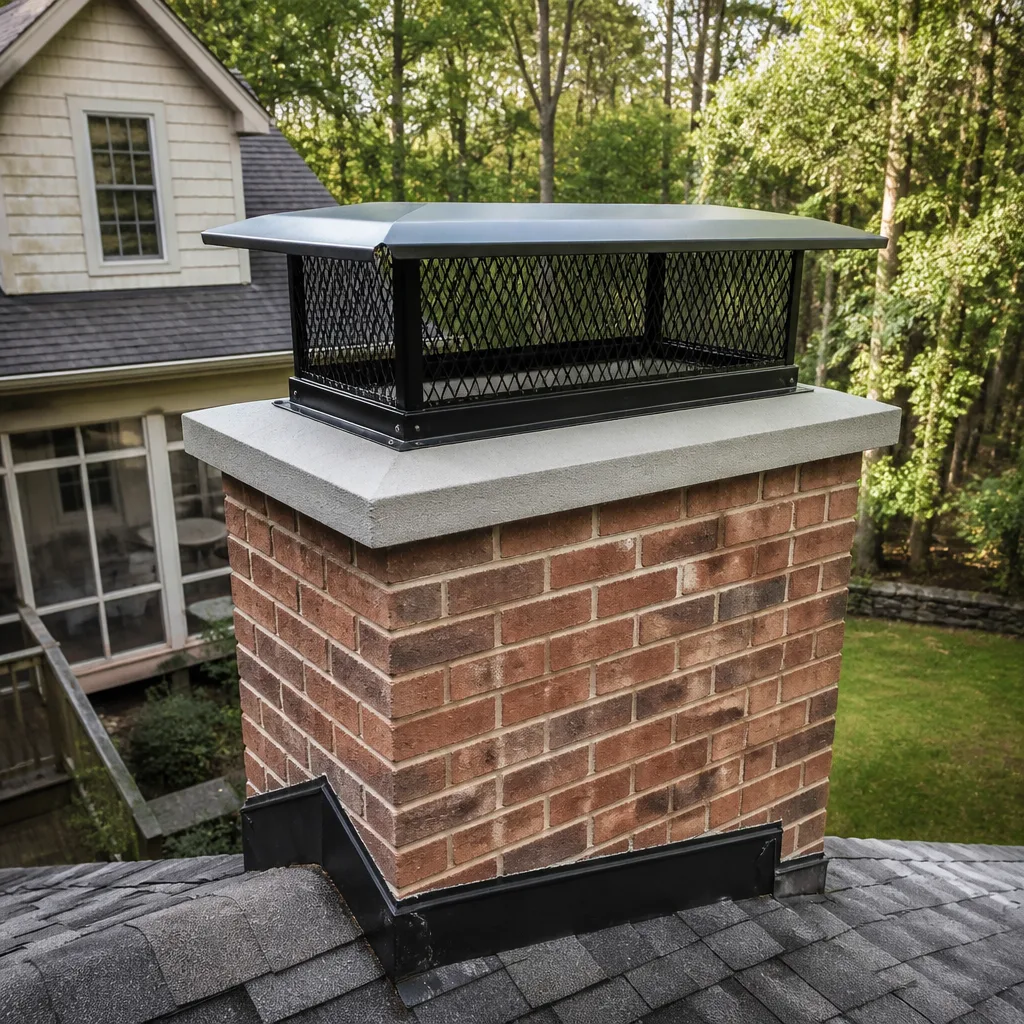
 Sweep & inspection
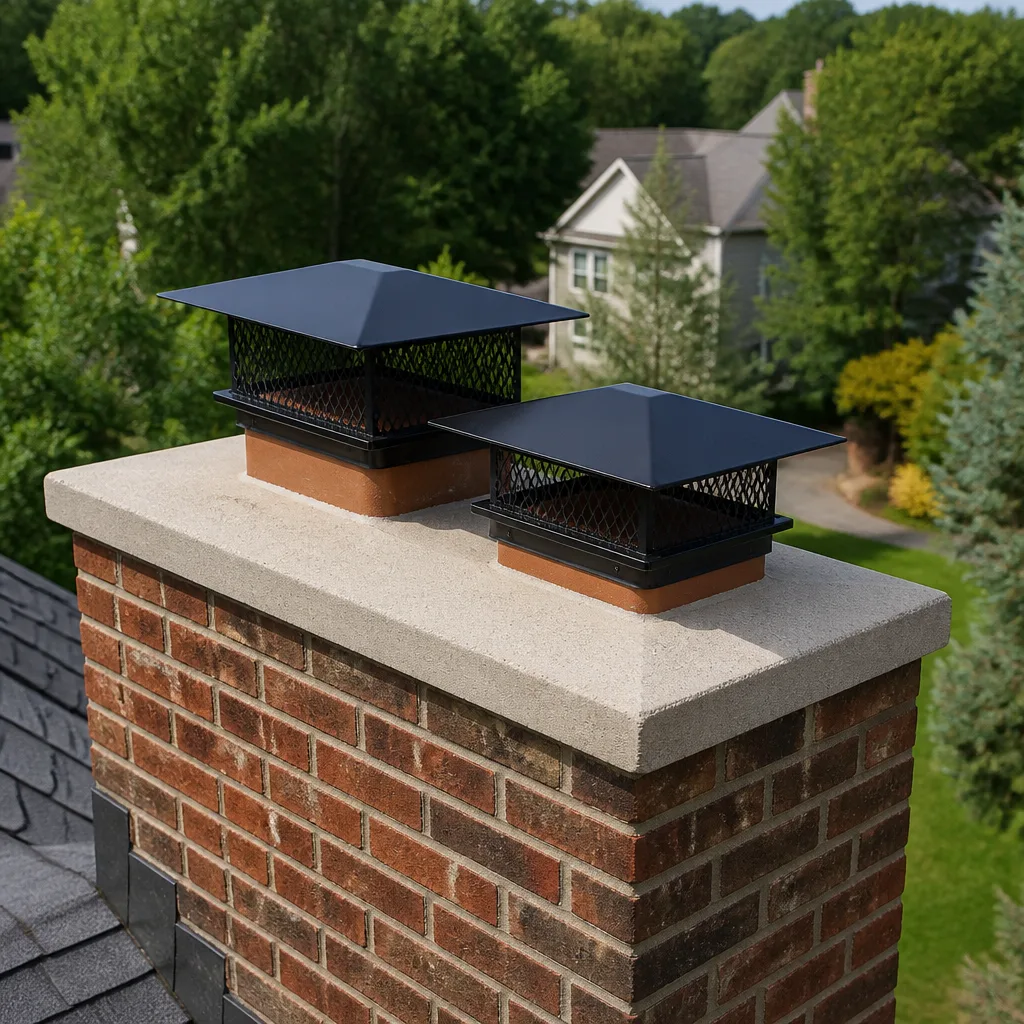 Caps & crowns
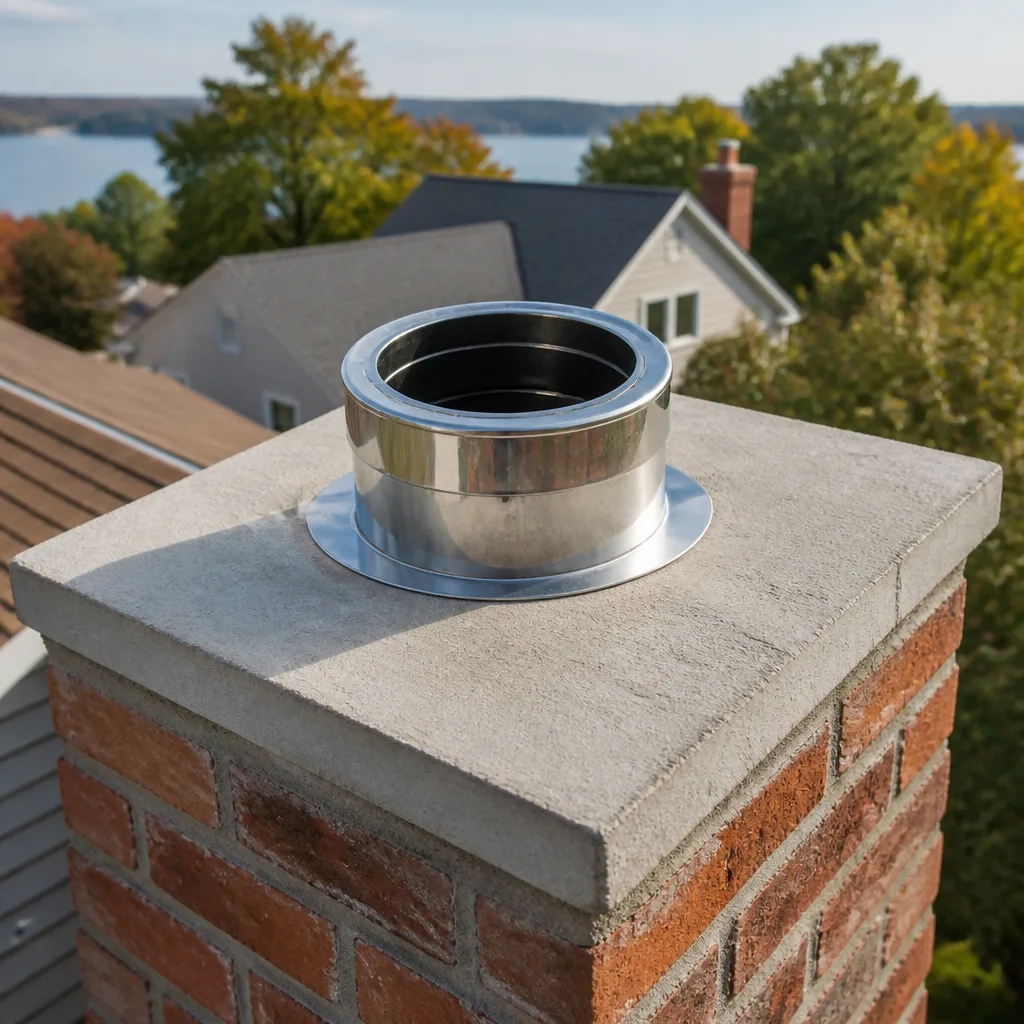 Flue relining
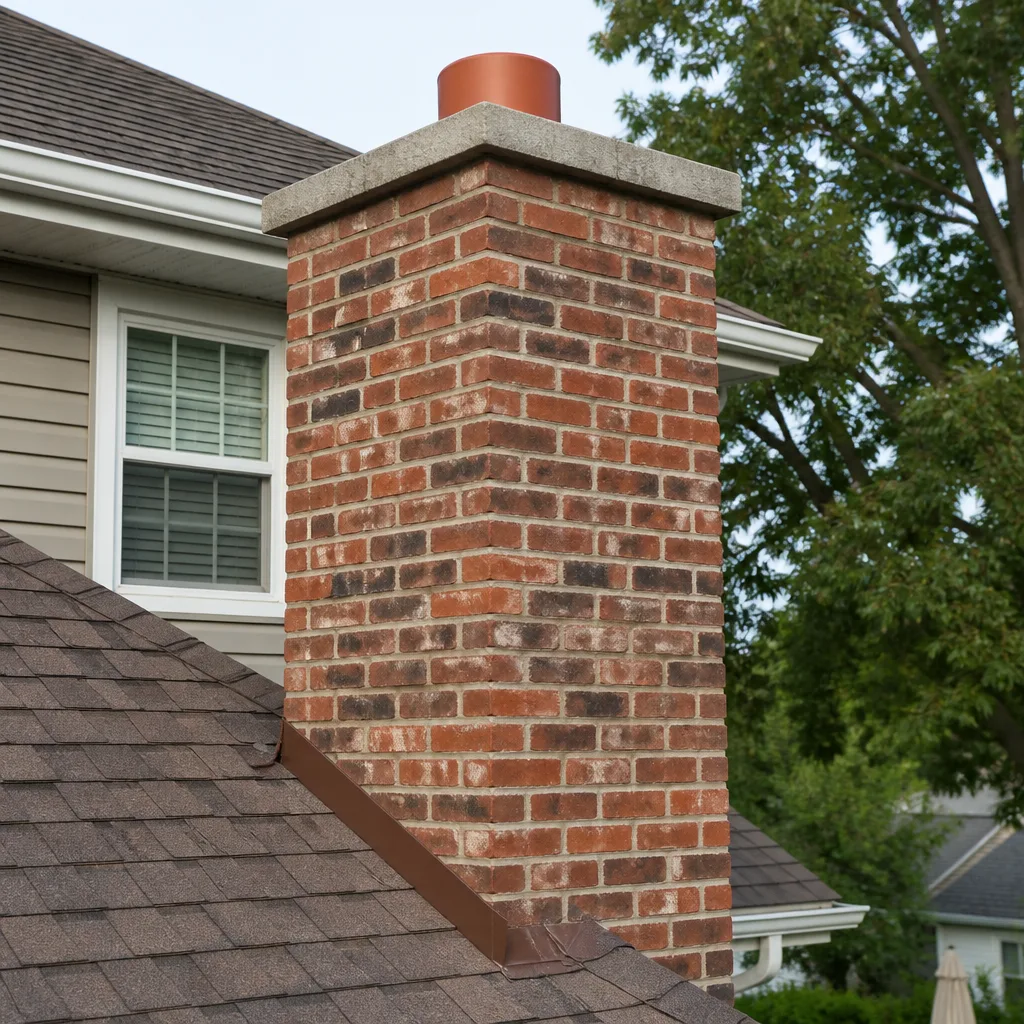 Masonry repair
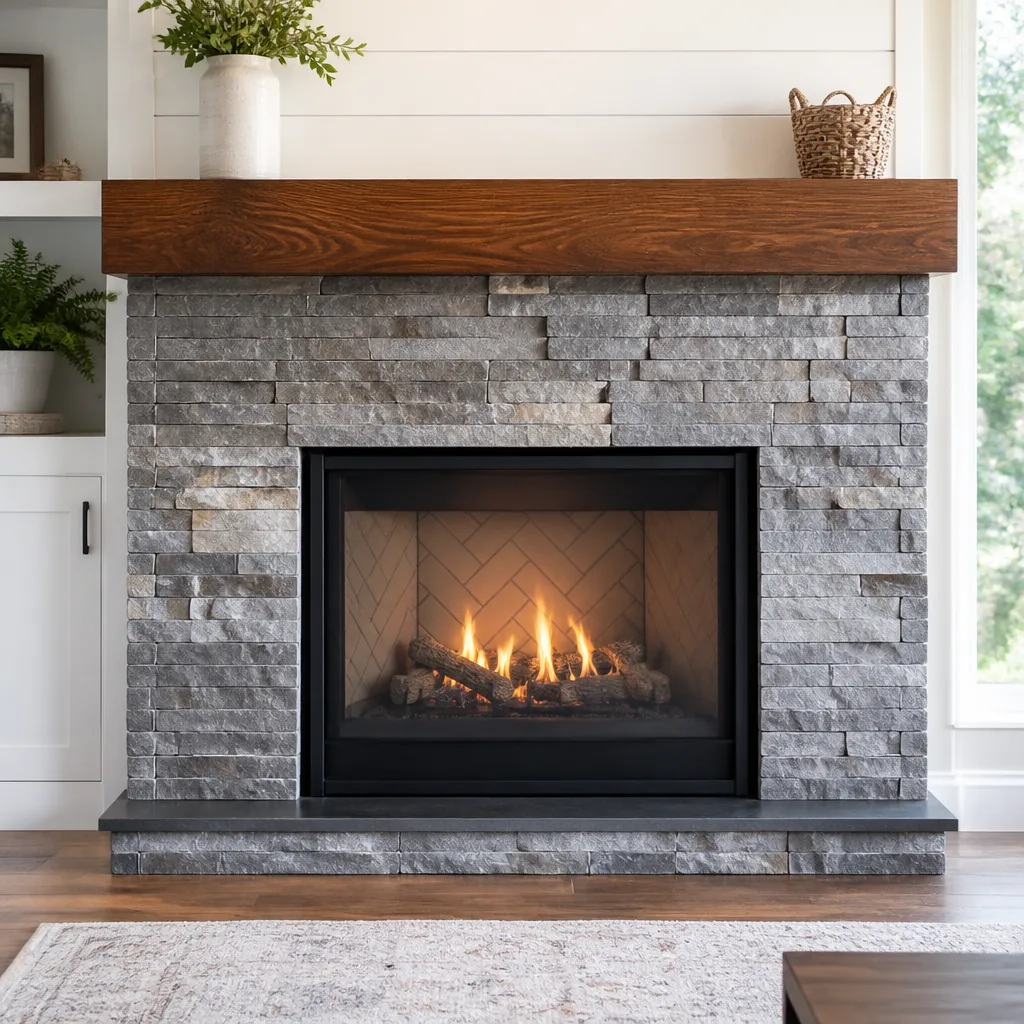 Gas fireplace service
Level 1 sweep and inspection to the NFPA 211 annual standard - flue, crown, cap, and flashing checked and photographed
Chimney sweep logs do not sweep chimneys. They loosen some creosote - which then falls where a brush and vacuum still have to collect it.
Famco Chimney Cap Installation: The San Francisco Owner’s Guide
We install Famco chimney caps in San Francisco weekly, and a typical cap replacement with installation runs $275 – $475 depending on the cap model, flue size, and roof access. We keep common Famco sizes on the truck, so most San Francisco homeowners get the swap done in a single visit. The way owners usually find us: they spot rust flakes on the roof, hear water dripping in the firebox after a storm, or a chimney inspection flags the old cap as compromised. If your Famco cap is failing, the fix is straightforward, and we’ll show you exactly what’s wrong before we touch anything.
Key takeaways:
- Famco caps are workhorse products, but San Francisco’s salt air and fog accelerate rust at the seams and mesh.
- We match your cap to the flue’s outside dimensions, not the inside opening, which is where DIY orders go wrong.
- Installed pricing is flat and written before work starts. No surprises.
- Every cap install carries our written guarantee. If it fails within the year, we come back free.
Which Famco Models This Applies To
Famco makes three cap lines we see most often in San Francisco: the standard galvanized series, the stainless steel series, and the copper-decorative line for homes where the cap is visible from the street. Within each line, sizes are keyed to the outside dimensions of your flue tile or metal pipe, and that’s the first compatibility gotcha. If you order a cap by the fireplace opening size or the inner flue diameter, it will not fit, and we’ve corrected that mistake for more than a few Sunset District homeowners who bought online first and called us after the box arrived.
We’re an independent service provider, not a Famco dealer or affiliate, which means we recommend what your flue actually needs. For galvanized caps within a block or two of the ocean, we lean toward upgrading to Famco’s stainless line. Galvanized caps carry a lower price, but San Francisco’s marine layer shortens the realistic lifespan to five to seven years before seam rust shows up. Stainless typically doubles that. If you have the original cap’s model tag or can send us a photo with a tape measure held against the flue tile, we can usually tell you before we arrive whether we’re bringing the right cap.
Styles & brands we work with
Signs Your Famco Chimney Cap Installation Is Failing
- Water in the firebox after rain. This is the most common failure signal, and it means the cap’s hood, seams, or the seal at the flue crown has opened up. Water that rides the outside of the flue tile slowly eats mortar joints, and on San Francisco Victorians the damage compounds fast in wet winters.
- Rust streaks on the chimney chase or shingles below the cap. Galvanized caps shed rust as the zinc layer fails. The streaks are cosmetic first, structural later, and they tell you the cap has already lost its protective coating.
- Mesh screen torn or missing. The mesh is what keeps birds, squirrels, and raccoons out of the flue. A torn screen is also how nest material and leaves get in, and a blocked flue is a carbon monoxide risk, not just a nuisance. San Francisco’s raccoons are persistent, and they don’t need a big opening.
- Loose or tilting cap after wind events. Fog-belt hills like Twin Peaks and Diamond Heights catch real wind. A cap that shifts is no longer seated on the flue, and gaps open up for water entry and spark escape.
- Debris in the firebox or a musty draft smell. When the cap fails quietly, the first thing you notice inside is twigs, dried leaves, or a stale smell when the damper is open. By then, the cap has already been compromised for a season or more.
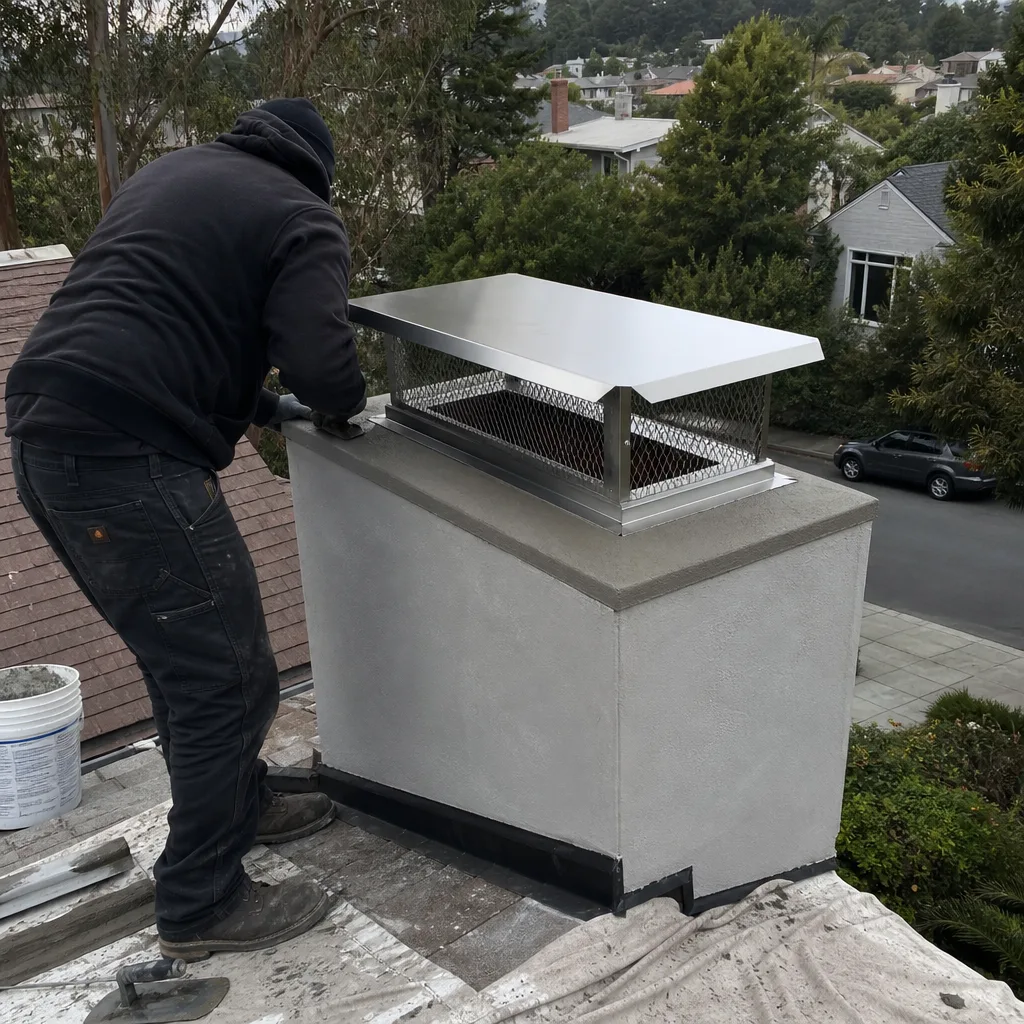
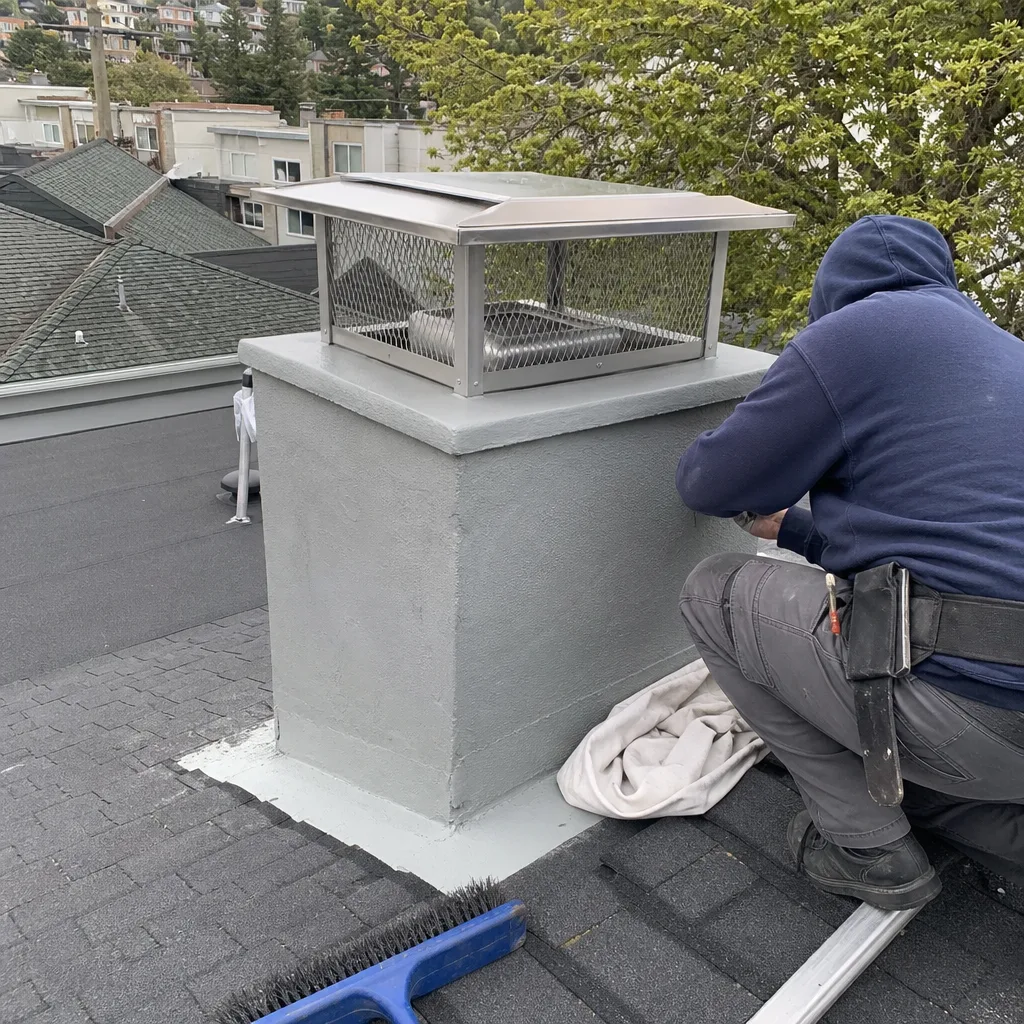
See the difference
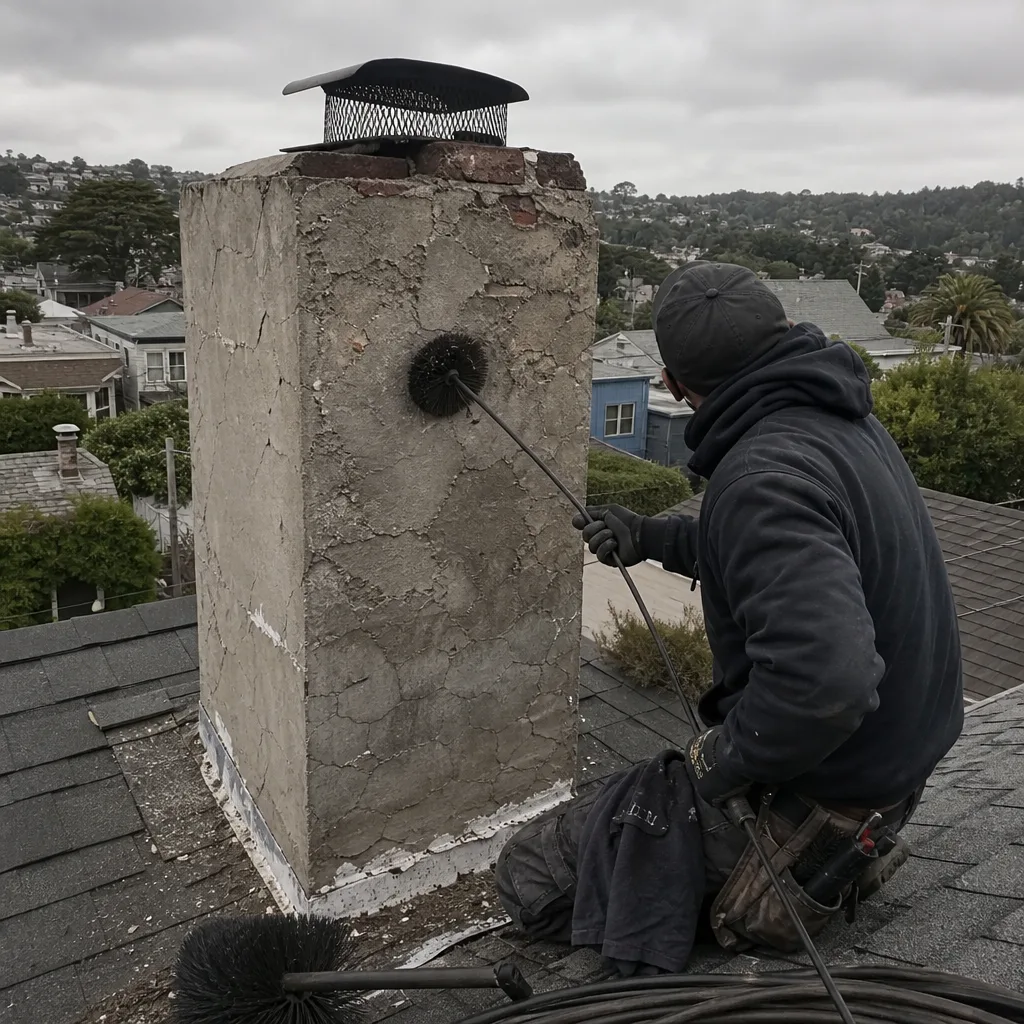 Before
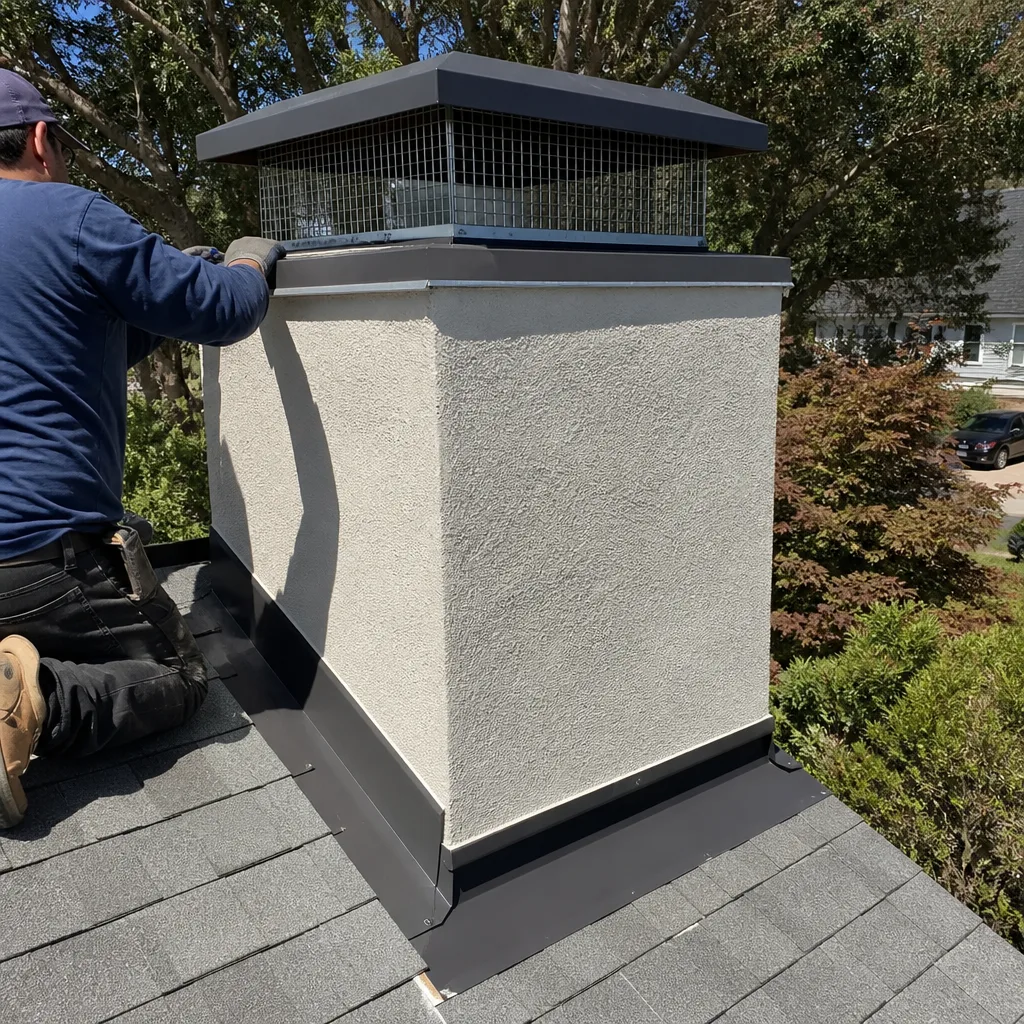 After
After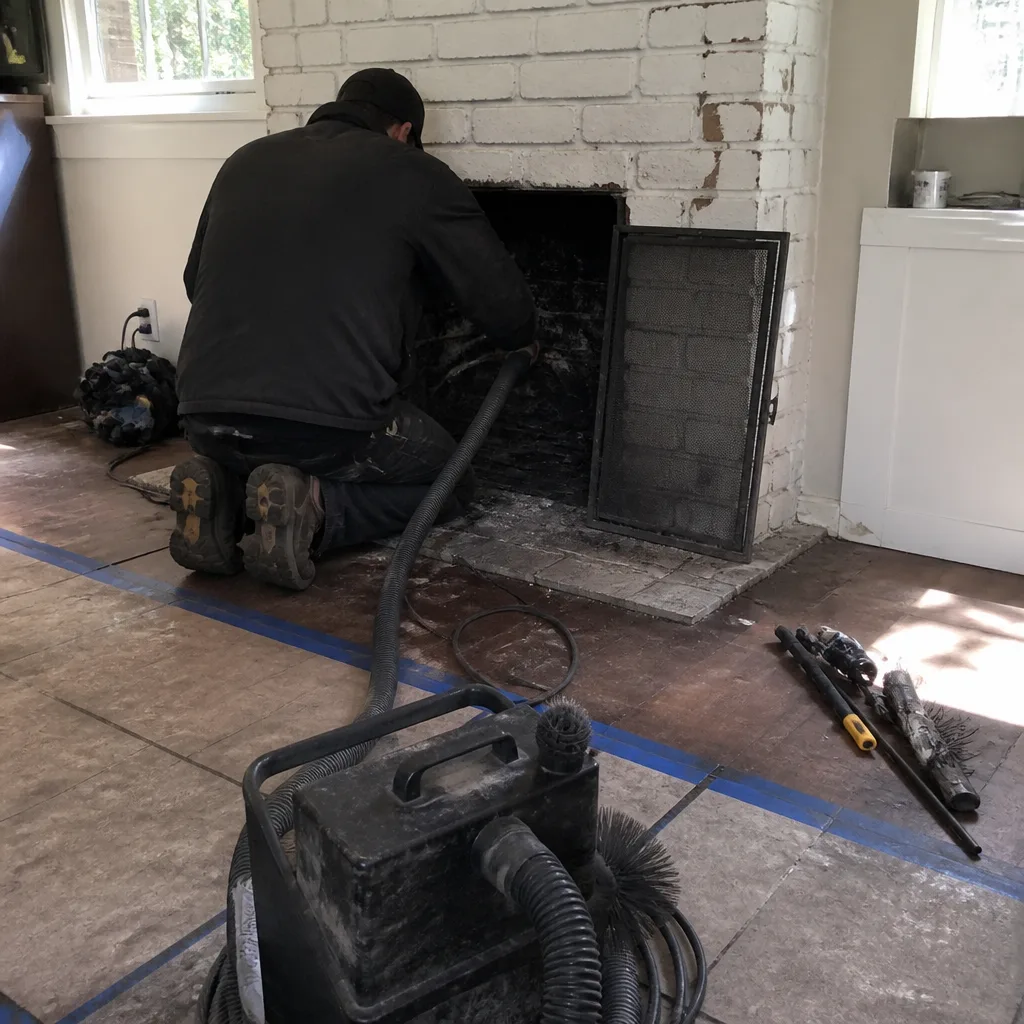 Before
 After
After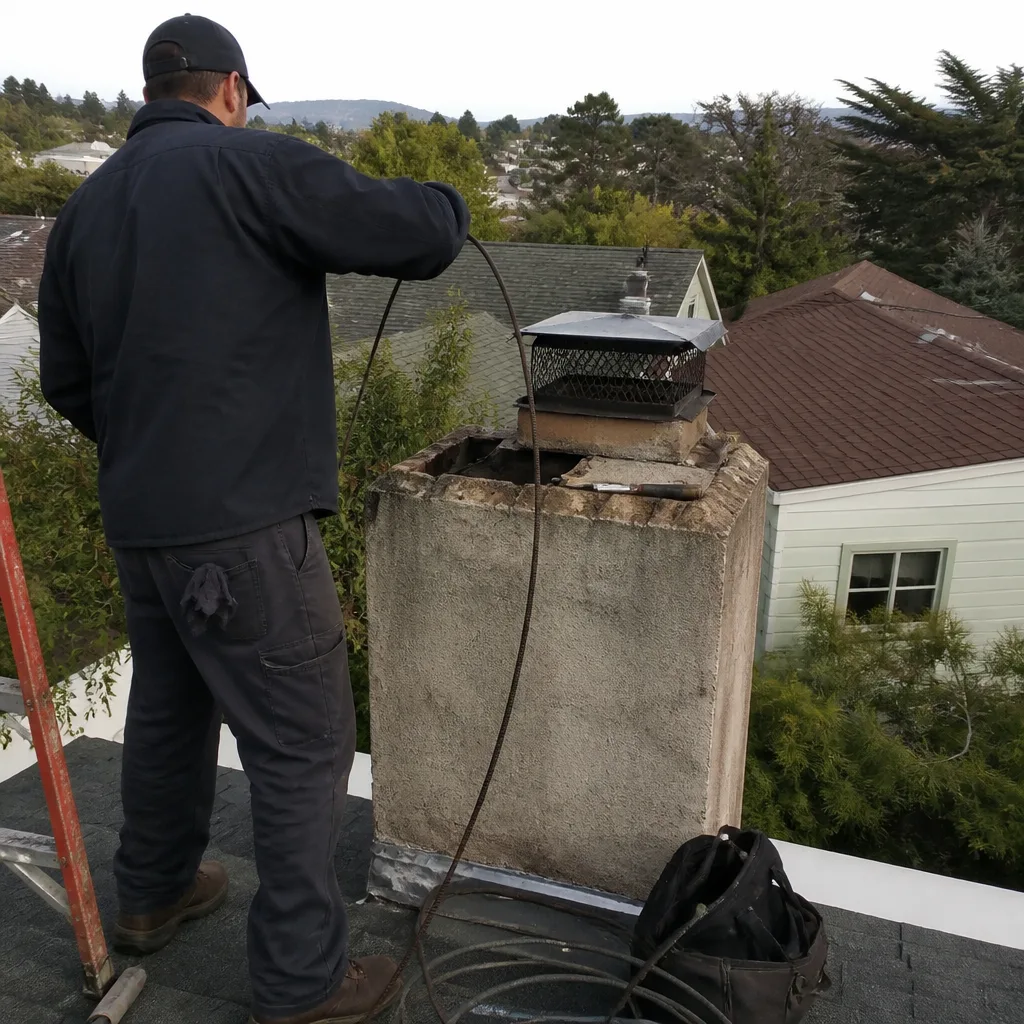 Before
 After
AfterReplacement Cost & What’s Included
In San Francisco, an installed Famco cap replacement lands between $275 and $475 for most single-flue homes. The range breaks down like this: a standard galvanized cap runs $90 – $130 as a part, stainless runs $140 – $220, and copper starts around $250 and climbs with size. Labor includes rooftop access, removal of the old cap, cleaning the flue crown edge so the new cap seats properly, and a watertight fit. Multi-flue caps, steep-pitch roofs, or chimneys requiring ladder setup from an awkward grade can push the upper end of that range.
We give you a written price before any work starts, and the quote includes the cap, the labor, and the old cap removal. No surprise add-ons at the end. Every cap installation carries our written 365-Day Done Right Promise. If the cap loosens, leaks, or fails within a year, the second visit is free. We’re not interested in selling you a cap that outlasts the chimney, and we’ll tell you plainly if your flue has bigger problems that a cap won’t solve.
DIY or Call Us?
A chimney cap swap involves ladder work, rooftop maneuvering, and often kneeling at a sloped transition, and that’s where most DIY attempts in San Francisco go sideways. The flat-roof Sunset bungalows are one thing, but the Victorian rooflines near Alamo Square and the Mission’s steep pitches are genuinely dangerous without the right ladder setup and fall-protection habit. We’d rather see you watch from the ground and ask questions than work a cap on a wet tile roof.
What you can safely do before calling: take photos of the cap from the ground or a window, snap a close-up of any label or stamp, and measure the outside of the flue tile if you can reach it without a ladder. That helps us bring the right Famco cap on the first trip. Leave the roof work to someone who does it weekly. Call (831) 534-3789 and we’ll walk you through what you’re seeing. Tell me what you’re seeing, and I’ll tell you straight what it means.
FAQs
A galvanized Famco cap in San Francisco typically lasts five to seven years before seam rust becomes a visible problem, while the stainless steel line usually runs ten to fifteen years, depending on proximity to the fog and salt air. Homes within a few blocks of Ocean Beach or the bay will see faster wear on any galvanized metal. Call (831) 534-3789 and we’ll give you a straight answer on whether your cap is repairable or due for replacement.
Small mesh tears can sometimes be patched, but rust at the cap’s seams or at the mounting collar means the structural shell is already compromised, and a patch buys you a season at most. Unless the cap is near-new, replacement is usually cheaper than a repair plus a second service call within the year.
Most single-flue Famco cap installations take 45 to 90 minutes from ladder setup to finished job, including removing the old cap and cleaning the seating surface. Multi-flue systems or difficult roof access add time, and we’ll tell you the expected window when you book.
We carry the most common Famco sizes on our trucks, including standard single-flue galvanized and stainless models, and we also have access to the copper-decorative line with a short lead time. For unusual flue dimensions we source the exact size, and we’ll verify the measurement ourselves before placing the order so you’re not paying for a return.
For most San Francisco homes, we recommend Famco’s stainless steel line because it handles the marine layer and intermittent salt spray better than galvanized, and the price difference is modest over the cap’s lifespan. Copper is the right call for a visible cap on a period home where the look matters, but functionally stainless does the same job for less.
Written by Ruben Castellano, Owner, Alcott Chimney San Francisco at Alcott Chimney San Francisco, serving San Francisco and nearby areas.