
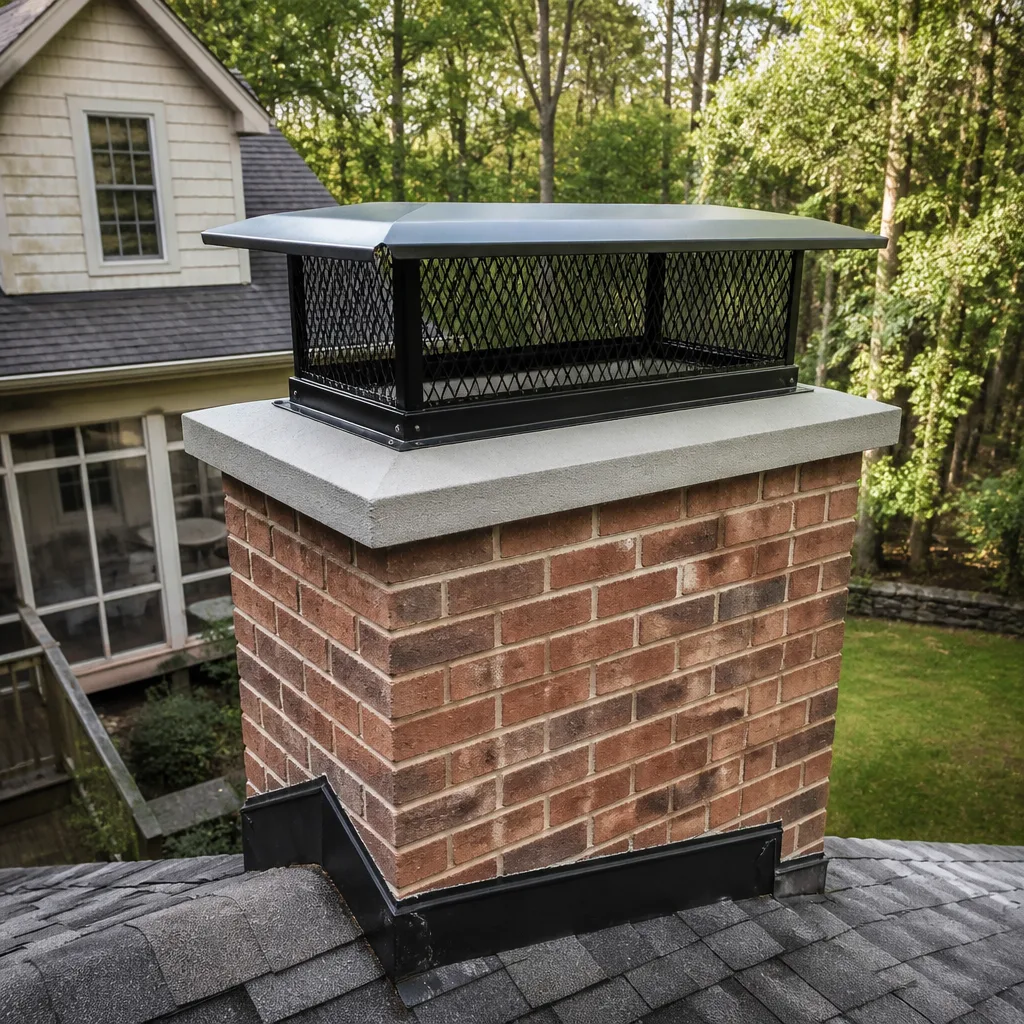
 Sweep & inspection
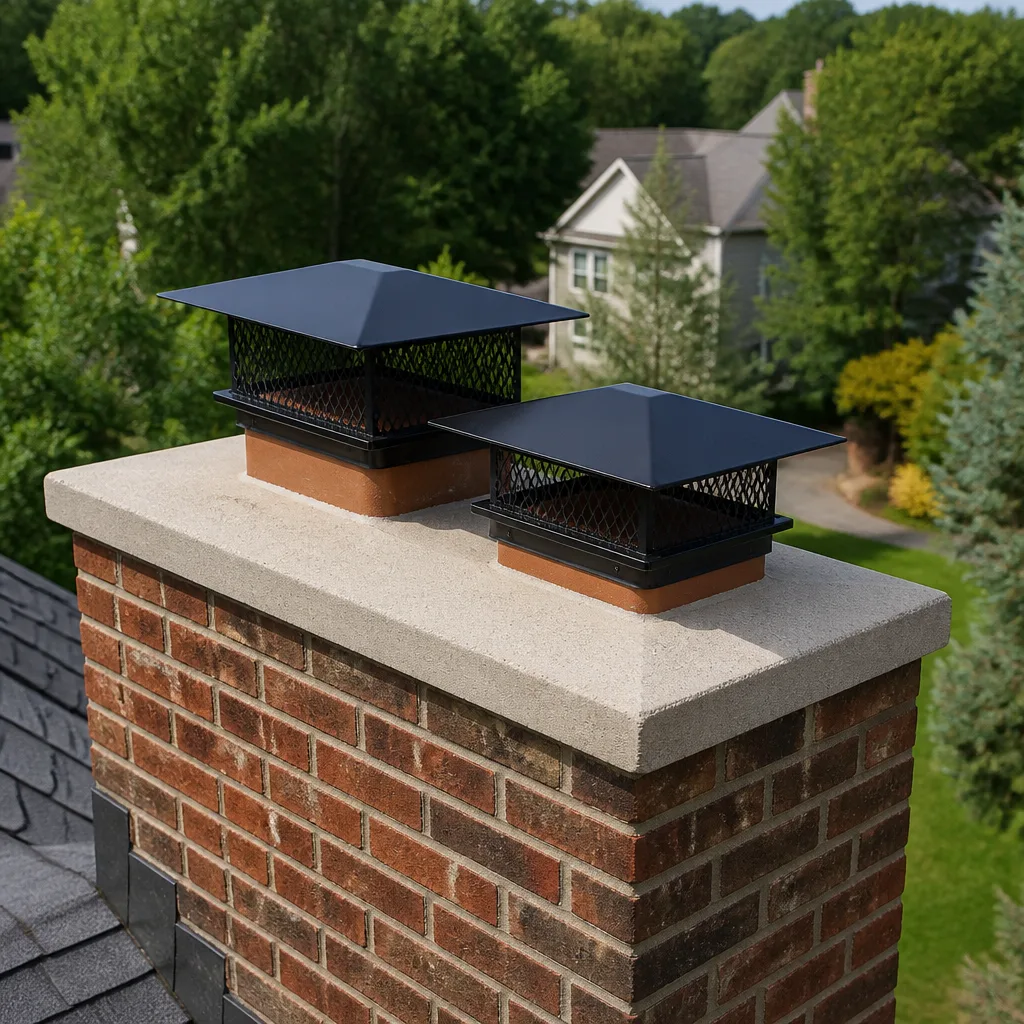 Caps & crowns
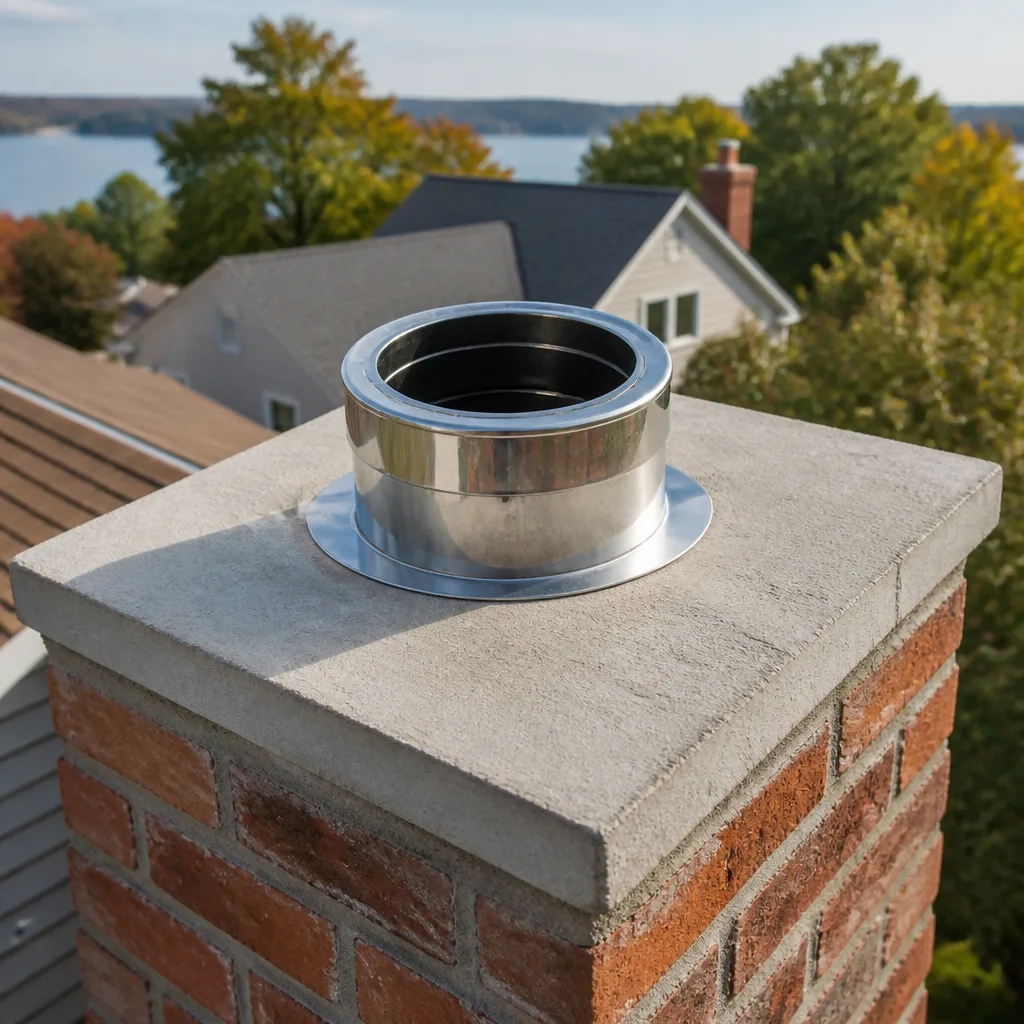 Flue relining
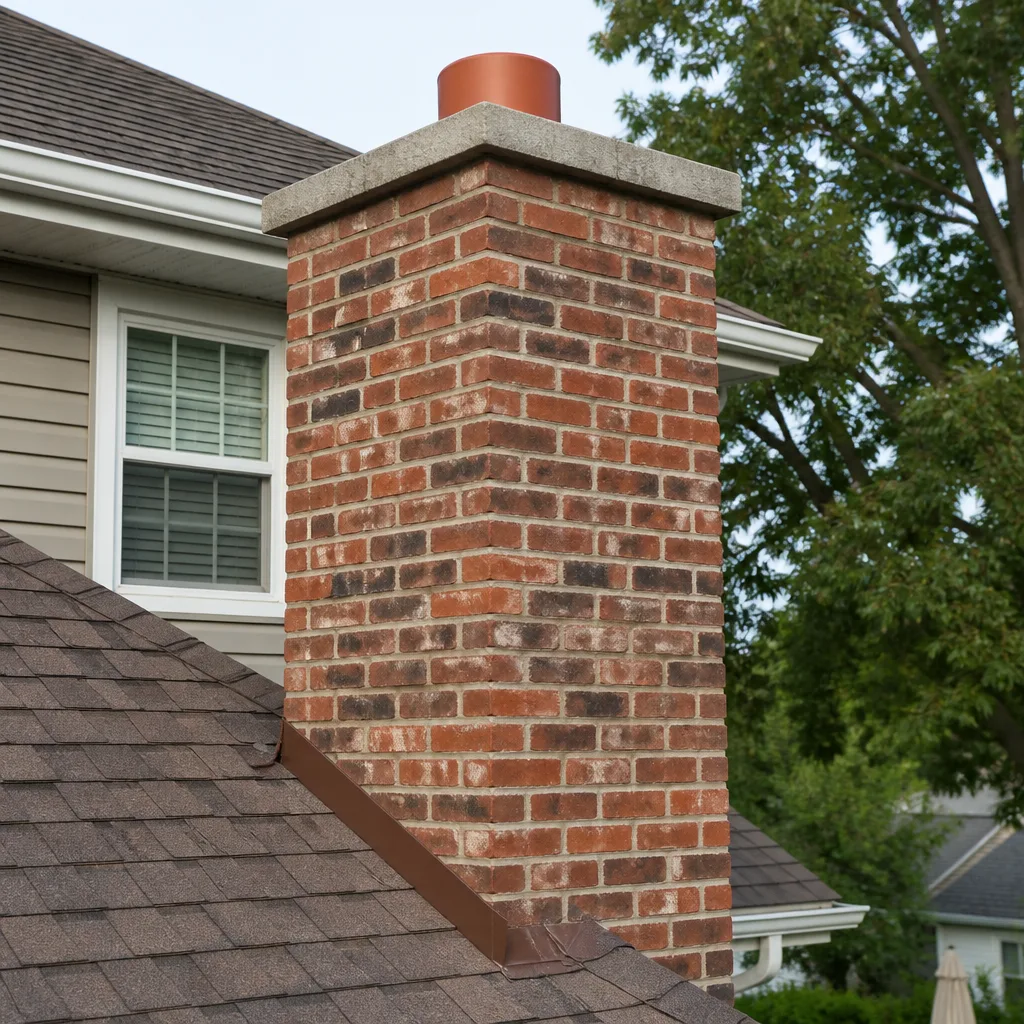 Masonry repair
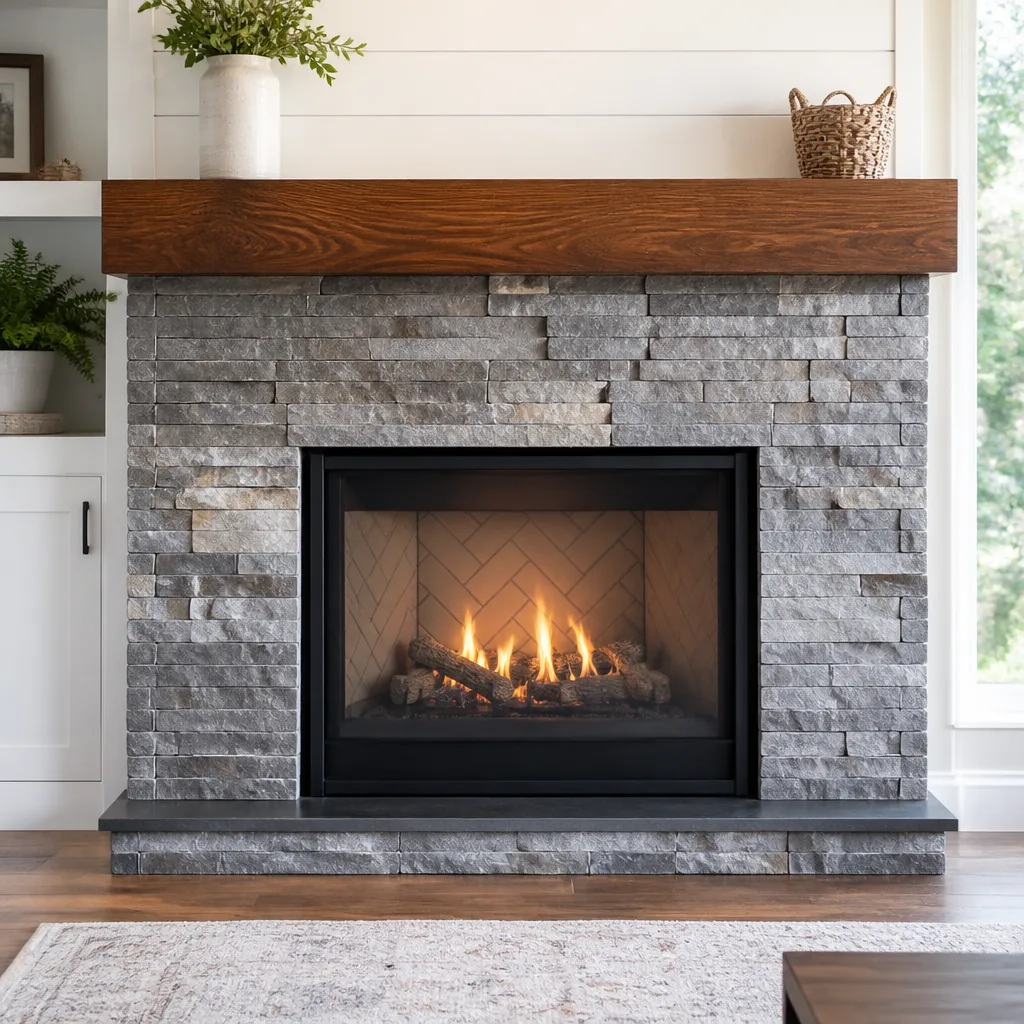 Gas fireplace service
Level 1 sweep and inspection to the NFPA 211 annual standard - flue, crown, cap, and flashing checked and photographed
Chimney sweep logs do not sweep chimneys. They loosen some creosote - which then falls where a brush and vacuum still have to collect it.
Gelco Chimney Cap Installation: The San Francisco Owner’s Guide
We stock and install Gelco chimney caps throughout San Francisco, with most installations running between $385 and $640 for the cap, mounting hardware, and labor. If your cap is rusted through, missing, or letting rain into the flue, we can usually get it replaced within a few days of your call, and we carry the most common Gelco sizes on the truck so there’s no second-trip fee. Most owners discover the problem the hard way: a wet patch on the ceiling near the fireplace, a drip sound inside the firebox after a storm, or the distinct smell of damp soot when the wind shifts.
We’re an independent chimney service company, not a Gelco dealer. That matters because we’re not here to push one brand. We install Gelco caps because they hold up well in coastal air, and we’ll tell you plainly if a different cap would serve your chimney better.
Which Gelco Models This Applies To
Gelco makes two cap lines that show up on San Francisco chimneys. The standard single-flue caps (GC series) fit most round clay tile liners from 6 to 13 inches in diameter, and the multi-flue caps (GCM series) cover two or three flues under one hood, which is common on the older Victorian and Edwardian homes in neighborhoods like Noe Valley and Pacific Heights. If your cap has a Gelco label, it’ll be stamped on the underside of the hood or on the mounting collar. If the label is gone, measure the outside diameter of your clay tile flue where it exits the crown. We need that number to match the cap, not just the cap’s old dimensions, because flue tiles shift slightly over decades and a cap that fit ten years ago may not seat correctly today.
One compatibility gotcha we see regularly in San Francisco: Gelco caps sized for masonry flues don’t direct-fit onto most prefab or manufactured fireplace terminations. If you have a metal chimney pipe, you need a Gelco cap designed for that pipe’s specific diameter, or an adapter. If you call us with a prefab fireplace, we’ll ask you to check the pipe’s label before we order anything.
We install authentic Gelco caps when the original is still in production. When a model is discontinued or the lead time is unreasonable, we’ll offer a quality equivalent from Olympia Chimney or Famco that matches the flue size and wind performance. We’ll show you both options with prices before you decide.
Styles & brands we work with
Signs Your Gelco Chimney Cap Installation Is Failing
- Visible rust through the hood or mesh. Gelco caps are stainless or galvanized steel depending on the model. Once the galvanized coating fails near the coast, where salt air accelerates corrosion, pinholes become actual holes within a season or two. A cap with rusted-out mesh no longer blocks embers or animals.
- Water staining on the ceiling or wall near the chimney chase. This usually means the cap’s mounting collar has loosened or the sealant between the collar and the crown has cracked. San Francisco’s wet winters and dry summers cause the chimney crown to expand and contract, and the seal fails before the cap itself does.
- Bird or squirrel activity in the flue. The mesh on a Gelco cap is there to keep animals out. If you hear scratching or nesting sounds, the mesh has a gap or the cap has shifted off-center. Squirrels get into Sunset and Richmond District chimneys this way every spring.
- The cap rattles or moves during wind. San Francisco gets gusty enough on the hills that a loose cap is audible from inside. A cap that moves is letting rain in around the base, even if the hood itself looks fine.
- Creosote odor getting stronger between sweeps. A damaged or missing cap changes the draft through the flue, which can push more odor into the living space. If you notice a sharper tar-like smell near the fireplace, the cap may be restricting airflow or the flue may be taking on water that reactivates old creosote deposits.
Replacement Cost & What’s Included
In San Francisco, a Gelco chimney cap installation typically runs $385 to $640, with most single-flue jobs landing around $450 to $520. The range depends on four factors: the cap size and material (stainless costs more than galvanized), the height and pitch of your roof, whether the existing mounting collar needs replacement, and whether the chimney crown needs a quick sealant touch-up before the new cap seats correctly. Multi-flue caps run higher, usually $575 to $725 installed.
Every Gelco cap installation we do in San Francisco includes the cap, stainless mounting hardware, new high-temperature sealant, and our labor to set it level and secure. You get a written price before any work starts, and we don’t add charges at the end. The work is covered by our 365-Day Done Right Promise: if the cap shifts, leaks, or fails within a year, we come back and fix it at no charge. That’s in writing.
See the difference
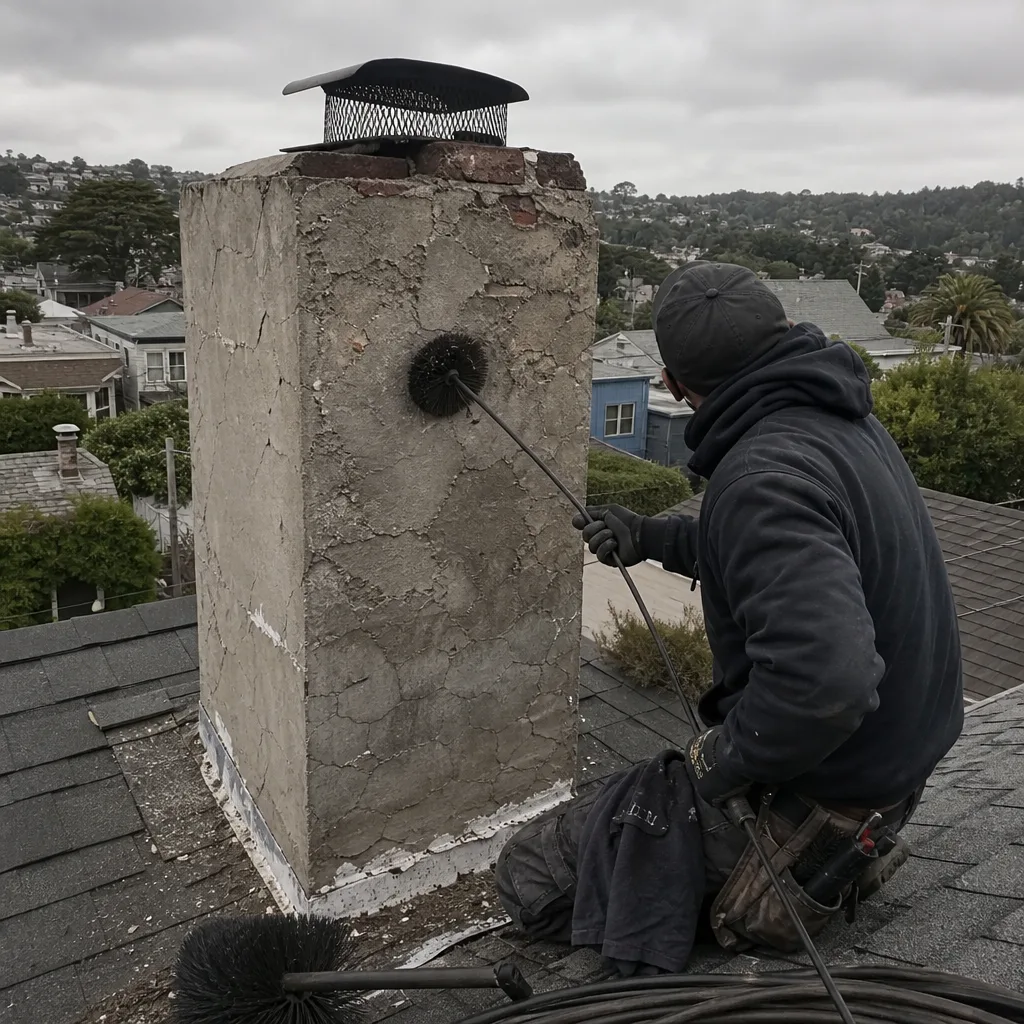 Before
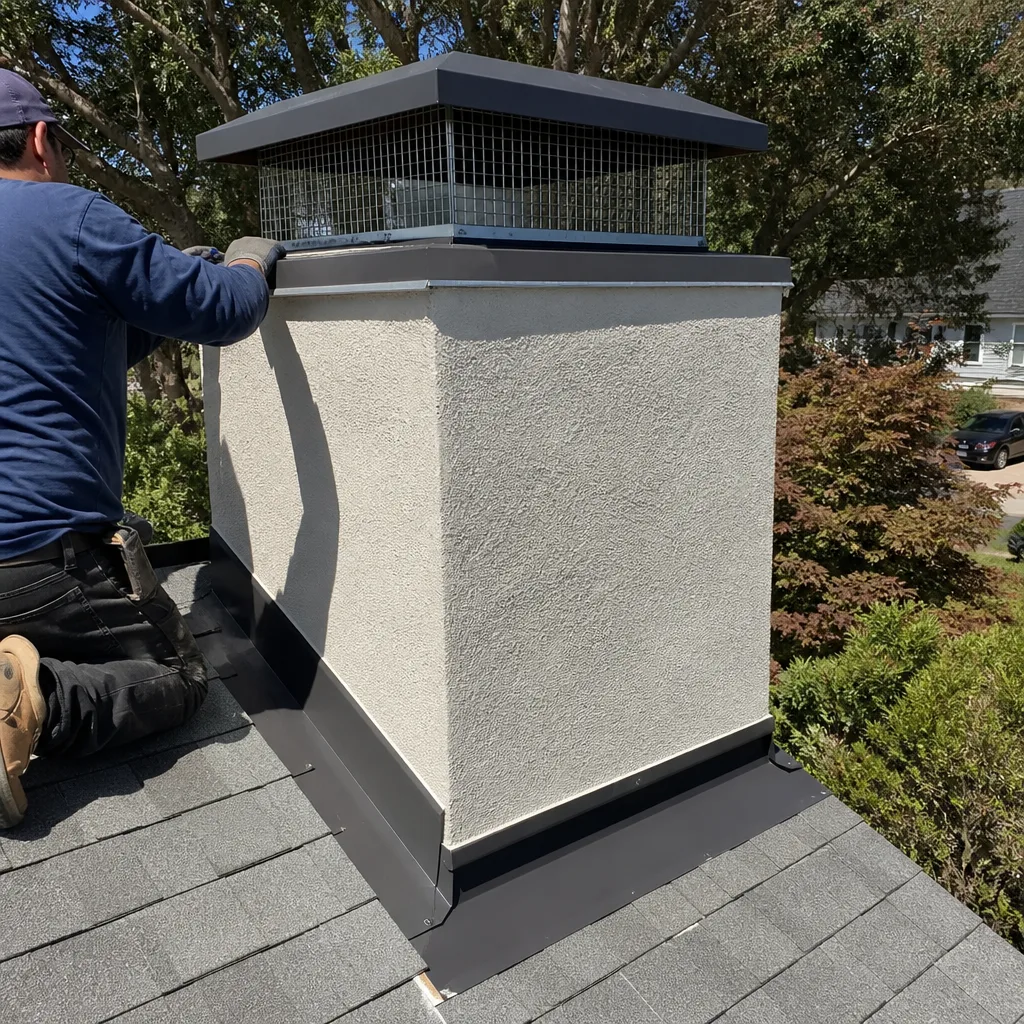 After
After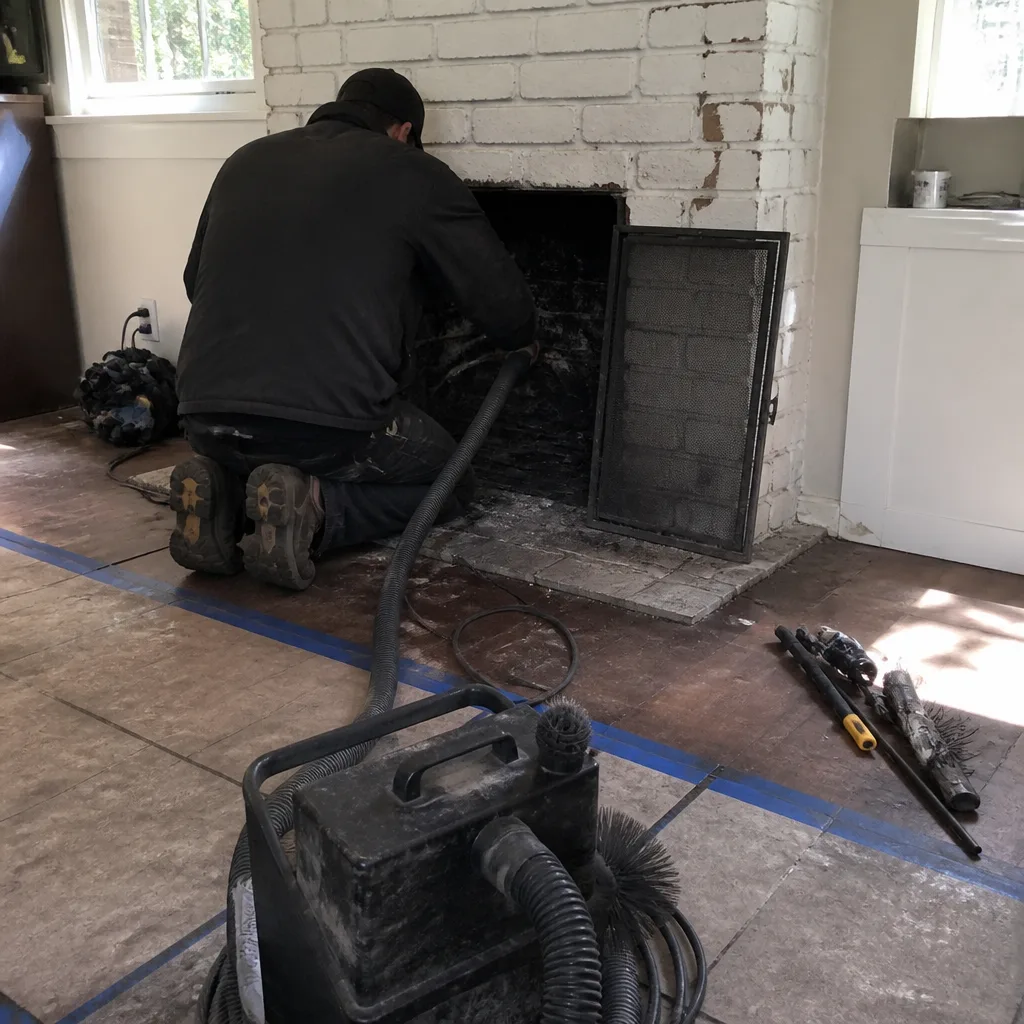 Before
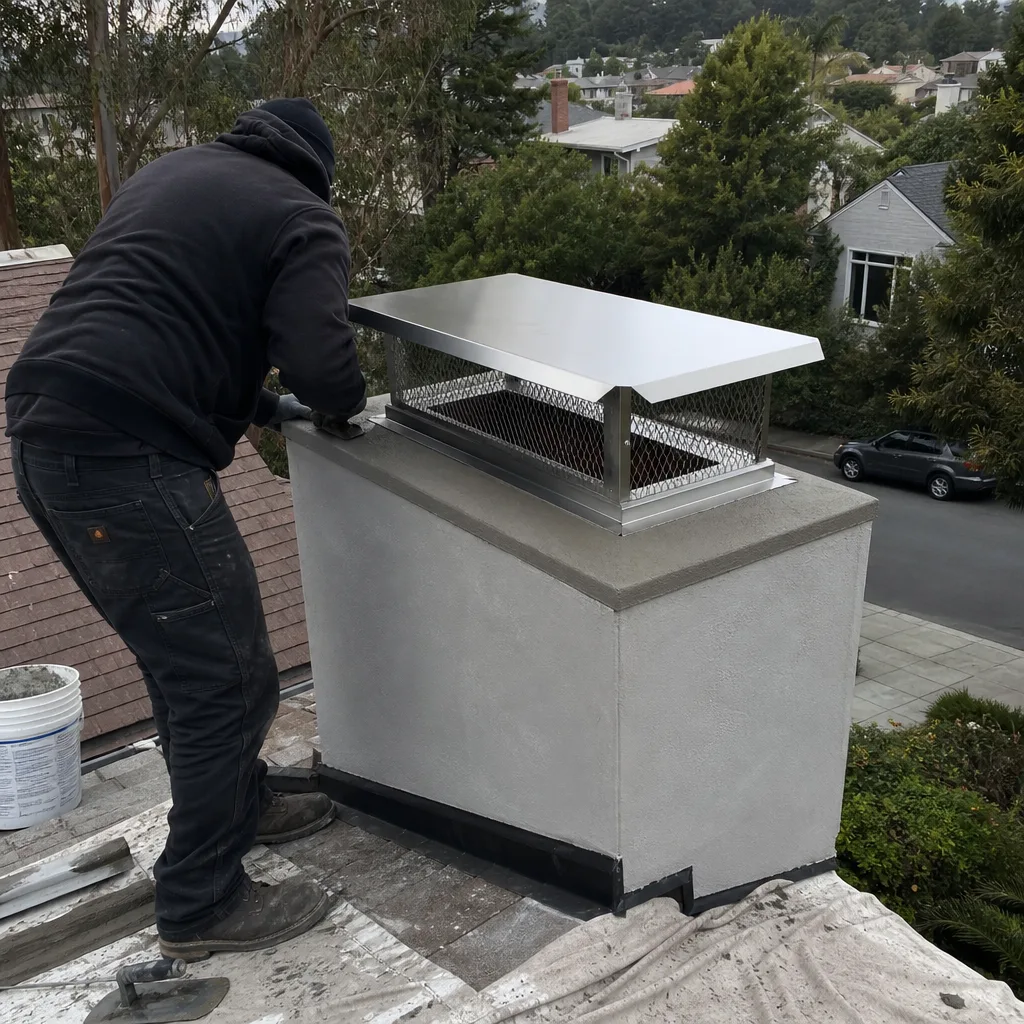 After
After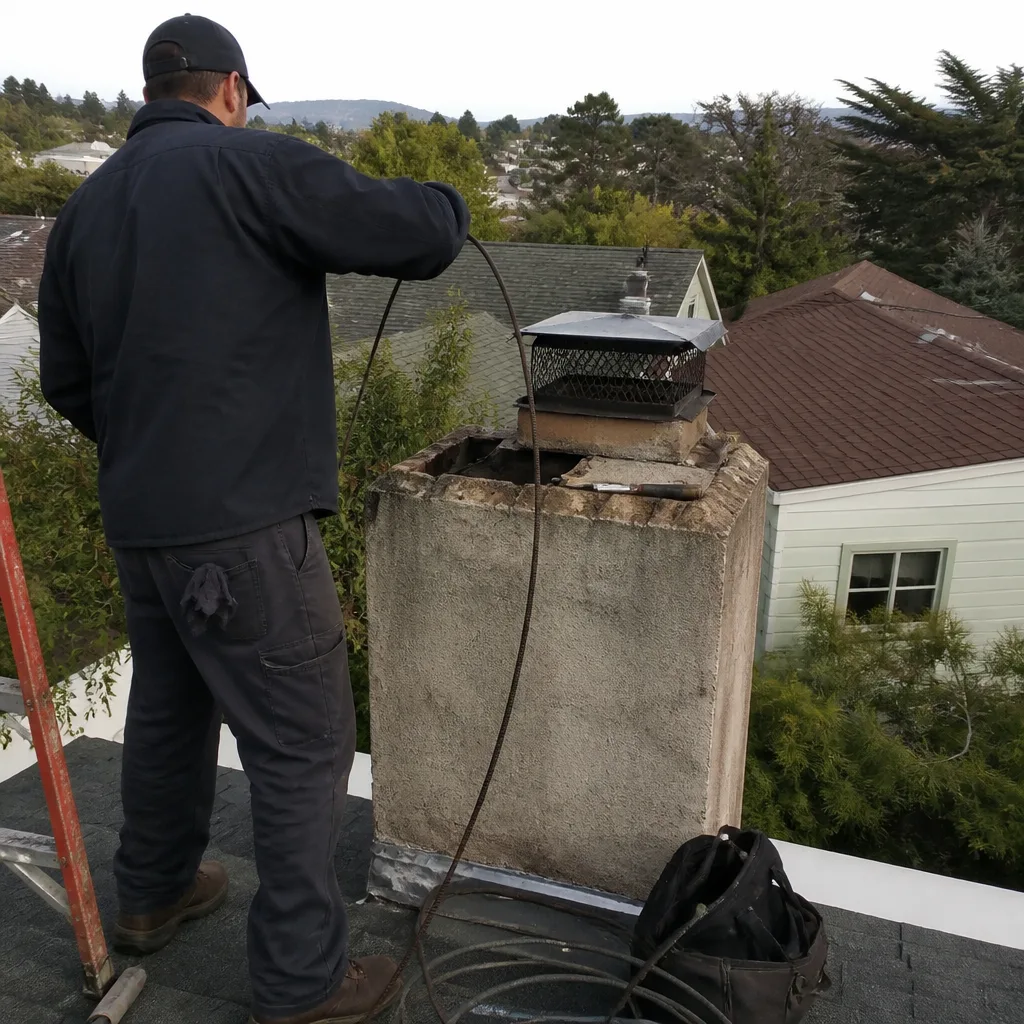 Before
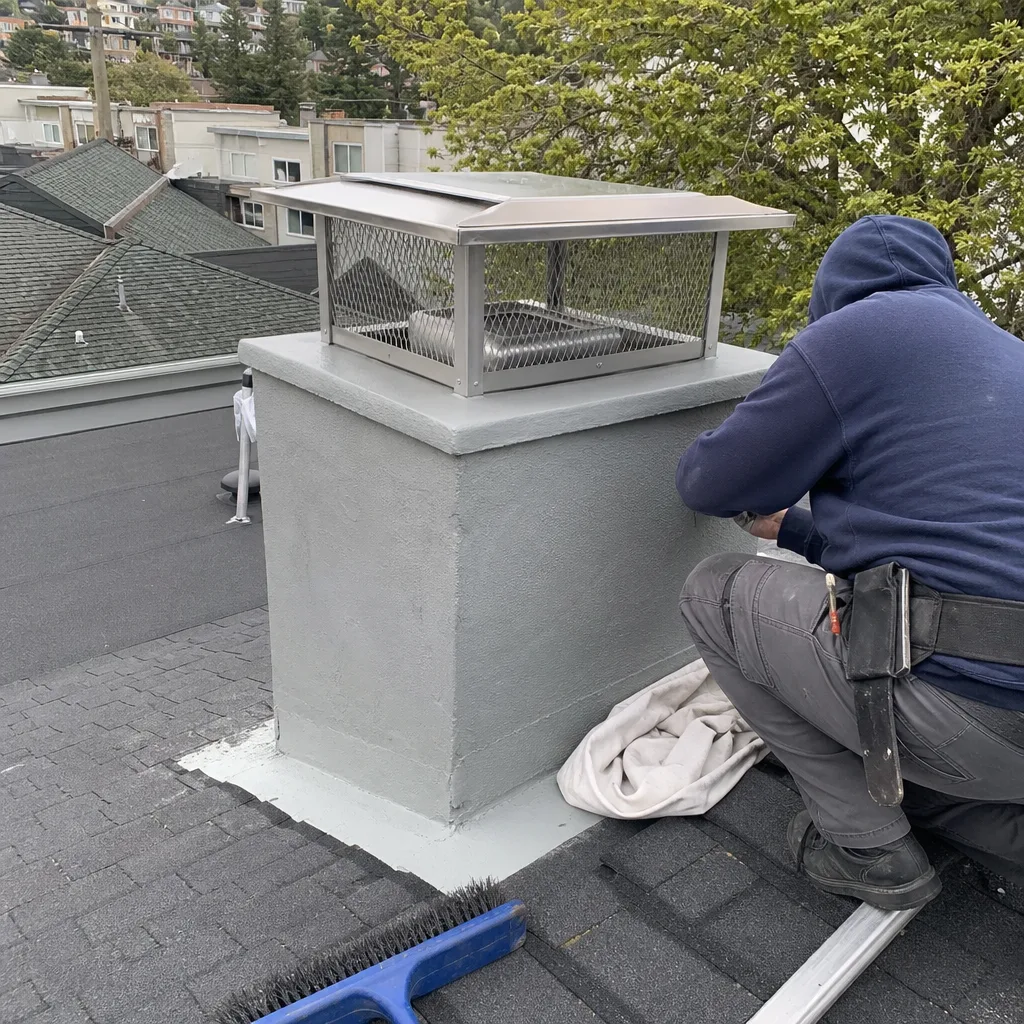 After
AfterDIY or Call Us?
You can safely check a few things from the ground: use binoculars to look for a shifted cap, rust visible on the hood, or missing mesh panels. You can also look down the flue from inside the firebox with a flashlight after a rain to see if water has pooled at the base. What we’d advise against is getting on a roof to swap a cap yourself. Most San Francisco chimneys are on two or three-story homes with steep pitches, and a wet tile roof or fog-slicked shake is not where you want to learn about ladder angles. We’ve also seen DIY installs where the cap was set directly on the tile without a proper collar, which cracks the tile as it settles.
If you’re unsure whether the cap needs replacing or just reseating, we’ll come out, take a look, and tell you straight. Call us at (831) 534-3789 and describe what you’re seeing. “
FAQs
A galvanized Gelco cap in San Francisco typically lasts 8 to 12 years before the coastal air causes meaningful rust, while stainless steel models usually hold up for 15 to 20 years or more. If you’re within a few blocks of the ocean in the Sunset or Richmond, expect the shorter end of those ranges. Call (831) 534-3789 if you want us to assess whether your cap is near end of life.
Small gaps in the mounting seal can be resealed, and a minor shift can be reset, but once the hood or mesh has rusted through, the cap needs replacement. Patching rusted mesh or a perforated hood doesn’t hold and the animal or ember protection is gone. We’ll tell you honestly whether a repair is worth doing before recommending a new cap.
A standard single-flue Gelco cap installation on a San Francisco chimney takes about 45 to 90 minutes from setup to cleanup, depending on roof access and the condition of the existing mounting area. If the chimney crown needs minor patching first, add another 30 minutes. We book a specific arrival time, and you’ll know your technician’s name and see their photo before we arrive.
We stock the most common Gelco single-flue sizes on the truck, so many San Francisco installations can be completed on the first visit. If your flue is an unusual size, a multi-flue configuration, or a metal prefab pipe, we’ll measure it on site, order the correct cap, and schedule the install within a week. You get a written price for the entire job before any work is ordered or started.
Call Alcott Chimney San Francisco for Gelco Chimney Cap Installation
If your Gelco cap is showing rust, letting water in, or no longer doing its job, call us at (831) 534-3789 for a free estimate. We’ll give you a straight answer on what needs replacing and what can wait, with a written price before any work begins. You’ll know who’s coming to your door before we arrive, and every job is backed by our 365-Day Done Right Promise.
Written by Ruben Castellano, Owner, Alcott Chimney San Francisco at Alcott Chimney San Francisco, serving San Francisco and nearby areas.