
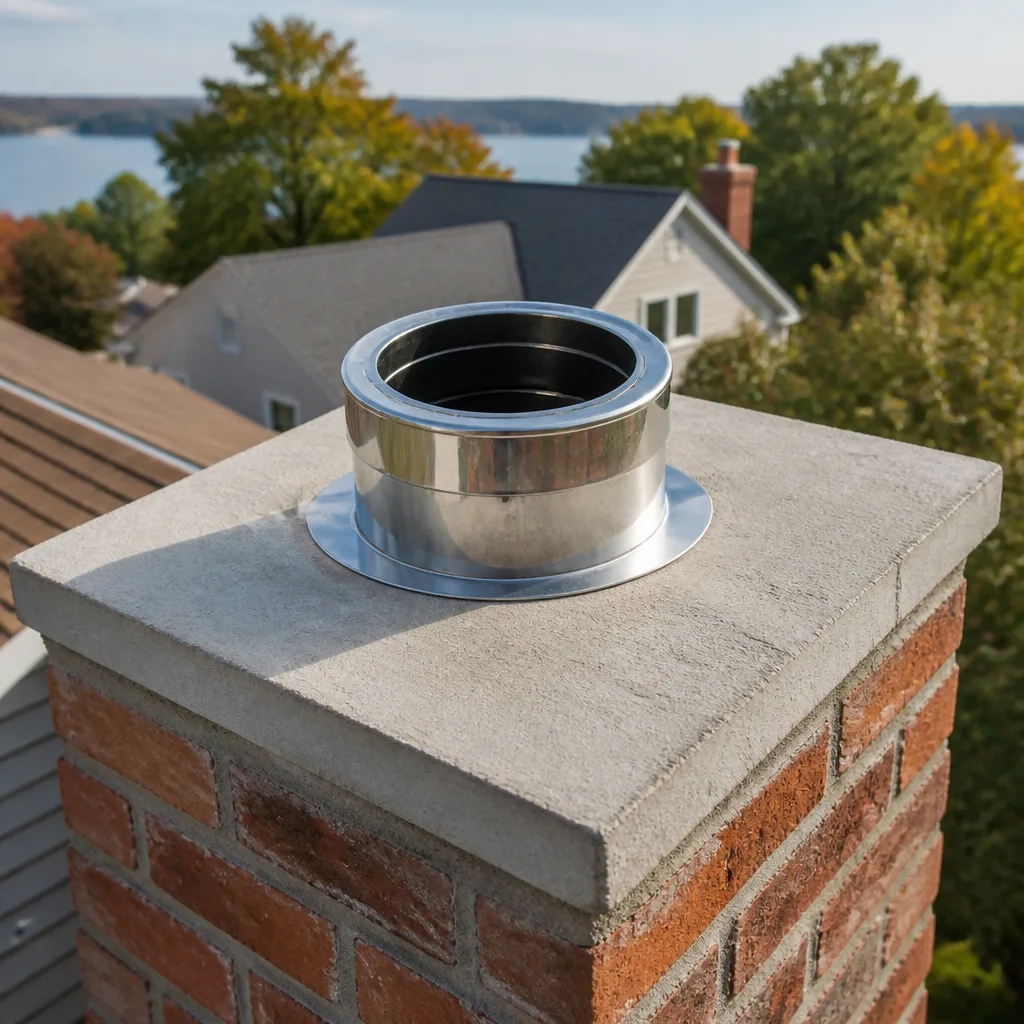
 Flue relining
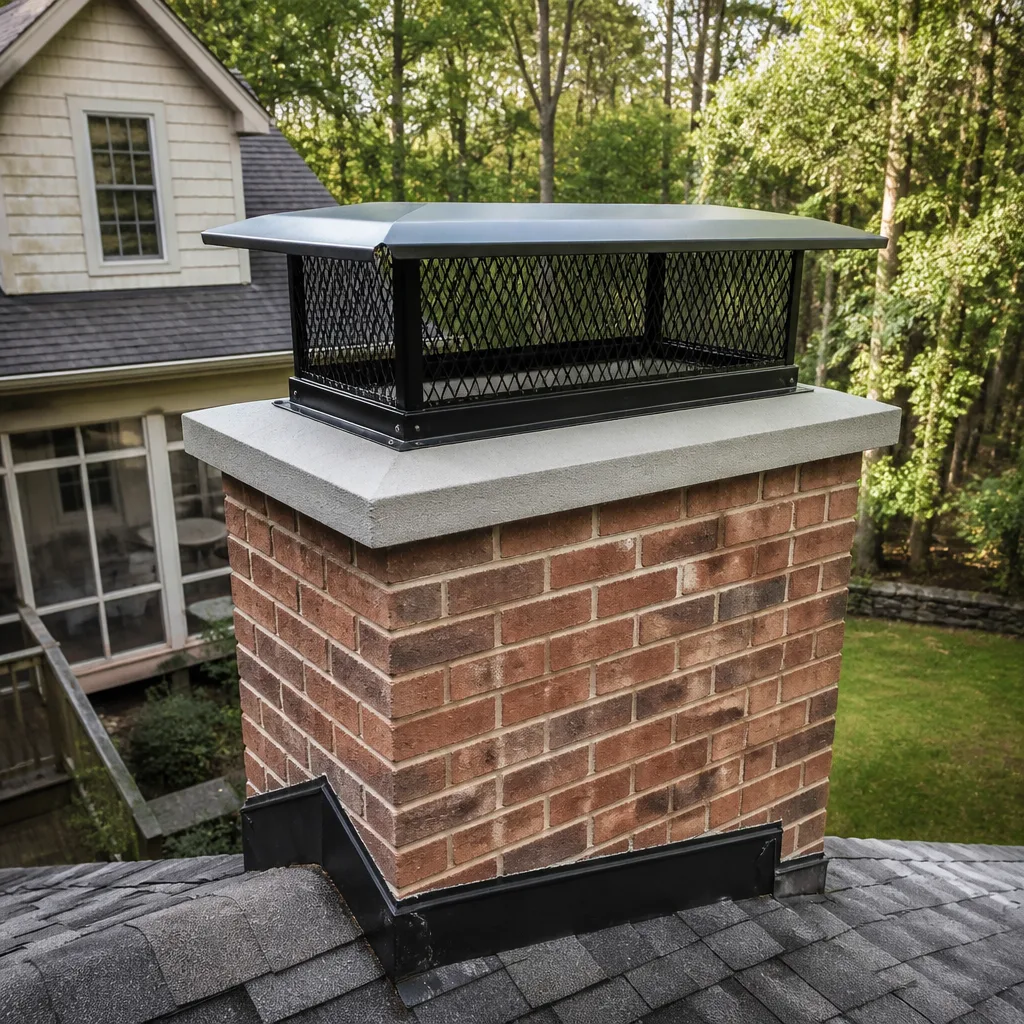 Sweep & inspection
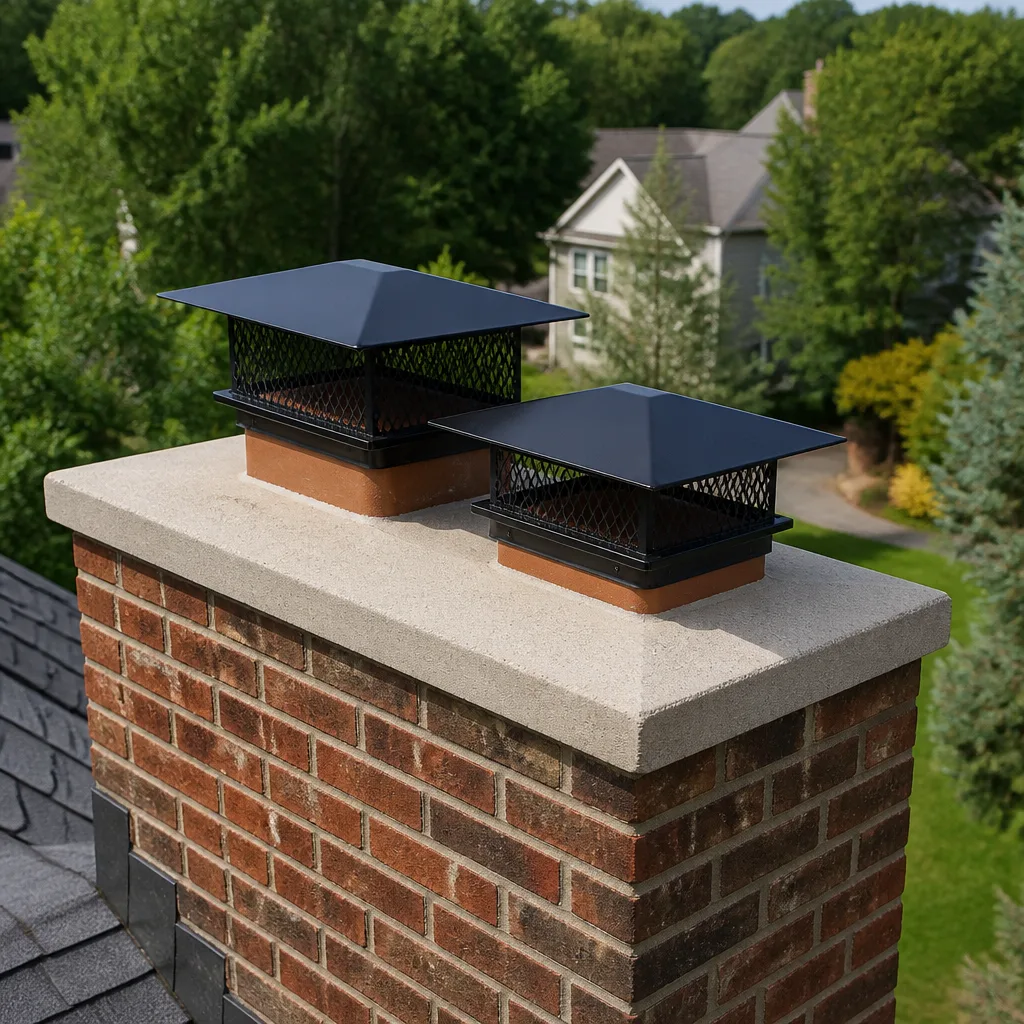 Caps & crowns
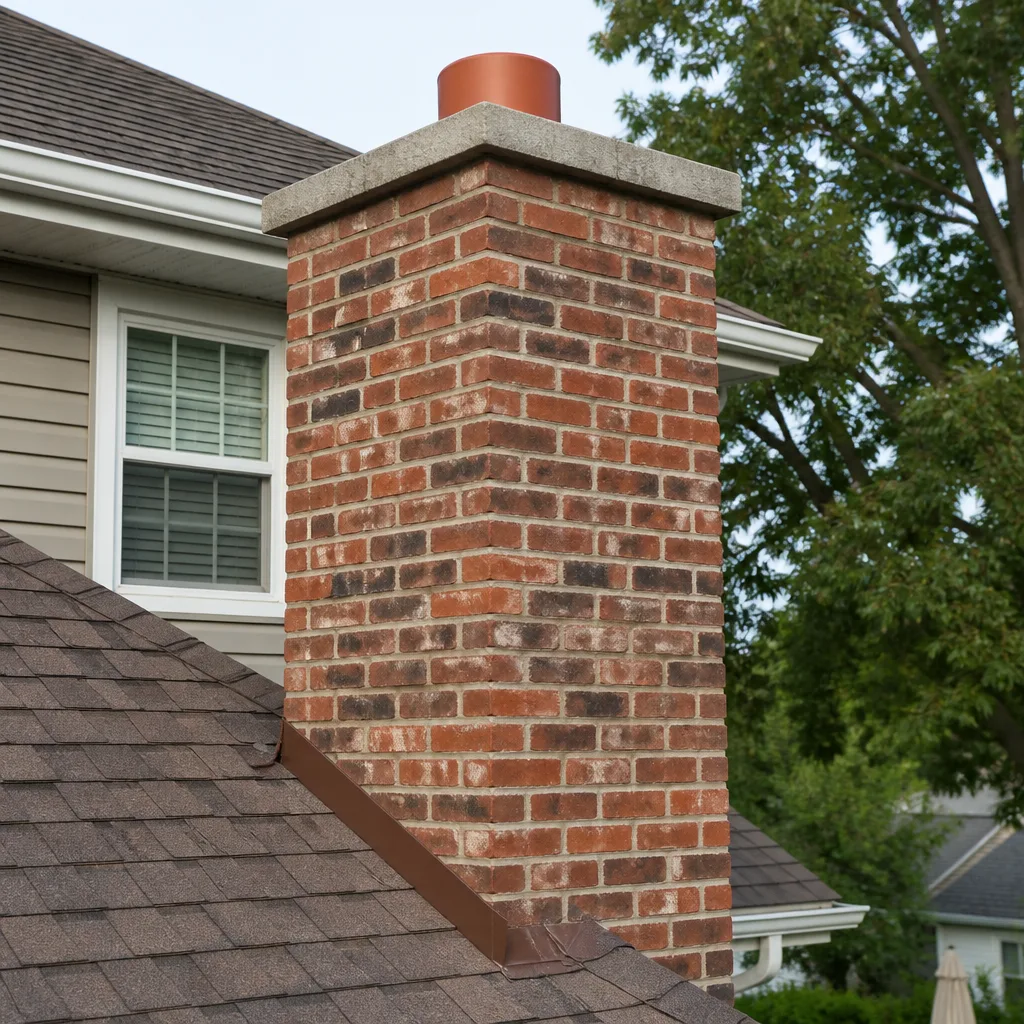 Masonry repair
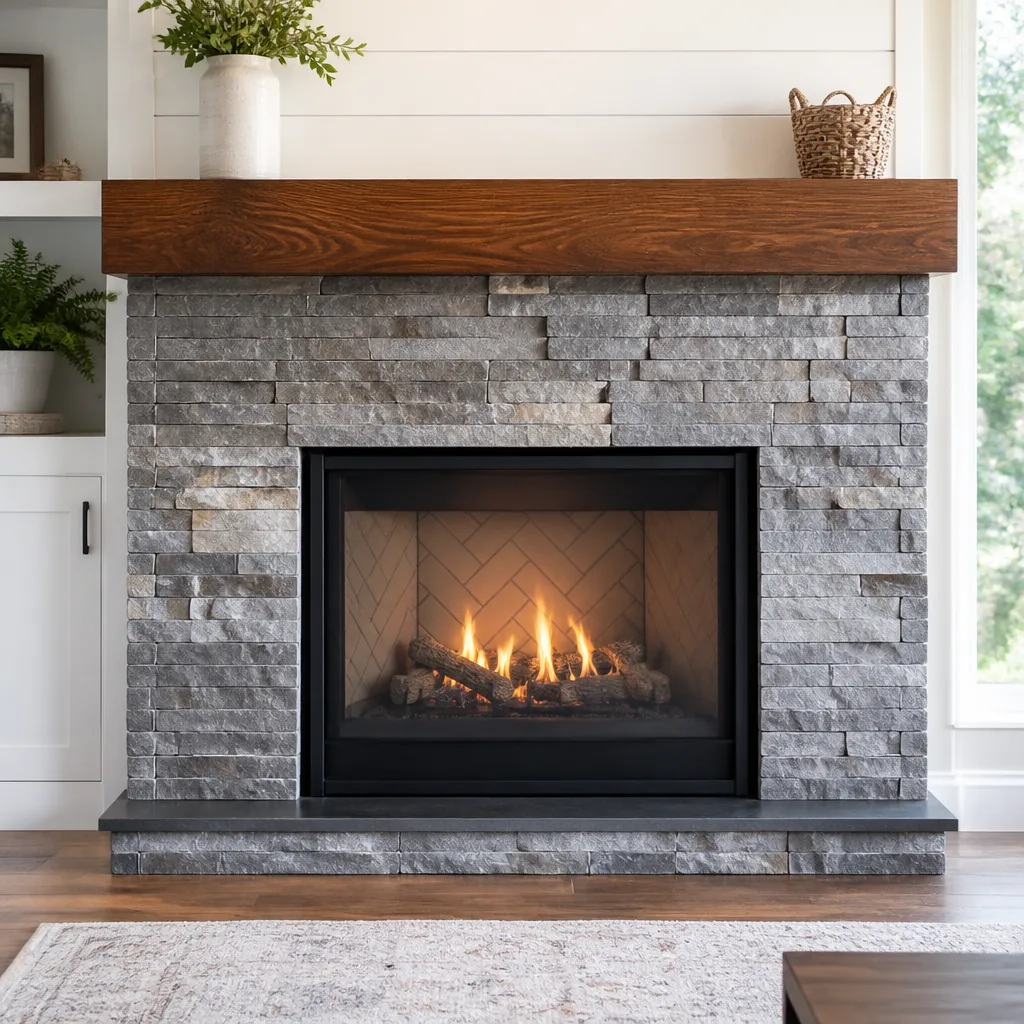 Gas fireplace service
Level 1 sweep and inspection to the NFPA 211 annual standard - flue, crown, cap, and flashing checked and photographed
Chimney sweep logs do not sweep chimneys. They loosen some creosote - which then falls where a brush and vacuum still have to collect it.
HeatShield Flue Liner Replacement: The San Francisco Owner’s Guide
If you have a HeatShield flue liner that has cracked, spalled, or begun separating, replacement in San Francisco typically runs $2,800 to $6,500 installed depending on flue height, access, and whether we’re relining the full length or addressing a failed section. We stock HeatShield-compatible liner materials on our trucks and can usually complete the swap in a single visit once we’ve confirmed your flue dimensions. Most San Francisco homeowners discover the problem during an annual sweep or inspection, when the camera shows the ceramic coating has started to fail and flue gases are finding their way behind the liner.
Here’s the straight version of what that means: HeatShield is a cerfractory coating system, not a solid metal liner. When it fails, you don’t always see it from the firebox. What you get is a slow, quiet degradation that a Level 2 camera inspection catches before it becomes a chimney fire or carbon monoxide problem. That’s the inspection we recommend for any San Francisco home with a HeatShield liner that’s more than 10 years old.
Which HeatShield Models This Applies To
HeatShield comes in two application forms: the original CeCure cerfractory coating and the joint repair system used to seal clay tile liner joints. The replacement approach differs depending on which one you have. If your HeatShield was applied as a full resurfacing over clay tile, a failing section usually means we’re removing what’s loose and relining with a stainless system, often a DuraFlex or equivalent 316L alloy liner sized to your existing flue. If HeatShield was used only at the tile joints, the liner repair may be more localized, but we still camera-verify the entire flue before committing to a partial fix.
Here’s the compatibility gotcha most homeowners never hear: HeatShield is not a product with a model number stamped on a plate. It’s a proprietary coating applied by certified installers. So when someone says “HeatShield liner replacement,” they almost always mean replacing the failed coating with a rigid or flexible stainless liner rather than reapplying the same material. There are situations where reapplication is viable, but in San Francisco’s older chimneys, where clay tile flues have shifted over decades of seismic settling, a stainless liner is the more durable outcome. Alcott Chimney San Francisco is an independent service provider, not a HeatShield factory affiliate, which means we’ll give you the honest comparison between recoating and relining, not a brand-loyal pitch.
To identify what you have, check any paperwork from the original installation. HeatShield installers typically leave a label near the firebox or on the chimney cap noting the applicator and date. If that’s gone, a camera inspection tells us within minutes whether the coating is intact, cracked, or delaminating.
Styles & brands we work with
Signs Your HeatShield Flue Liner Replacement Is Failing
- Flaking or sandy debris in the firebox. This is the most common early sign. The cerfractory coating breaks down from repeated heating and cooling cycles, and the loose material works its way down to the firebox floor. In coastal San Francisco, the salt air accelerates this breakdown in chimneys that aren’t capped properly.
- A change in draft, or smoke backing into the room. When the liner surface roughens and cracks, the flue no longer pulls the way it should. This shows up as occasional puff-back smoke, particularly on windy days that stack against the hills around Twin Peaks or Noe Valley.
- Visible cracks in the firebox throat area or smoke chamber. HeatShield applied at the smoke chamber level fails from thermal stress first. If you can see hairline cracks up near the damper area, the coating above is probably in worse shape than anything visible.
- Unusual odors between fires. A failed liner lets creosote and combustion byproducts seep into the masonry and wall cavities. Homeowners often describe it as a stale campfire smell that gets stronger on damp days, which San Francisco gets plenty of.
- Rust stains or water staining on the exterior chimney chase. When a liner fails and moisture enters the flue, it migrates through mortar joints and shows up on drywall or brick. This is less about the liner material itself and more about the house telling you the system is compromised.
See the difference
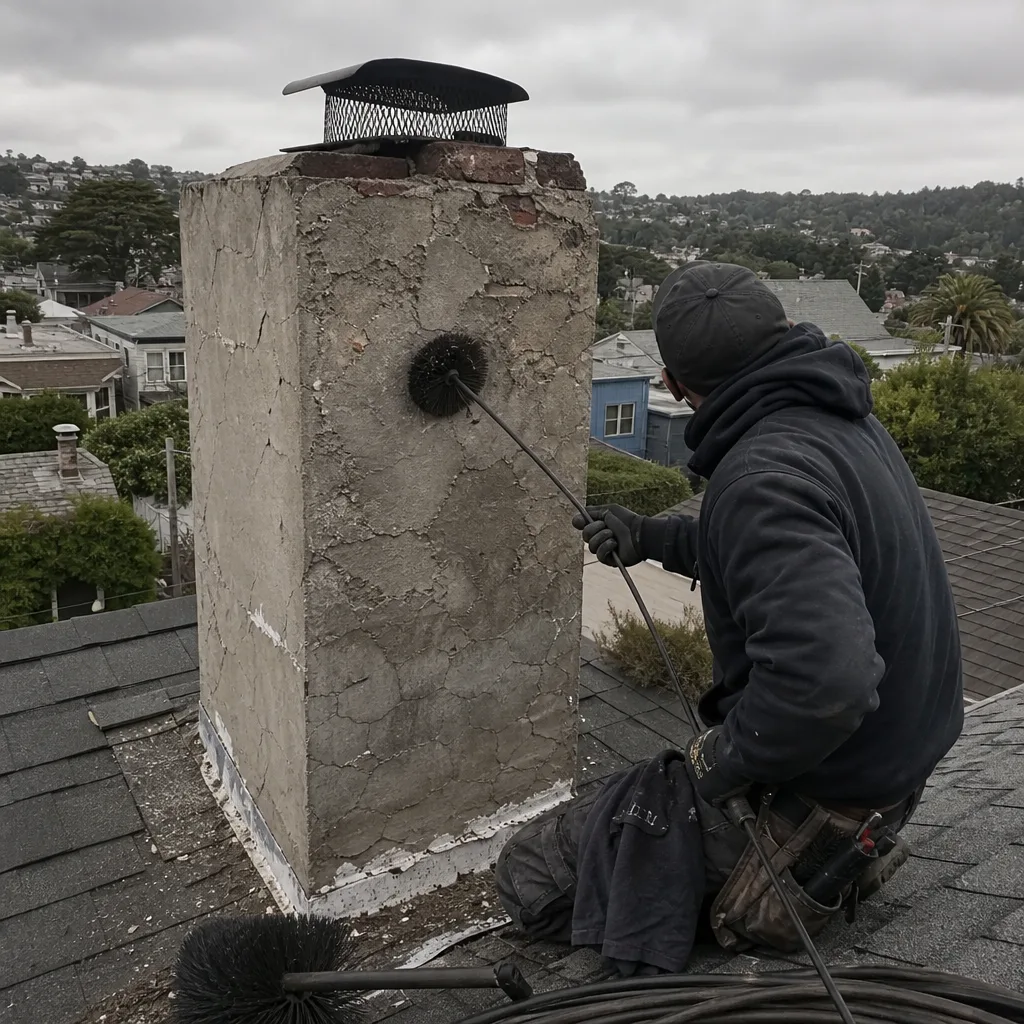 Before
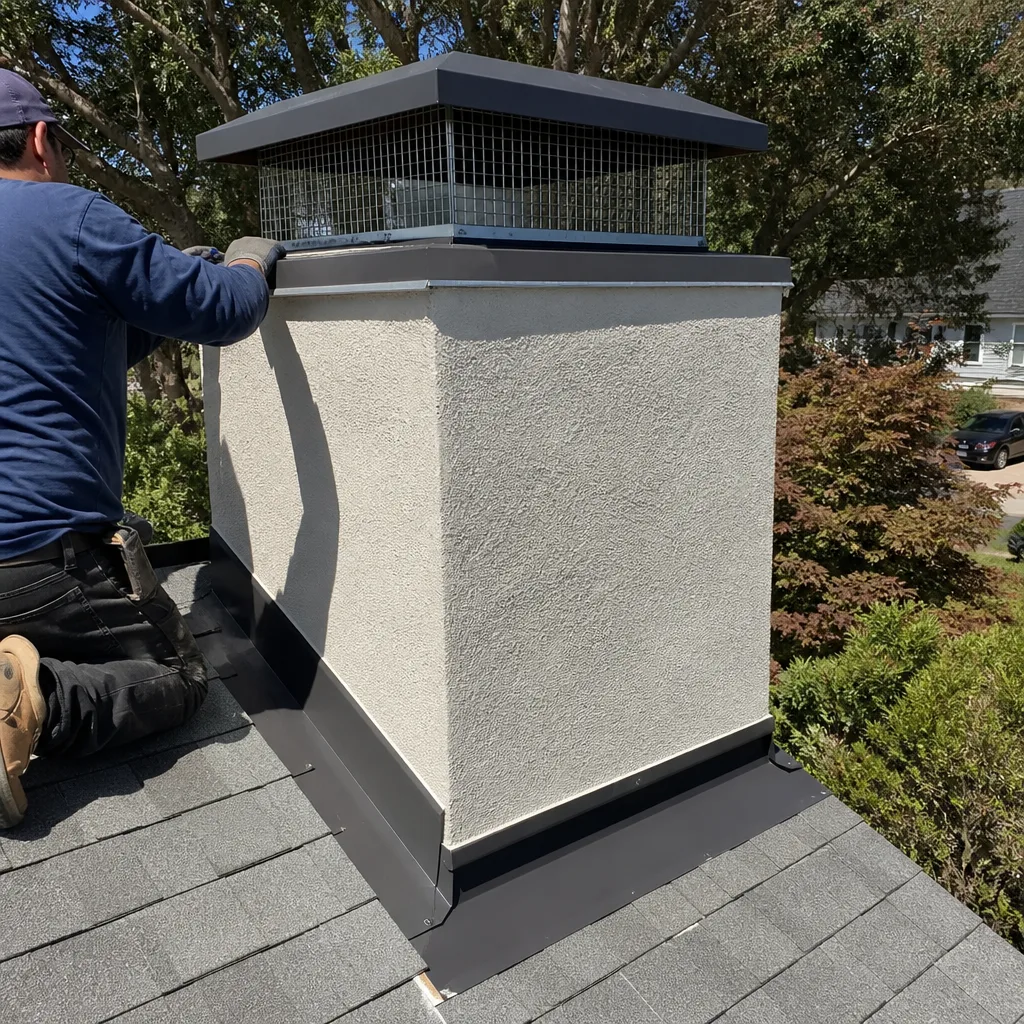 After
After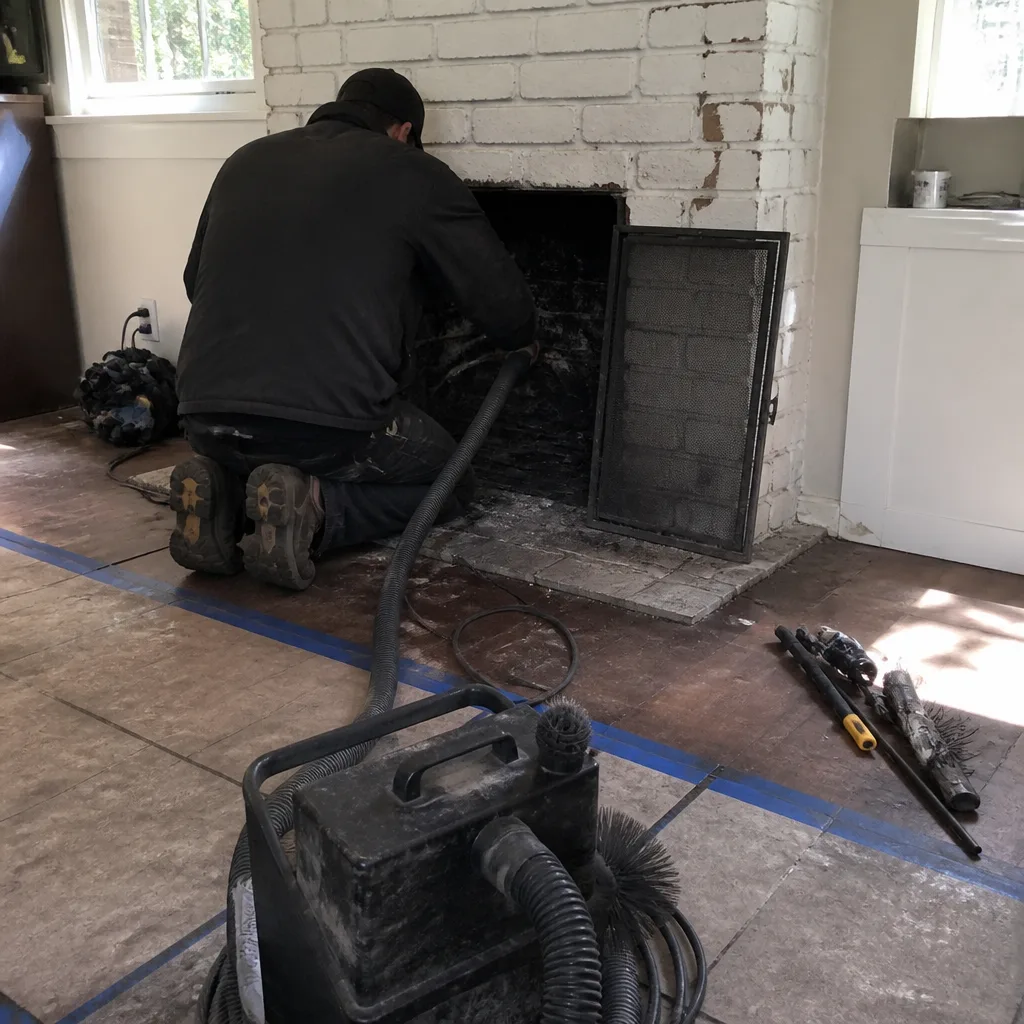 Before
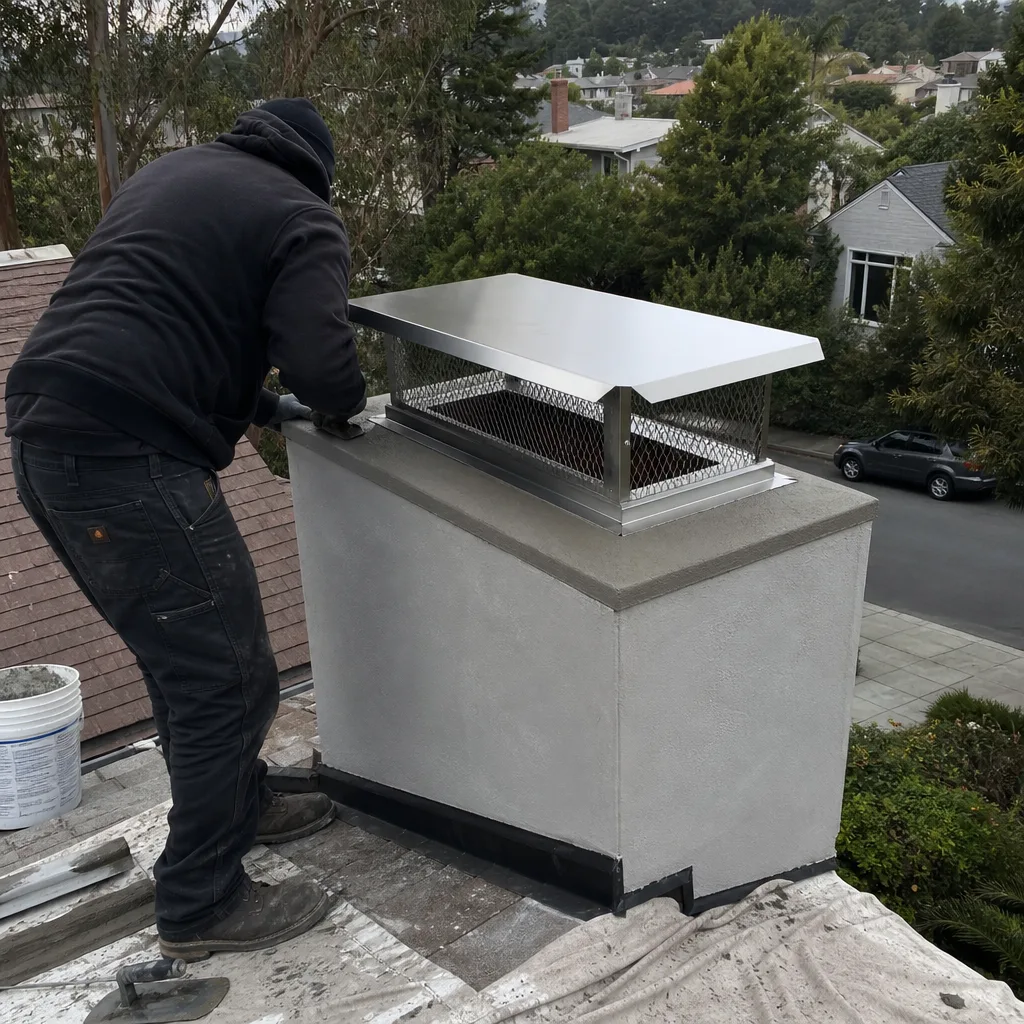 After
After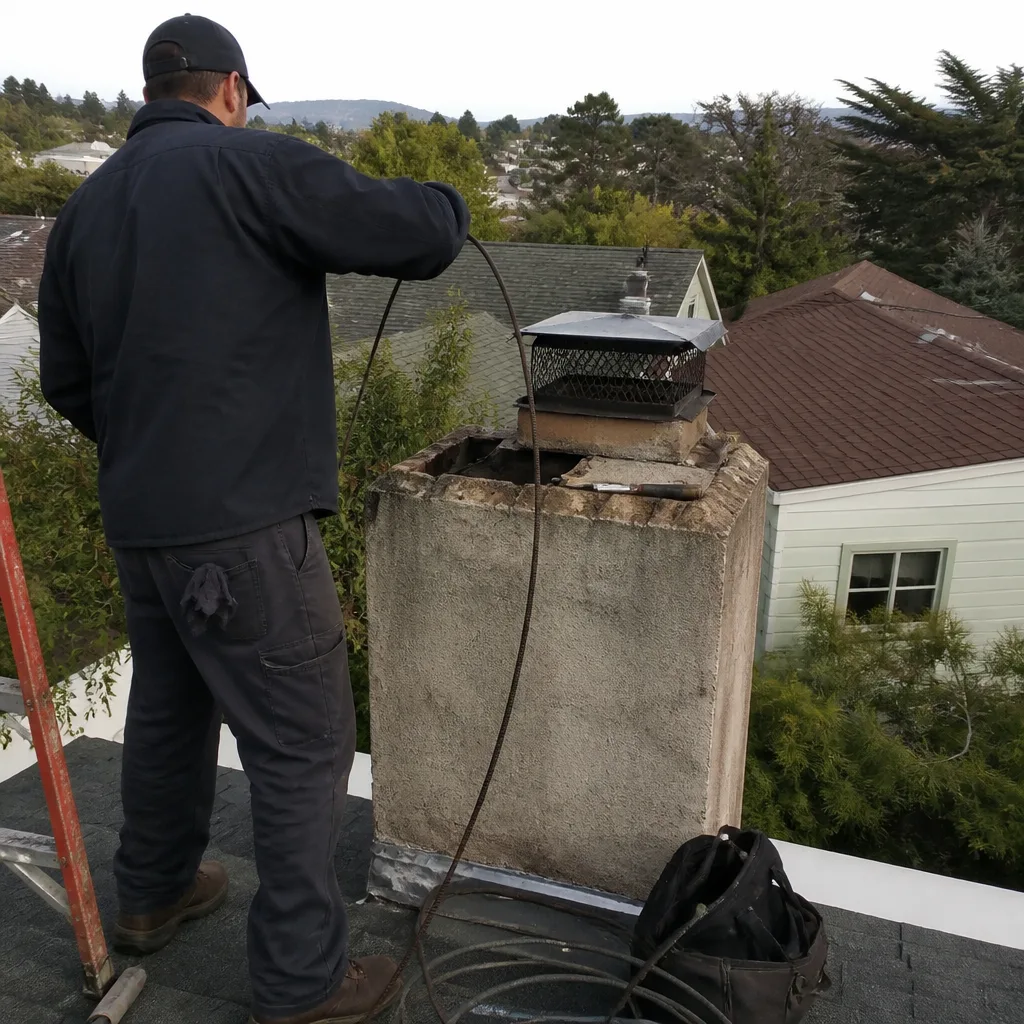 Before
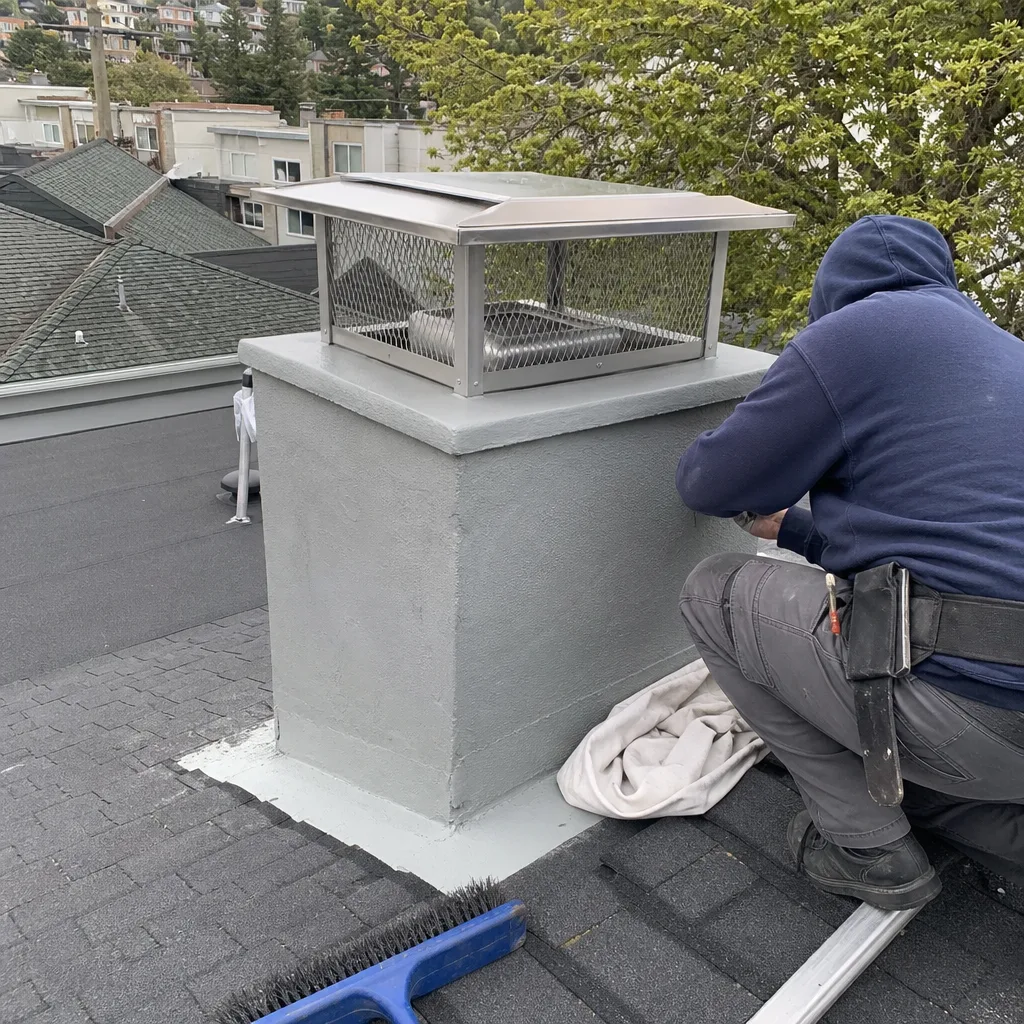 After
AfterReplacement Cost & What’s Included
A HeatShield flue liner replacement in San Francisco lands between $2,800 and $6,500 for a typical single-story or two-story home. On the lower end, you’re looking at a shorter flue with straightforward roof access and an existing liner we can work around. On the higher end, you have a multi-story Victorian or hillside home where the flue runs 25 feet or more, the roof pitch is steep, and we’re pulling the old coating and installing a full stainless reline.
Every quote from Alcott Chimney San Francisco includes the same things, spelled out in writing before any work starts: the liner material and gauge, removal and disposal of failed coating where required, a full camera inspection before and after, and our written guarantee on the repair. If the repair fails within the coverage period, the second visit is free. That’s the 365-Day Done Right Promise, and it applies to this work the same as everything else we do. You’ll know the technician’s name and see their photo before we arrive, and that technician will be background-checked and identity-verified under the Threshold Standard.
DIY or Call Us?
This is not a DIY repair, and we say that without hedging. Working inside a flue means accessing the top of the chimney, which puts you on a roof, and dealing with materials that require correct sizing, clearance, and termination. Get it wrong and you’ve created a carbon monoxide route into the house, not blocked one. The honest answer is that there is no safe homeowner version of a flue liner replacement, and that’s true whether you’re in a Sunset District bungalow or a Presidio Heights brown-shingle.
What you can do safely is help us diagnose. If you’re seeing flaking material in the firebox, a camera inspection is the next step, and that’s something we handle. Tell me what you’re seeing, and I’ll tell you straight what it means. Call (831) 534-3789 and we’ll schedule the inspection at a time that works, with a written price before we touch anything.
FAQs
In San Francisco’s coastal climate, a HeatShield cerfractory coating realistically lasts 10 to 15 years before it shows meaningful degradation. The salt air, frequent fog, and the heating and cooling cycles of a part-time fireplace all work against the material. A stainless reline, by comparison, carries a 20 to 25 year service life. If you’re deciding between recoating and relining, that’s the math we walk through with you, because it changes the long-term cost picture. Call (831) 534-3789 and we’ll camera-inspect your current liner and give you honest numbers on both paths.
Sometimes, yes, if the failure is localized to the smoke chamber or the tile joints and the rest of the coating is intact. HeatShield’s joint repair system was designed for exactly that. But in our experience with San Francisco homes, especially older ones with shifted clay tile flues, the failure is rarely localized. We’ll show you the camera footage and tell you plainly whether repair will hold or whether you’re paying twice. Call (831) 534-3789 for an inspection and we’ll give you the camera evidence to back up whatever we recommend.
A straightforward HeatShield-to-stainless reline on a single-story San Francisco home is typically a one-day job, start to finish. Two-story homes, steep roof access, or flues that need significant prep work can stretch to a second day. We’ll give you a specific window when we quote the job, and we don’t leave you wondering when the technician will arrive. You’ll know the name and see the photo before the visit, and the written price covers the entire job, not just the first day of it.
We stock the professional-grade liner materials we install, including DuraFlex, HeatShield, and Gelco product lines, and we carry the common sizes on our trucks. For older or unusual flue dimensions that aren’t on the truck, we order exact-fit materials and typically have them within a few business days. The inspection visit confirms which camp you’re in. Call (831) 534-3789 and we’ll give you a free estimate and a straight answer on timeline.
Written by Ruben Castellano, Owner, Alcott Chimney San Francisco at Alcott Chimney San Francisco, serving San Francisco and nearby areas.