
Last updated October 15, 2026
 Sweep & inspection
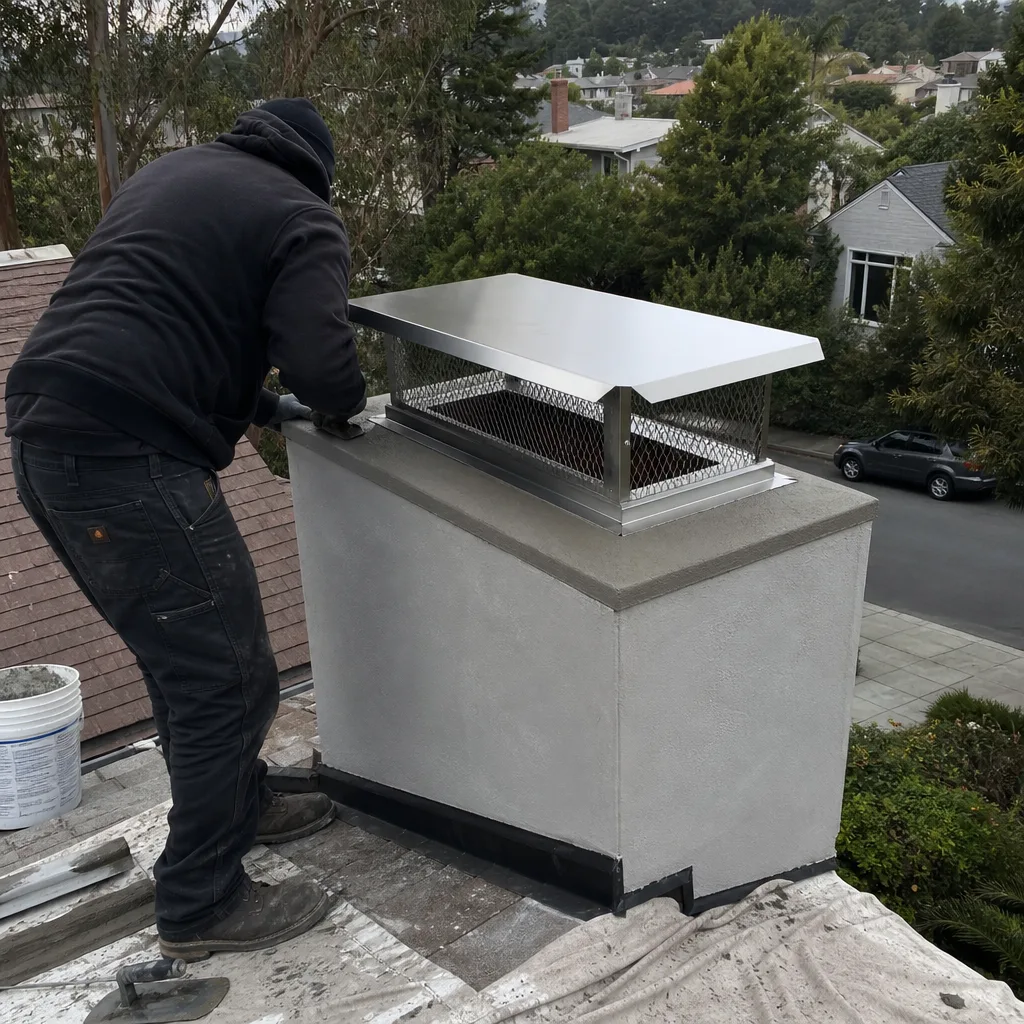
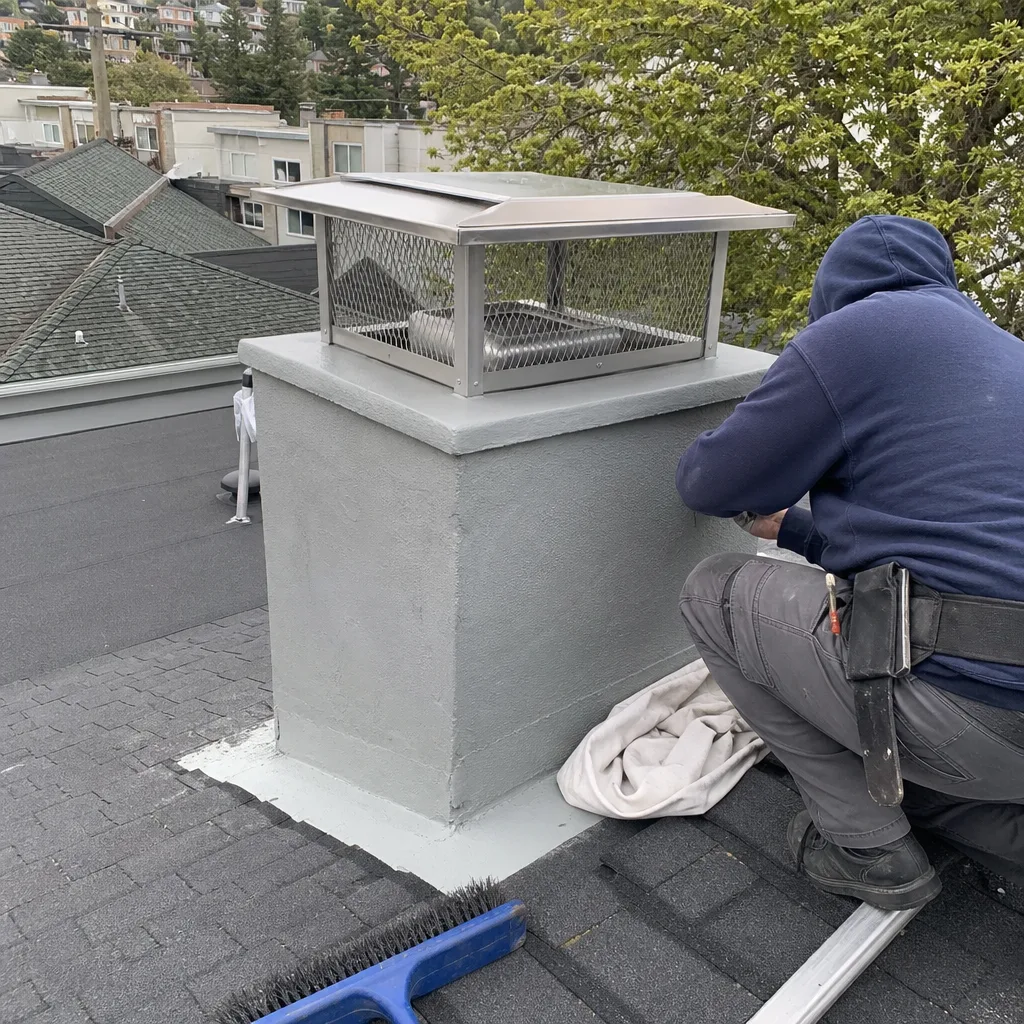
 Caps & crowns
 Flue relining
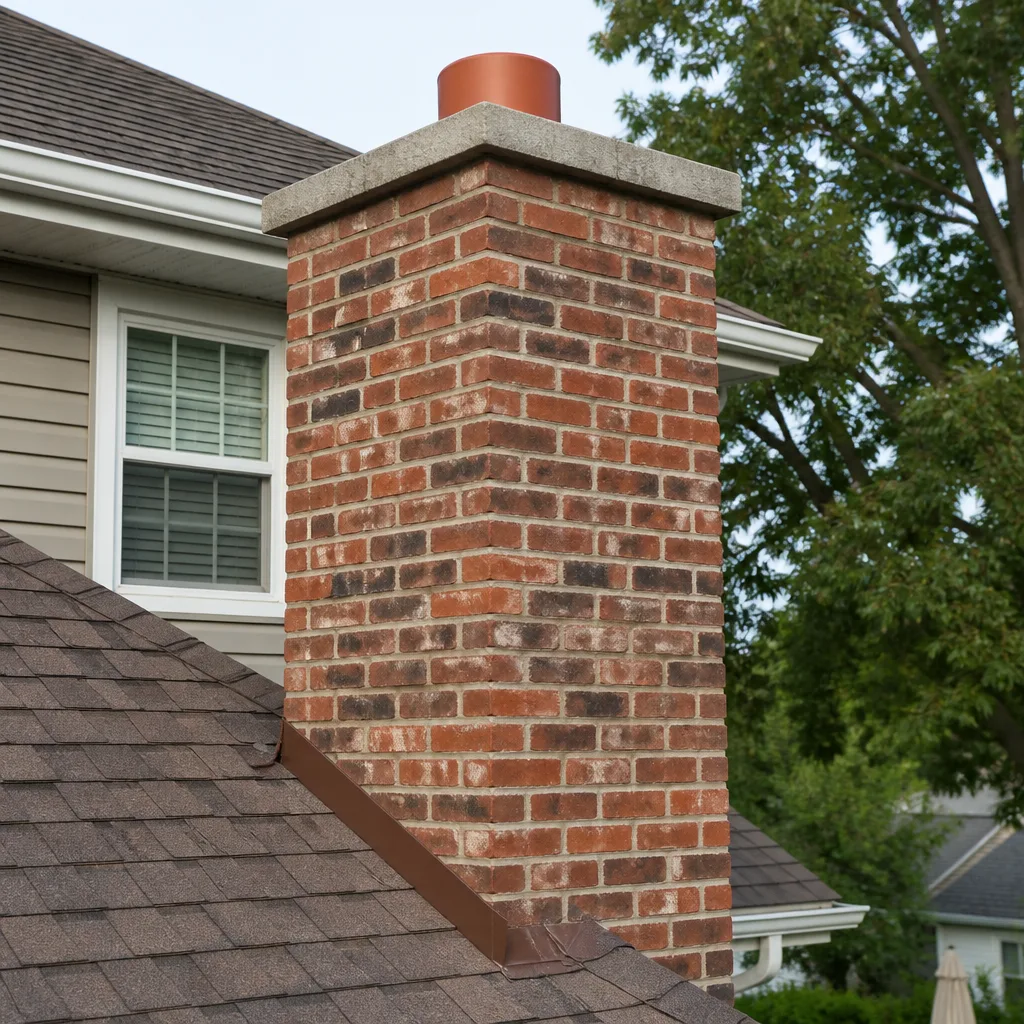 Masonry repair
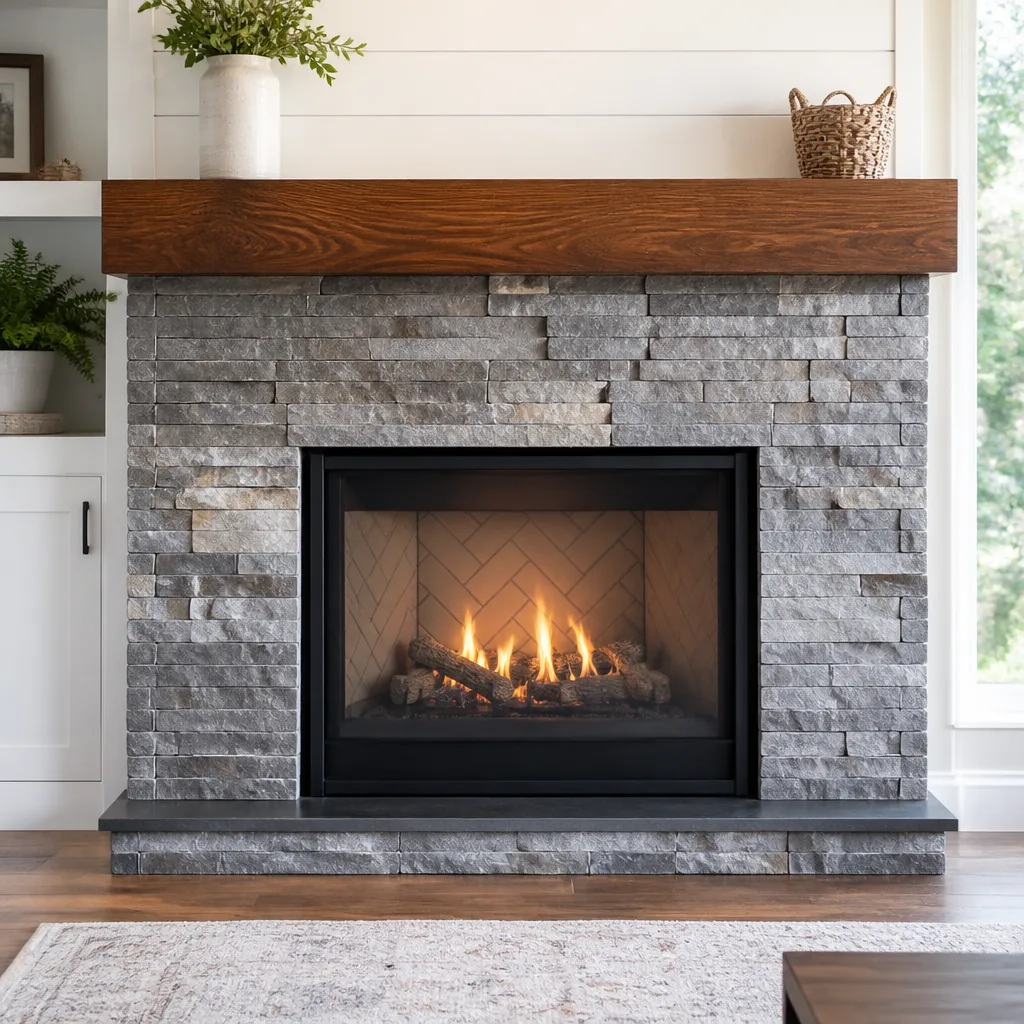 Gas fireplace service
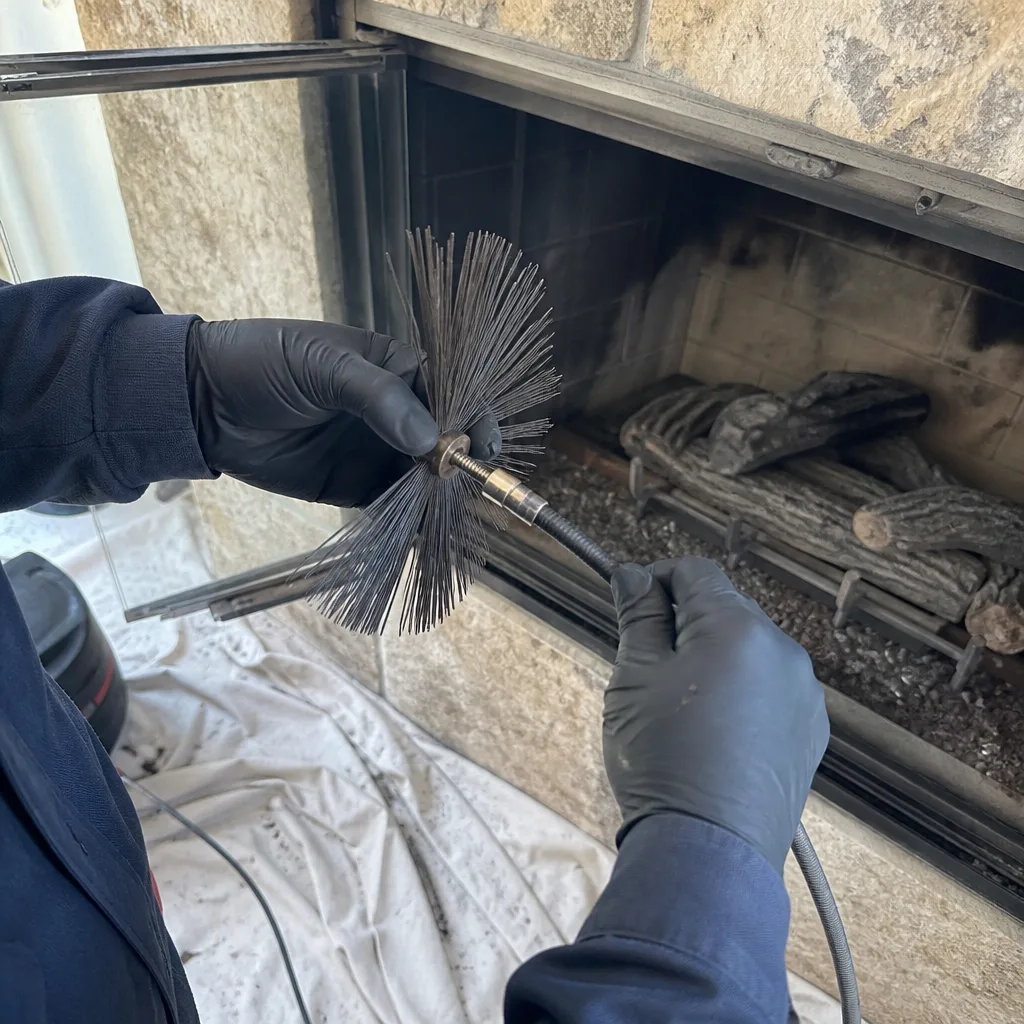
Level 1 sweep and inspection to the NFPA 211 annual standard - flue, crown, cap, and flashing checked and photographed
Chimney sweep logs do not sweep chimneys. They loosen some creosote - which then falls where a brush and vacuum still have to collect it.
Seasonal Chimney Cleaning Care for San Francisco: Year-Round Homeowner’s Guide
Every national chimney association tells you to sweep in late summer, right before heating season kicks in. But San Francisco doesn’t have a heating season the way Chicago or Boston does. Our rainy season runs October through April, and most of our fireplaces sit cold and unused for seven months of the year. That means late summer, when the flue is dry and the weather is calm, is actually the lowest-risk time to schedule chimney work in San Francisco. If you follow the national calendar here, you’ll clean at the safest possible moment and skip the season when your chimney actually takes the most damage. This guide rebuilds the chimney-care calendar around San Francisco weather, so you’re working on the right thing at the right time.
Styles & brands we work with
Quick Answer
The best time to clean a chimney in San Francisco is October, just before the first fires of the season, because that’s when summer dust and debris are removed before use and any moisture issues from the previous rainy season are caught before they worsen. But San Francisco’s unique climate means the most important inspection happens in April or May, right after the rainy season ends, when water damage is fresh and easiest to fix. A standard chimney sweep in San Francisco typically runs $189 – $329 before any repairs, depending on flue condition and access.
Table of Contents
- Why the National Chimney Calendar Fails San Francisco
- The San Francisco Seasonal Rhythm: Month by Month
- Moisture Damage: What a Wet SF Winter Does Inside Your Flue
- Summer Tasks: Protecting Against the Coming Rainy Season
- The October Window: The Single Best Time to Clean and Inspect
- Winter Dormancy: Why Your Unused Fireplace Still Needs Attention
- Adjusting the Schedule for Gas Fireplace Inserts
- Common Mistakes to Avoid
- When to Call a Professional
- Frequently Asked Questions
- The Bottom Line
Why the National Chimney Calendar Fails San Francisco
Chimney care advice written for the national audience assumes a cold winter, a hard freeze, and a furnace or fireplace running from November through March. That’s not San Francisco. Our winters are mild and wet, not cold and dry. The average winter temperature here hovers in the mid-50s, and most wood-burning fireplaces in the city go months without a single fire. The problem isn’t creosote buildup from heavy use. It’s moisture intrusion, condensation, rusted dampers, and animals moving into a flue that never gets hot enough to discourage them.
Creosote, the tar-like residue that causes chimney fires, accumulates when wood burns incompletely at low temperatures. San Francisco homeowners who burn occasional fires in a damp climate often create exactly the conditions creosote loves: low-temperature fires, unseasoned wood, and long gaps between burns that let deposits harden. So the risk profile is different too. We’re not usually looking at a thick, tarry glaze like you’d find in a Minnesota cabin chimney. We’re more often dealing with thin, crusty deposits that harden to a difficult-to-remove stage after sitting through a humid spring.
The national calendar also assumes a freeze-thaw cycle that San Francisco rarely experiences. In places with hard freezes, masonry cracks widen every winter, and caulking fails from ice expansion. Here, the primary seasonal stress is rain saturation followed by drying, which creates a slower but equally real expansion and contraction cycle. Crown cracks that would take five winters to develop in Denver can develop in two wet seasons here, simply because the masonry never gets a truly dry spell.
When you apply the national schedule to San Francisco, you sweep in September and ignore the chimney until next September. That leaves the flue unexamined through the exact months when rain is doing the most damage. By the time you look again, a minor crown crack has become a major water intrusion problem. Our recommendation, based on what we’ve seen across thousands of San Francisco flues since 2002, is to flip the emphasis: inspect after the rains, clean before the fires.
The San Francisco Seasonal Rhythm: Month by Month
Think of chimney care in San Francisco as a two-peak cycle rather than a single annual event. The first peak comes in late spring, when the rainy season ends and the full extent of winter moisture damage becomes visible. The second peak comes in October, when the first fires of the season are about to be lit and summer dust plus any missed spring issues need to be cleared. Here’s what each stretch of the year actually demands:
November through March: The Wet Season
- What’s happening: Rain saturates chimney crowns, mortar joints, and flashing. Water finds its way into the flue through any gap, and condensation forms inside the cool masonry. Fireplaces that are used during these months create additional moisture as combustion vapor hits cold flue walls.
- What you should do: If you use the fireplace, keep an eye out for signs of water: damp smells, staining on the ceiling near the chimney, or a musty odor when you open the damper. If you notice water dripping into the firebox during heavy rain, that’s a flashing or crown issue that should be addressed before the next storm, not deferred to summer.
- What to postpone: Full sweeping can wait. The flue is wet, any creosote present is softened, and a sweep performed in February is perfectly functional but less efficient than one done in dry fall conditions.
April through May: The Inspection Window
This is the most overlooked – and arguably the most important – chimney maintenance period in San Francisco. The rains have stopped, the masonry is starting to dry, and whatever damage the wet season inflicted is at its most visible. Hairline cracks in the crown that were invisible in October show themselves in April as water staining or spalling brick. Damaged flashing that let a trickle of water into the attic during February storms reveals itself as discolored ceiling patches. A thorough chimney inspection San Francisco homeowners schedule during April or May turns up problems at their earliest, cheapest stage.
June through September: The Dry Protection Window
San Francisco summers are dry, foggy, and mild – which makes them the perfect time for exterior chimney work. Crown sealing, cap replacement, flashing repair, and masonry repointing all require several consecutive dry days for proper curing. Summer’s marine layer burns off by midday, and the long daylight hours give contractors a full workday of appropriate conditions. If you schedule repairs in January, you’ll fight the rain for weeks. If you schedule them in July, they get done in a day or two.
October: The Cleaning Window
October is the sweet spot for a standard Chimney Sweep in San Francisco. The summer dust has settled, any repairs made during the dry season have cured, and the flue is as dry as it will ever be. When you light the first fire of the season, you want to know the flue is clear of bird nests, squirrel debris, and whatever accumulated since the last cleaning. An October sweep clears all of that before ignition.
Moisture Damage: What a Wet SF Winter Does Inside Your Flue
If there’s one thing San Francisco chimneys suffer from more than any other, it’s water. A flue that sits dormant through a wet SF winter accumulates moisture in ways that most national guides don’t address. Understanding what’s happening inside that dark, cold flue during the rainy months explains why the spring inspection matters so much.
Condensation and Draft Reversal
When warm interior air meets cold flue walls, moisture condenses. In an active chimney, this condensation gets dried out by the next fire. In a dormant San Francisco chimney, condensation from household air – showers, cooking, even breathing – can linger for months. This persistent dampness soaks into the flue liner and the surrounding masonry. Over time, it degrades the mortar joints between flue tiles and creates the musty smell many homeowners notice when they open the damper in October.
Draft reversal makes this worse. Cold air sinks. During a San Francisco winter, the air outside is often colder than the air inside. That cold air drops down the flue, carrying moisture from fog and rain directly into the firebox. If your damper doesn’t seal tightly, you’ll feel a cold draft from the fireplace on foggy nights. You may also notice a smoky or musty smell that seems to come and go. That’s not your imagination – it’s the stack effect, and it’s a completely predictable consequence of San Francisco’s climate.
Animal Invaders
Unused chimneys are invitations. Birds build nests on damper ledges. Squirrels and raccoons find uncapped flues to be ideal den sites during the cold, wet months. We’ve removed nests from San Francisco chimneys in Outer Richmond and Noe Valley that filled the entire flue opening. What many homeowners don’t realize is that a single bird’s nest doesn’t just block the flue – it creates a fire hazard when the first fire of the season ignites the dry twigs and grass. A properly installed cap with a mesh screen prevents almost all animal intrusion, but caps themselves need inspection after wet winters, because rusting or loosened fittings let animals back in.
Rust on Dampers and Liners
San Francisco’s damp, salty air accelerates rust on metal components. Dampers – especially the throat dampers found in older homes across the city – rust in place when moisture sits on them for months. A damper that won’t fully open or close is annoying on its own, but the bigger concern is rusted flue liners. Metal liners, particularly older stainless-steel models, corrode from the outside in when masonry moisture is trapped against them. If your home was built before 1990 and has never had a liner replacement, the post-rainy-season inspection is the moment to check for liner breakdown.
Summer Tasks: Protecting Against the Coming Rainy Season
Most chimney guides describe summer maintenance as optional or cosmetic. In San Francisco, summer is the critical prep window for the rain that starts in a few months. Every dry July or August day spent on exterior chimney protection is an investment in avoiding water damage during the wet season that follows.
Crown Sealing
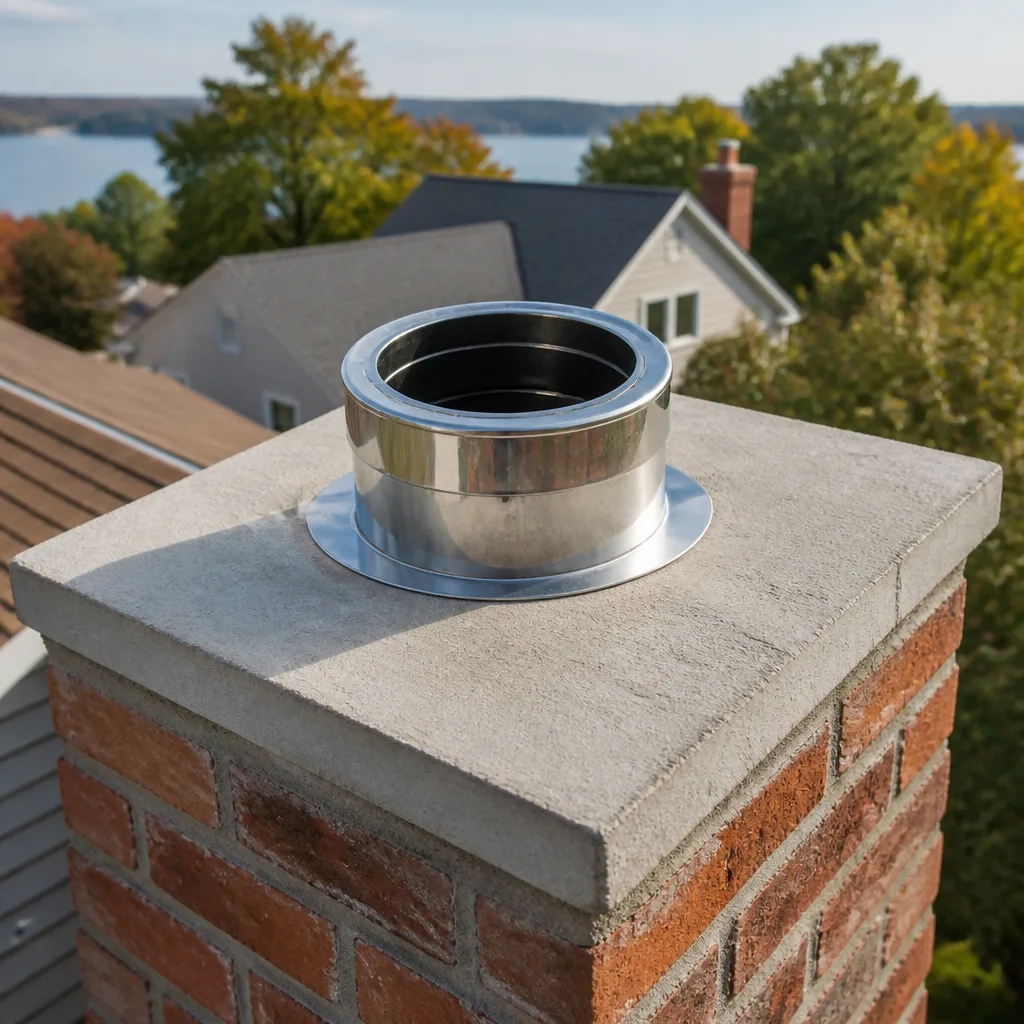
The crown is the concrete slab that sits on top of your chimney, shedding rain away from the flue. Over time, crowns develop hairline cracks from thermal expansion and contraction. In San Francisco’s climate, those cracks let water into the chimney structure during every winter storm. Sealing a cracked crown in July or August means the sealant has weeks of dry weather to cure before the first October rain. The materials we use for crown sealing – professional-grade options like Gelco sealants – bond best in dry, moderate temperatures, which describes a typical San Francisco summer morning perfectly.
Cap and Screen Inspection
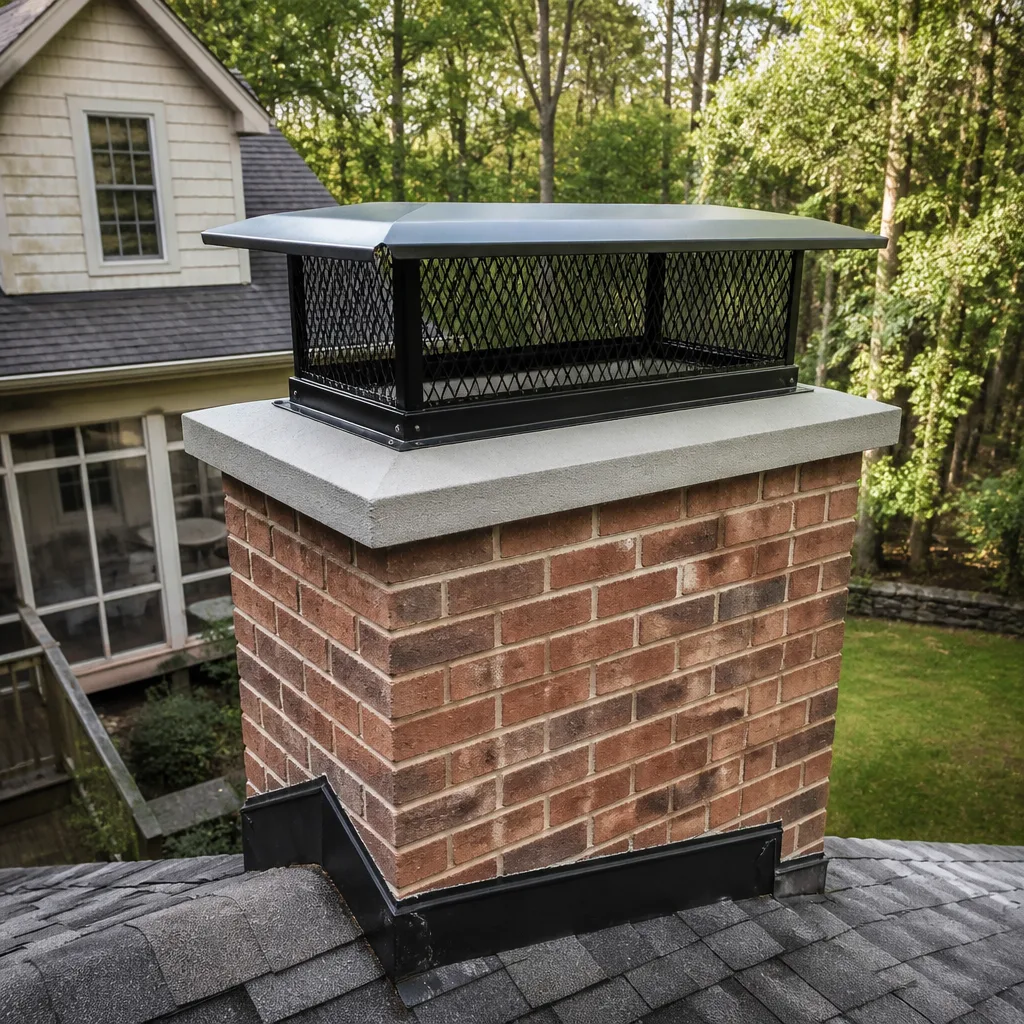
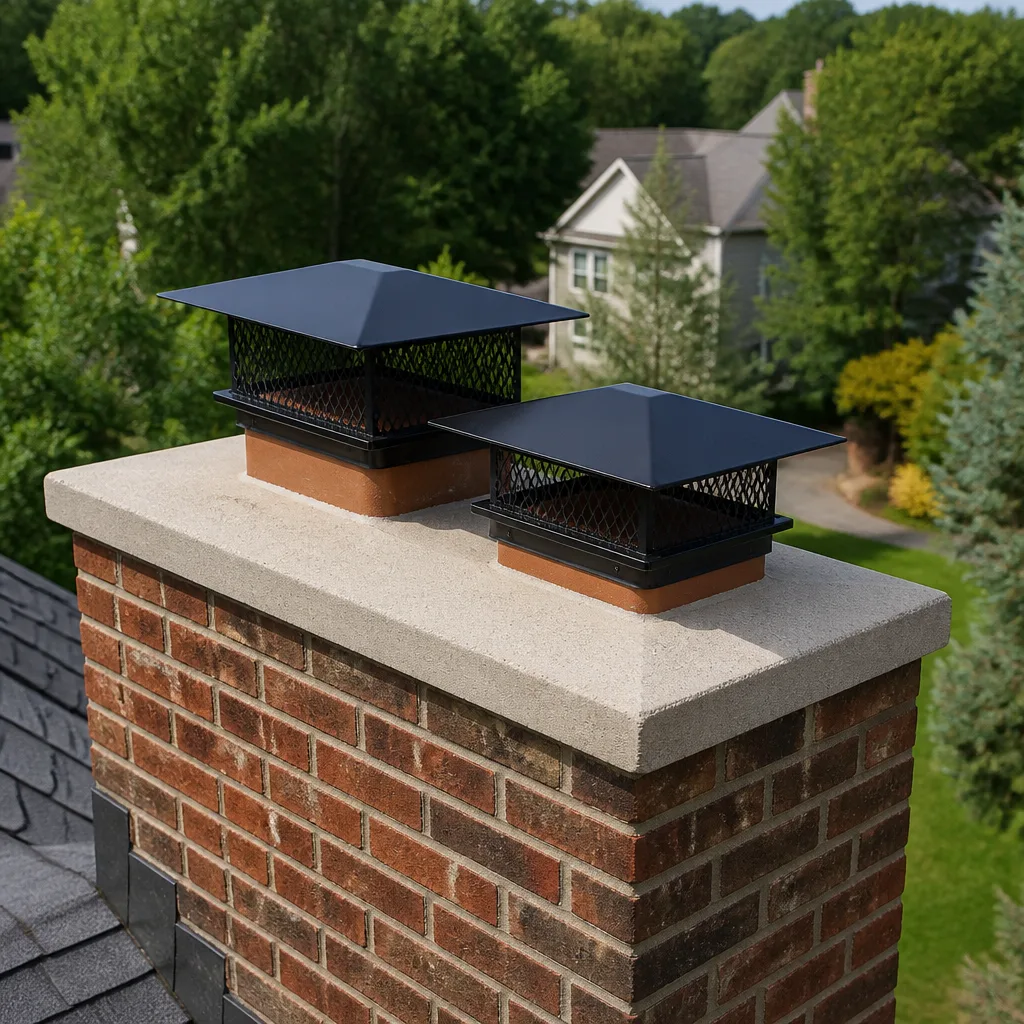
A chimney cap does double duty in San Francisco. It keeps rain out of the flue, and it keeps animals from turning your unused chimney into a den. Both functions matter more here than in most climates. Summer is the time to check that the cap is firmly attached, that the mesh screen is intact, and that rust hasn’t eaten through any components. A damaged cap that goes unnoticed through the winter lets rain, birds, and squirrels into the flue for months before anyone notices.
Damper Lubrication
Dampers that sat motionless through the spring and early summer often need attention before the first fall fire. A quick inspection and lubrication in September ensures the damper opens fully for proper ventilation and closes tightly to prevent heat loss and cold drafts. If the damper is rusted or damaged, fall is the time to replace it, before the rainy season sets in and makes replacement more difficult.
Masonry Repointing
San Francisco’s older homes – the Victorians and Edwardians that define neighborhoods like Haight-Ashbury and the Mission – often have brick chimneys that predate modern construction standards. Mortar joints deteriorate over decades, and when they do, water penetrates the chimney structure. Repointing, the process of removing deteriorated mortar and replacing it with fresh material, is best performed in summer’s dry conditions. The new mortar needs time to cure before it faces a winter of rain.
The October Window: The Single Best Time to Clean and Inspect
If you only schedule one chimney service per year in San Francisco, make it an October sweep with a basic inspection. Here’s why the timing works so well:
- Summer dust is gone. The dry season deposits dust, pollen, and fine debris in the flue. An October sweep removes all of it before you light the first fire.
- The flue is dry. Months of dry weather mean creosote, if present, has hardened to a removable state. Sweeping a dry flue is measurably more effective than sweeping a damp one.
- Spring repairs have cured. Any crown sealing, repointing, or cap work done during the summer has fully set, and the flue is ready for a clean bill of health.
- You catch problems before the first fire. A chimney inspection in October turns up blockages, liner damage, or animal nests before you light a fire that could force smoke back into your home or ignite accumulated debris.
- You’re ahead of the rain. Whatever the inspection finds – a small crown crack, a loose cap – can still be repaired in October’s dry weeks before the rainy season’s first major storms arrive.
The cost of an October combination sweep and inspection in San Francisco typically runs $189 – $329, depending on flue height, access difficulty, and whether the chimney has been recently maintained. For a deeper dive into pricing factors, see our Chimney Cleaning Cost Breakdown: The San Francisco Homeowner’s Reference for 2026. That’s the right benchmark for a standard job. If you’re quoted significantly less, ask what’s included. If you’re quoted significantly more, ask why. We always provide a written price before any work starts, so the number you hear on the phone is the number you pay when the job’s done.
Winter Dormancy: Why Your Unused Fireplace Still Needs Attention
Here’s a San Francisco-specific truth that surprises a lot of homeowners: a fireplace that never gets used can develop problems just as serious as one that burns every night. The dormant flue is more vulnerable to moisture, animals, and draft reversal than an active one, because there’s no fire to dry things out, no heat to discourage nesting, and no airflow to clear condensation.
If you know you won’t use the fireplace all winter – and many San Francisco homeowners don’t – consider these steps before the rainy season starts:
- Have the chimney swept and inspected anyway. A clean, dry flue is less inviting to animals and less prone to moisture-related liner damage. Even if you never light a fire, the inspection catches structural issues that would otherwise go unnoticed for another full year.
- Close the damper tightly. A well-seated damper reduces the stack effect that pulls cold, damp air down the flue and into your home. If your damper doesn’t seal well, consider a top-sealing damper, which mounts at the top of the flue and provides a much better seal than traditional throat dampers.
- Confirm the cap is secure. The cap is your dormant chimney’s primary defense against rain and animals. A missing or damaged cap means the flue is open to the sky and everything that falls from it.
- Check for moisture signs after major storms. If a big atmospheric river storm passes through San Francisco, take a quick look at the ceiling near your chimney. Water staining, peeling paint, or a damp smell after a heavy rain event are all signs that water is getting where it shouldn’t.
We had a customer in Pacific Heights a few years back who never used her fireplace. She skipped chimney maintenance for four years because, in her words, “nothing happens to a chimney that isn’t burning.” When we finally inspected it, there was a raccoon nest in the flue, a rusted damper, and enough water damage to require a partial liner replacement. The repairs cost far more than four years of basic sweeps would have. San Francisco’s climate doesn’t take the winter off, and neither should your chimney care.
Adjusting the Schedule for Gas Fireplace Inserts
Gas fireplace inserts and gas log sets have a different relationship with San Francisco’s seasons than wood-burning fireplaces. The National Fire Protection Association recommends that any vented gas fireplace be inspected annually, regardless of how often it’s used, because gas combustion creates its own set of issues: soot accumulation, vent blockage, and carbon monoxide risk if the unit isn’t venting properly.
For gas fireplace owners in San Francisco, the ideal annual service window shifts slightly. Since gas fireplaces don’t produce creosote, the cleaning component is less about sweeping and more about checking the venting system, cleaning the burner and logs, and verifying that the unit is burning with a clean, blue flame rather than a yellow, sooty one. The fall timing still matters in one important way: you want the unit inspected before you start using it regularly, but gas fireplaces in San Francisco often get used year-round, because they don’t produce the same amount of heat as wood-burning units. If you’re running a gas insert in July for ambiance, you still need an annual inspection – and fall is still the sensible time to do it.
We provide Gas Fireplace Repair in San Francisco that covers the full range of gas insert and gas log set issues. One thing we tell every gas fireplace owner: if you smell gas or suspect a carbon monoxide issue, don’t wait for an annual inspection. That’s an immediate call to a professional, and a live person answers our phone around the clock precisely because gas issues can’t wait for business hours.
Common Mistakes to Avoid
- Following the national late-summer calendar. Late summer is low-risk for San Francisco chimneys, not high-risk. Sweep in October instead, and use the summer for exterior repairs that need dry weather to cure.
- Skipping the post-rainy-season inspection. April and May are when water damage is visible and cheap to fix. Skipping that season means a small crown crack becomes a structural problem by the following winter.
- Assuming an unused fireplace needs no maintenance. Dormant flues face moisture, animal, and rust problems that active flues don’t. The unused chimney is not the safe chimney – it’s often the more vulnerable one.
- Burning unseasoned wood in a San Francisco winter. Wet wood burns at low temperatures and produces creosote rapidly. With our damp, cool winters, seasoned wood (dried for at least six months) is essential for any wood-burning fireplace.
- Ignoring a cold draft or musty smell from the fireplace. These aren’t quirks. They’re signs that cold, damp air is moving through your flue and bringing moisture with it. If you notice these symptoms, schedule a chimney inspection in San Francisco before the problem worsens.
- Deferring small repairs to “next year.” A small crown crack costs a few hundred dollars to seal. The same crack left through another wet season becomes a water damage problem that costs thousands to remediate. San Francisco’s rainy season is unforgiving to deferred maintenance.
- Replacing damaged chimney components with improvised parts. A flue liner isn’t a place for hardware-store substitutes. We install professional trade brands like DuraFlex and Olympia Chimney because those are the systems that hold up to San Francisco’s wet, salty air. Whatever your chimney needs, the parts should be chosen for the climate, not for convenience.
When to Call a Professional
There’s a difference between the routine seasonal checks you can do yourself and the inspections that require trained eyes and proper tools. Call a professional if you see water staining on ceilings or walls near the chimney, if you smell smoke or musty odors when the fireplace hasn’t been used, if you hear animal sounds coming from the flue, or if you haven’t had an inspection in more than two years. Anything involving gas fireplaces, flue liners, or structural masonry should always be handled by a qualified chimney technician – the risks of carbon monoxide exposure or chimney fire are too serious for trial-and-error repairs. Alcott Chimney San Francisco home service area covers the full city, from the Sunset to Bayview. If you’re scheduling seasonal chimney care, we offer free estimates in San Francisco – call (831) 534-3789.
Frequently Asked Questions
A standard chimney sweep in San Francisco typically costs $189 – $329. The exact price depends on flue height, roof access, and whether the chimney has been cleaned recently. We always provide a written price before any work starts, so the number you hear on the phone is the number you pay. Call (831) 534-3789 for an exact quote based on your chimney – estimates are free.
The National Fire Protection Association recommends a chimney inspection at least once per year, and sweeping whenever creosote buildup exceeds 1/8 inch. Before you schedule, make sure you understand Chimney Cleaning Permits, Codes & Inspections in CA: What You Need to Know. For San Francisco homeowners who use a wood-burning fireplace occasionally, a sweep every 1-2 years is usually sufficient, but the annual inspection should happen regardless of use, because moisture and animal issues can affect dormant chimneys just as severely as active ones.
Maybe, but you should never take that recommendation on faith. A liner replacement is a significant expense, and you deserve to see the evidence before you spend the money. If a chimney company tells you a new liner is needed, ask to see the camera footage. We photograph and record every chimney inspection we perform and share the images with you, so you can see exactly what we’re seeing. If the liner is cracked, perforated, or detached from the flue tiles, the problem is real. If it’s dirty but structurally sound, a sweep may be all you need. Call (831) 534-3789 to schedule an inspection and see the evidence for yourself.
In San Francisco, the most common consequence of skipping chimney maintenance is water damage. Cracks in the crown and mortar joints expand, rain and fog penetrate the masonry, and the flue liner deteriorates. Animals may move in, creating blockages and fire hazards. Creosote from occasional fires hardens and becomes more difficult and expensive to remove. In active fireplaces, accumulated creosote creates a chimney fire risk. In dormant fireplaces, the damage is slower but just as real – and often discovered only when the repair is already expensive.
Yes. The post-rainy-season inspection is arguably more important for unused fireplaces than for active ones. A fireplace that burns regularly dries out between uses, and the heat discourages animal nesting. A dormant fireplace sits in damp, cool conditions for months, creating the exact environment where moisture damage and animal intrusion develop. The April-May inspection catches these issues early, before a full year passes and the damage compounds.
Look at it from ground level with binoculars if you can. A cap that’s rusted, tilted, missing sections of mesh, or no longer sits level on the flue is due for replacement. We typically recommend replacing a cap if any mesh openings are large enough for a bird to enter, because that’s exactly what will happen. San Francisco’s coastal air accelerates rust, so caps on homes near the ocean often need replacement every 5-8 years. Our Chimney Inspection in San Francisco service includes a cap check as standard.
The Bottom Line
San Francisco’s chimney calendar runs on its own clock, and homeowners who follow it save money and avoid the damage that comes from following generic national advice. Inspect after the rains in April or May, use the dry summer months for exterior repairs and crown sealing, and sweep in October before the first fires. If you have a gas fireplace, keep the annual inspection but know that your risks are different from a wood-burning system. Whatever your situation, the most valuable habit is paying attention to the signs: water stains, damp smells, cold drafts, animal sounds. Those are the early warnings that a small, affordable fix is available – before it becomes a major, expensive repair. Learn to spot trouble early with our Chimney Cleaning Warning Signs: A San Francisco Homeowner’s Reference Guide.
Call (831) 534-3789 for a free estimate, and we’ll help you build a seasonal chimney care schedule that fits San Francisco’s real weather, not the national average. For more guides & resources, explore our blog.
Written by Ruben Castellano, Owner at Alcott Chimney San Francisco, serving San Francisco since 2002.
See the difference
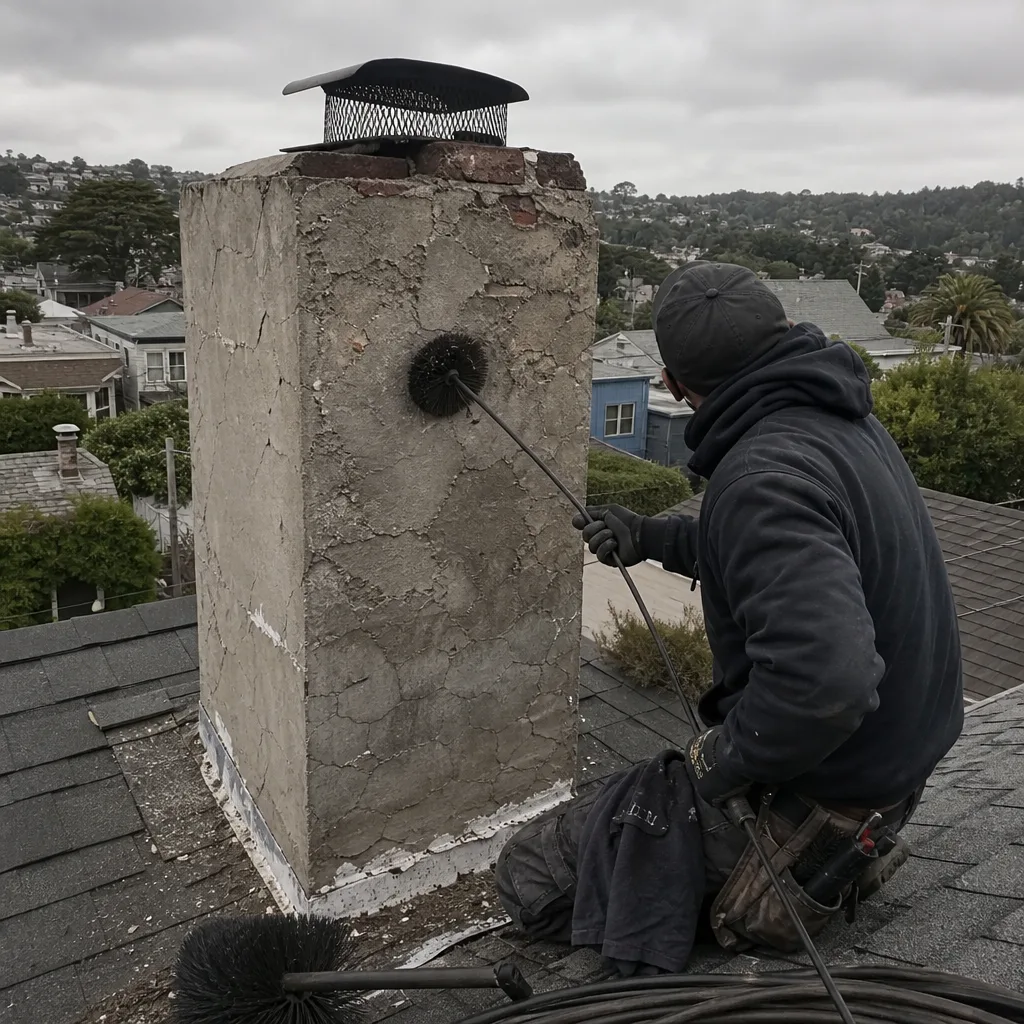 Before
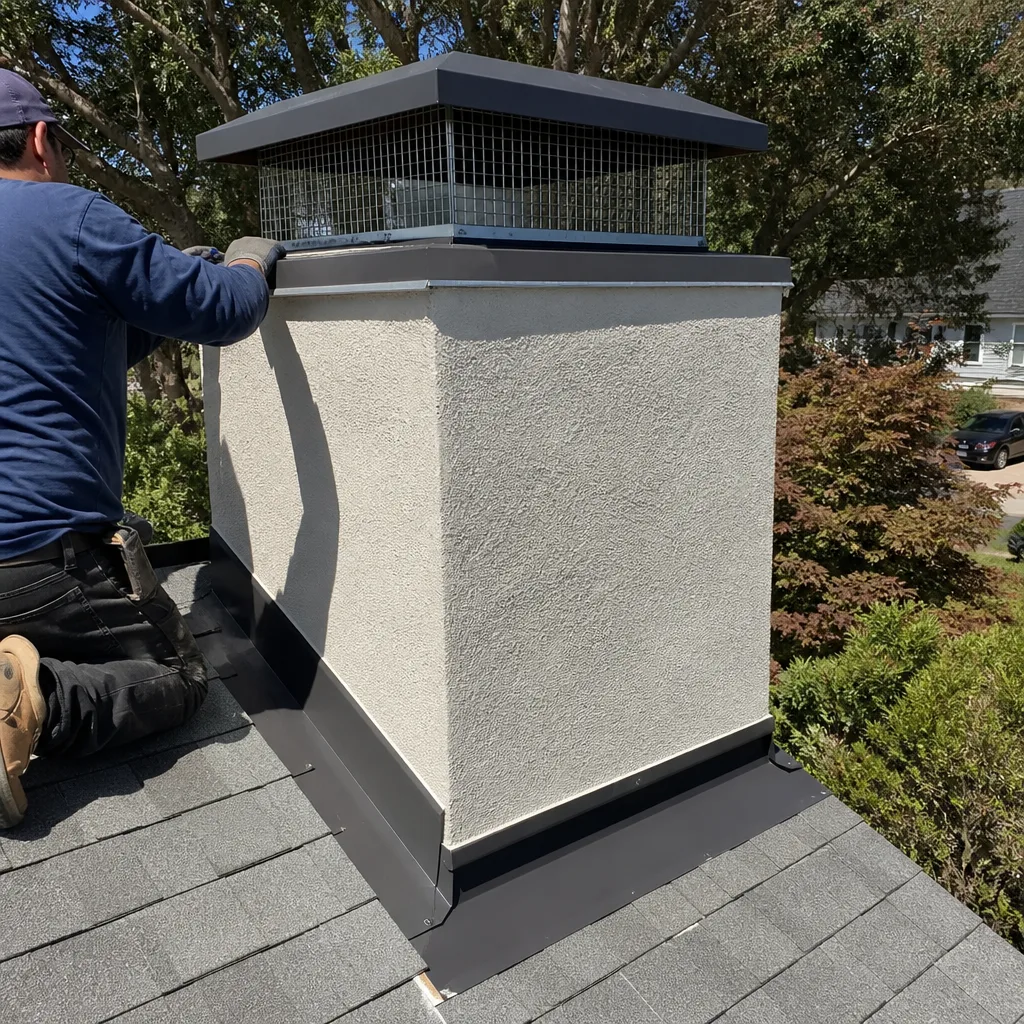 After
After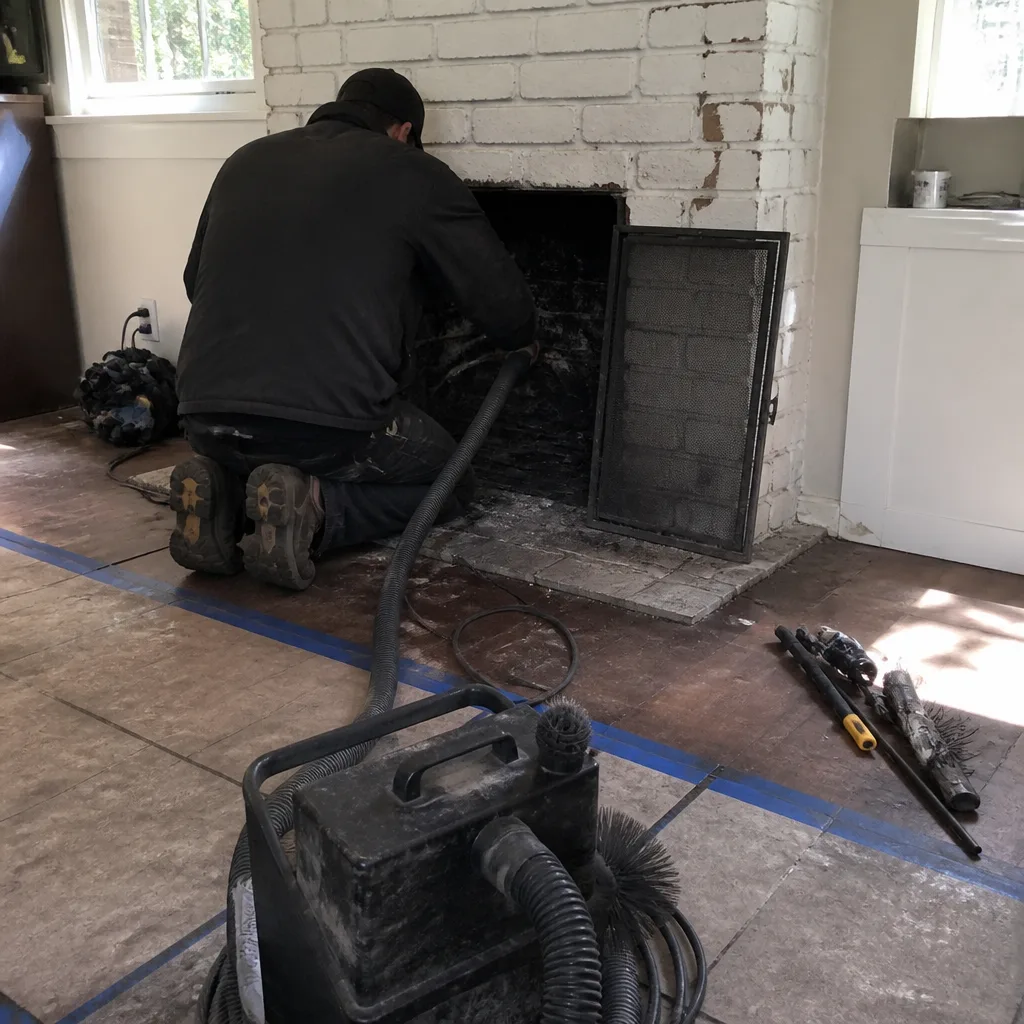 Before
 After
After Before
 After
After